

What is the Healing Power of Nature for Mental and Physical Health?
Connecting with nature is far more than a pleasant pastime; it is a scientifically proven, vital component of holistic health. Spending time in natural environments—whether through forest bathing or simply walking in a local park—has profound effects that help reduce stress, improve mood, enhance cognitive function, and even boost the immune system. Nature acts as a powerful reset button for both our minds and bodies.
Why Does Time Outdoors Benefit Our Bodies?
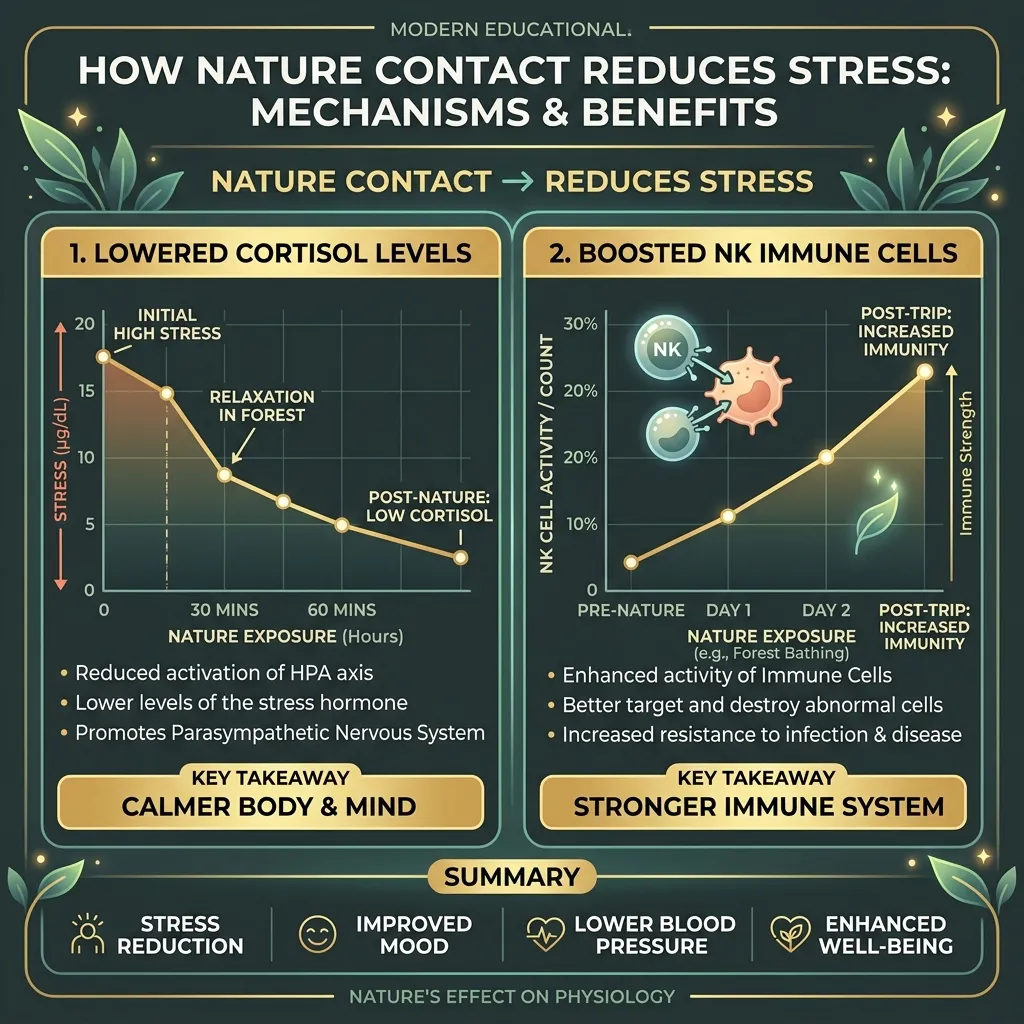
The benefits of nature are rooted in biology and chemistry. When we are stressed or overwhelmed by urban life, our body releases cortisol. Natural environments help regulate this stress response through several mechanisms:
- Lowering Stress Hormones: Exposure to natural sounds (like running water) and sights has been shown to significantly lower circulating levels of cortisol, promoting a state of deep relaxation.
- Immune Boost via Phytoncides: Trees release airborne chemicals called phytoncides. Research indicates that inhaling these compounds increases the activity of Natural Killer (NK) cells—a type of white blood cell crucial for fighting off infections and cancer.
- Cardiovascular Health: The calming effect of nature helps regulate the body's stress response, which in turn contributes to lower blood pressure levels.
How Does Nature Improve Our Mental Well-being?
Nature provides a unique form of mental rest that is difficult to replicate indoors. This restorative process allows our brains to recharge and improve focus.
- Mood Regulation: The sights, sounds, and smells of nature stimulate the release of endorphins, natural mood boosters. Spending time in green spaces can help alleviate symptoms associated with anxiety and mild depression.
- Cognitive Restoration: Nature helps restore our attention capacity. When we are overwhelmed by urban stimuli, our brains suffer from "directed attention fatigue." Natural environments allow us to engage in effortless soft fascination (like watching leaves move), which allows the prefrontal cortex—the area responsible for focus and memory—to rest and recharge.
- Circadian Rhythm Reset: Exposure to natural sunlight helps regulate our internal body clock (circadian rhythm). This regulation is critical not only for managing energy levels but also for achieving deep, restorative sleep at night.
What Is Forest Bathing (Shinrin-Yoku)?
Forest bathing is a Japanese practice that involves mindfully immersing oneself in the atmosphere of the forest. It is not strenuous hiking; rather, it is an intentional, sensory experience designed to soothe the mind, body, and spirit. The goal is simply to be present with nature.
How Can I Practice Shinrin-Yoku?
To maximize the benefits, approach the practice slowly and deliberately:
- Disconnect: Leave all technology behind. This time is dedicated solely to your senses and the environment.
- Slow Down: Walk at a meditative pace. Focus on the rhythm of your steps and your breathing.
- Engage All Senses: Actively notice what you see, hear, smell, and feel.
- Smell: Take deep breaths, inhaling the earthy scent of damp soil and pine needles.
- Listen: Focus on ambient sounds—the rustling leaves, the chirping birds, or the flow of water.
- Touch: Feel the texture of tree bark, cool moss, or soft earth beneath your feet.
- Reflect: Take moments to simply sit and observe. Allow yourself to feel the peace and quiet without judgment.
How Can I Incorporate Nature into My Busy Urban Life?
You do not need to travel to a pristine wilderness to reap nature's rewards. Small, consistent doses of green space are highly effective for maintaining well-being.
🌿 Creating Your Own Green Oasis
- Visit Local Parks: Schedule regular walks in local parks or botanical gardens. Make it a non-negotiable part of your routine.
- Indoor Gardening: Bring nature inside by growing herbs, succulents, or simply placing houseplants around your home and office.
- Mindful Commuting: If possible, walk or bike to work instead of driving. Pay attention to the architecture, the trees, and the people around you.
☀️ Simple Daily Nature Practices
- Morning Sunlight Ritual: Start your day by opening curtains or stepping outside for just five minutes. This helps set your circadian rhythm immediately.
- Fresh Air Breaks: During long work sessions, take a mandatory break to step outside and breathe deeply. Focus on the quality of the air—it’s different from stale indoor air.
- Mindful Walking: When walking, practice "nature noticing." Instead of thinking about your destination, focus entirely on what you see: the pattern of bark, the color of a flower, or the movement of clouds.
- Grounding (Earthing): Walk barefoot on grass, sand, or soil when possible. This direct physical connection to the earth is believed by some practitioners to help balance the body's natural electrical charge.

What Role Do Sunlight and Fresh Air Play?
Sunlight and fresh air are not just pleasant additions; they are biological necessities that regulate core bodily functions.
🌞 The Essential Power of Sunlight
- Vitamin D Synthesis: Sunlight is the primary natural source for Vitamin D, which is critical for bone health, immune function, and mood regulation. Deficiency can contribute to fatigue and poor immunity.
- Mood Stabilization: Exposure helps regulate serotonin levels. Consistent sunlight exposure is key in preventing Seasonal Affective Disorder (SAD).
- Circadian Timing: Morning light signals to your brain that it's time to wake up, helping you feel alert during the day and naturally preparing your body for sleep at night.
⚠️ Safety Tip: While sunlight is vital, always practice sun safety. Use sunscreen (SPF 30+), wear protective clothing, and limit peak exposure between 10 am and 4 pm.
🌬️ The Benefits of Fresh Air
- Respiratory Health: Fresh air contains higher levels of oxygen compared to stale indoor air, which supports optimal lung function and reduces the risk of respiratory infections.
- Increased Energy & Focus: Oxygen is essential for cellular energy production in the brain. Deep breaths of fresh air improve blood oxygenation, leading to reduced fatigue and enhanced concentration.
- Detoxification: Breathing deeply helps the body process and expel toxins through the respiratory system.
Summary: Making Nature a Priority
Nature's healing power is undeniable, offering scientifically supported benefits for every aspect of human health—from reducing chronic stress to optimizing sleep cycles. By integrating these practices into your life, you are not just taking a walk; you are actively investing in your physical and mental resilience.
Start small: Choose one practice this week—whether it's spending 10 minutes on your balcony with fresh air or committing to a mindful walk in a local park. Consistency is key. By prioritizing connection with the natural world, you unlock a profound source of healing that is always available right outside your door.
Sources & Further Reading:
- National Institutes of Health (NIH) - Vitamin D
- Mayo Clinic - Seasonal Affective Disorder (SAD)
- Frontiers in Psychology - The Cognitive Benefits of Interacting With Nature
- Environmental Health Perspectives - Shinrin-Yoku (Forest Bathing)
Frequently Asked Questions
Yes. Numerous studies have demonstrated that exposure to natural environments lowers cortisol levels, improves mood, and boosts immune function.
No. Even small doses of green space—like local parks or potted plants—can provide significant mental health benefits.