What Are the Physical and Mental Benefits of Outdoor Rock Climbing?
Outdoor rock climbing is a powerful blend of athletic challenge and mental focus, offering far more than just a workout. It provides a full-body conditioning experience that builds strength, endurance, flexibility, and balance simultaneously. Mentally, it acts as a profound stress reliever, demanding intense problem-solving skills and fostering deep resilience—the ability to overcome setbacks is key to reaching the summit.
How Does Climbing Condition Your Body?
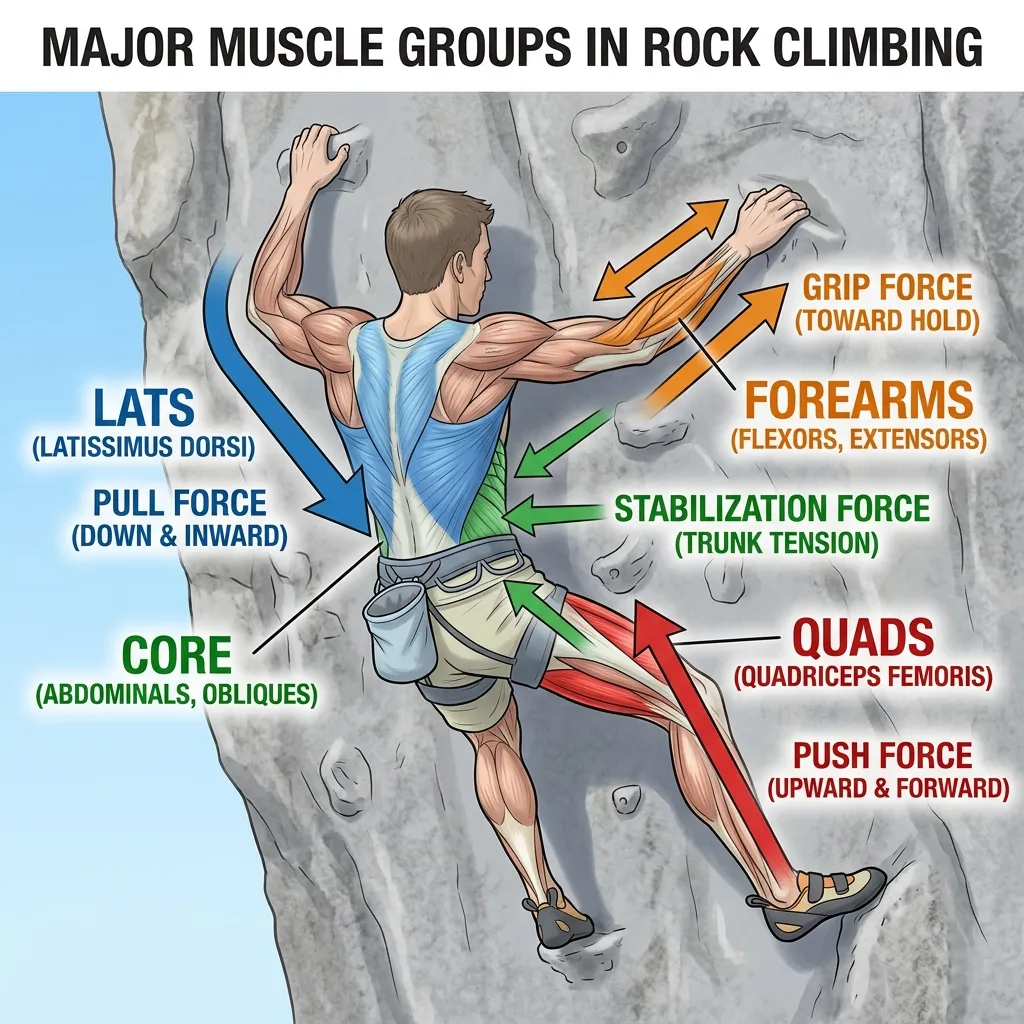
Climbing engages nearly every major muscle group in a dynamic way. It requires coordinated effort from your core, legs, arms, and fingers, making it an unparalleled total-body workout.
Building Core Strength and Endurance
The constant need for stability means that your core muscles (abdominals and obliques) are engaged throughout the entire climb. This deep stabilization is crucial for transferring power efficiently from your powerful leg pushes to your upper body grips. Furthermore, sustained climbing improves both:
- Muscular Endurance: The ability of your specific muscle groups (forearms, back, quads) to contract repeatedly without rapid fatigue.
- Cardiovascular Health: Longer routes elevate your heart rate, improving overall stamina and lung capacity.
Developing Strength Beyond the Arms
While forearms are visibly strong, climbing builds comprehensive strength:
- Leg Power: Your legs provide the primary driving force. Strong quadriceps and hamstrings allow you to push upwards efficiently, conserving energy in your arms.
- Grip Strength: Crimping small holds requires immense finger and hand endurance. This gradual build-up of grip strength is highly beneficial for overall hand health.
- Shoulder Stability: Reaching overhead or twisting the body strengthens the rotator cuff and shoulder stabilizers, improving joint resilience.
Improving Balance and Coordination
Climbing demands proprioception—your body's awareness of where it is in space. You must constantly adjust your weight distribution to maintain balance on tiny footholds. This continuous need for precise movement dramatically improves:
- Balance: Learning to shift your center of gravity while hanging or reaching.
- Coordination: Coordinating the timing between foot placement, hand grip, and body weight transfer.
Beyond Fitness: The Mental Edge of Climbing
The mental benefits often surpass the physical ones. Rock climbing is a form of physical meditation that forces you into the present moment.
- Problem-Solving Skills: Every route is a puzzle. You must analyze the rock face, identify the optimal sequence of holds (known as "reading the route"), and plan your movements strategically before committing to them.
- Resilience and Focus: When faced with a difficult section or a fall, you learn immediate self-correction and perseverance. Overcoming physical challenges builds profound mental resilience and confidence that translates into other areas of life.
- Stress Reduction: The intense focus required for climbing blocks out external stressors, allowing the mind to enter a state of "flow."
How Do I Start Climbing Safely? (Gear & Techniques)
Safety is non-negotiable in outdoor climbing. Before heading to a crag, proper training and equipment are essential.
Essential Gear Checklist
Investing in quality gear protects you and ensures a reliable experience. Always check that all components are inspected before use.
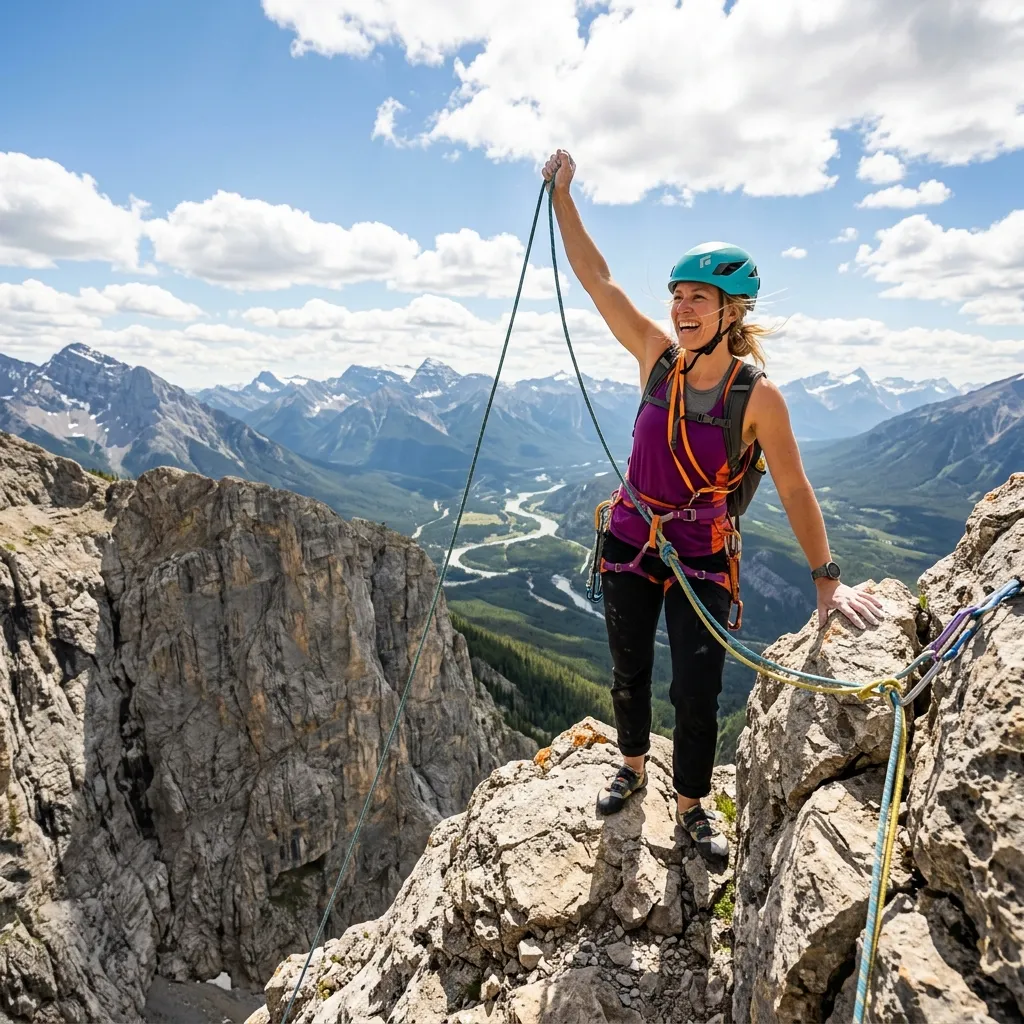
- Climbing Shoes: Must fit snugly but allow for toe movement. They provide the specialized grip needed for small holds.
- Harness: A secure, comfortable waist/thigh system designed to hold your body weight and connect you to the rope.
- Rope (Dynamic): This is crucial. Dynamic ropes are engineered to stretch under load, absorbing the impact energy of a fall and reducing shock force on the climber's body.
- Belay Device: A mechanical device used by the belayer to manage the slack and tension of the rope during climbing.
- Locking Carabiners & Quickdraws: Used to connect the rope system securely to the rock bolts or anchors. Always ensure carabiner gates are locked.
- Helmet: Essential protection against falling debris (rocks) from above.
Mastering Core Techniques
Learning proper technique conserves energy and reduces injury risk:
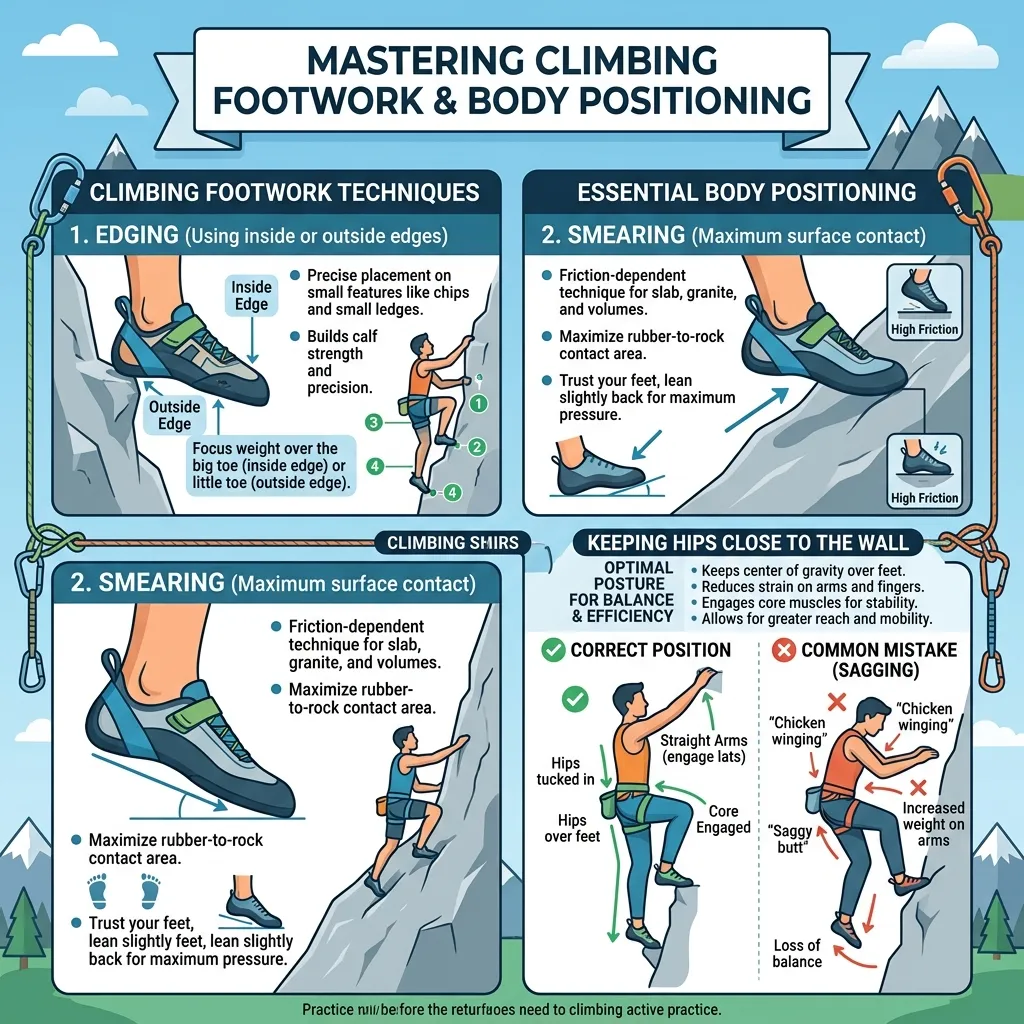
- Use Your Legs, Not Just Your Arms: Always look for footholds first. Pushing up with your legs is far more efficient than pulling solely with your arms.
- Maintain a Low Center of Gravity: Keep your hips close to the rock face whenever possible. This minimizes the distance you have to support your weight and conserves energy.
- Efficient Movement: Plan your moves in short, controlled bursts. Avoid jerky movements that waste energy or compromise balance.
What Safety Protocols Must I Follow?
Climbing carries inherent risks, making strict adherence to safety protocols paramount. Never climb alone, and always ensure you have a partner who is trained in rescue techniques.
Pre-Climb Gear Check
Before anyone touches the rock, perform this checklist:
- Rope Inspection: Look for cuts, excessive abrasion, or signs of chemical damage.
- Harness/Belay Device: Ensure all buckles are functioning and correctly fastened.
- Anchor Points: Verify that the bolts or anchors used to secure the rope are solid and rated for climbing loads.
Clear Communication Commands
Clear communication prevents confusion during high-stress moments. Use standardized commands:
| Role | Command | Meaning |
|---|---|---|
| Climber | "On Belay?" | Asking if the belayer is ready to manage the rope. |
| Belayer | "Belay On!" | Confirmation that the belayer is ready and managing the rope. |
| Climber | "Take!" | Requesting the belayer to take in slack (e.g., for a rest). |
| Belayer | "Got You!" | Confirmation that the fall has been arrested safely. |
Environmental Responsibility
Outdoor climbing requires respect for nature:
- Leave No Trace: Pack out all trash and minimize your impact on the natural environment.
- Stay on Established Routes: Do not damage vegetation or disturb wildlife.
- Check Local Regulations: Always confirm if the area is open, especially regarding nesting birds or private property lines.
Summary: The Reward of the Summit
Outdoor rock climbing is a transformative activity that builds physical prowess and mental fortitude simultaneously. It teaches you to trust your gear, trust your partner, and most importantly, trust yourself. By prioritizing safety, mastering technique, and respecting nature, every climb becomes not just an athletic feat, but a profound personal achievement. Start slow, learn from experienced guides, and enjoy the unparalleled feeling of reaching the summit!
References:
- American Alpine Club (AAC)
- REI Expert Advice - Rock Climbing
- Mountain Project Database
- National Park Service Climbing Guidelines
Frequently Asked Questions
Yes, but always start in controlled environments like indoor gyms or with an experienced guide to learn proper technique and build foundational strength before tackling outdoor crags.