What is the Link Between Volunteering Outdoors and Improved Fitness?
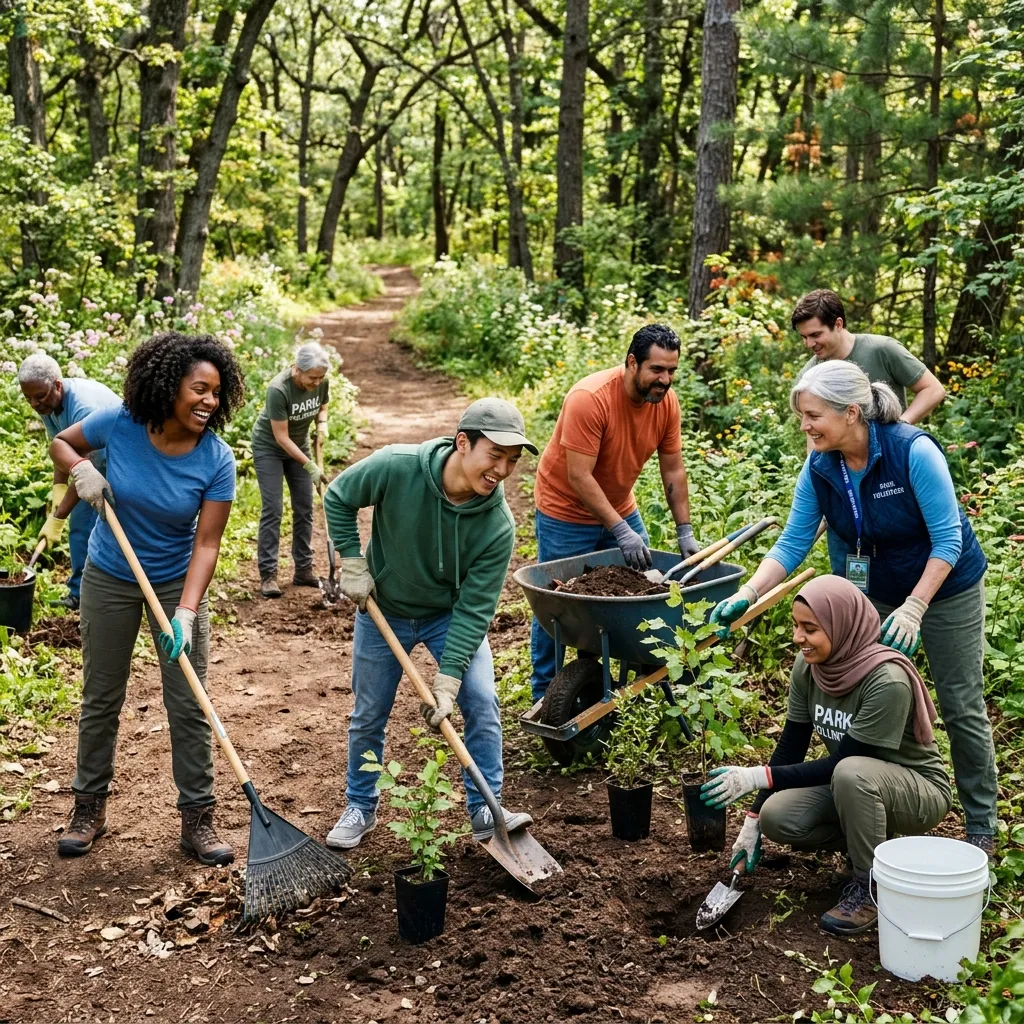
Outdoor volunteering—whether it's clearing invasive species, maintaining a local trail, or participating in a park cleanup—is a powerful way to achieve dual benefits: improving your physical health while making a tangible positive impact on your community. These activities provide natural, full-body workouts that are inherently rewarding because they combine exercise with purpose and connection to nature.
The Physical Workout: How You Get Fit
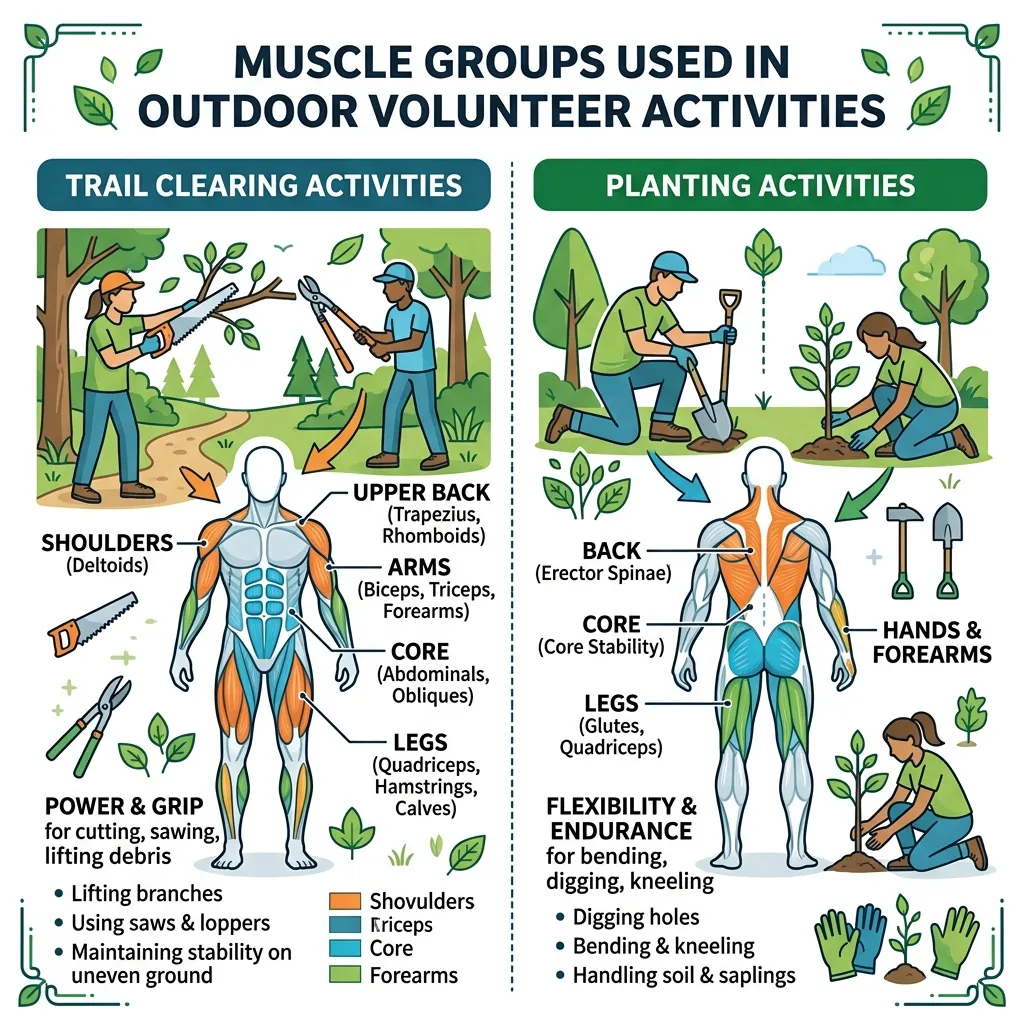
Unlike traditional gym routines, outdoor volunteering offers varied movements that engage multiple muscle groups simultaneously. Here is a breakdown of the physical benefits you can expect:
- Cardiovascular Health: Activities like hiking through uneven terrain or walking long distances during cleanups elevate your heart rate and strengthen your lungs.
- Strength and Endurance: Tasks such as digging, lifting debris, carrying tools, and clearing brush build functional strength in your core, back, arms, and legs.
- Improved Balance and Coordination: Navigating natural or uneven ground requires constant micro-adjustments, significantly improving balance and coordination—skills vital for daily life.
- Vitamin D Boost: Spending extended time outdoors exposes your skin to sunlight, aiding the body's natural production of Vitamin D, which is crucial for bone health and immune function.
Types of Volunteer Activities & Their Benefits
The specific activity dictates the workout, but all are beneficial:
- Trail Maintenance: This involves clearing brush, repairing erosion, or building steps. It’s a challenging full-body circuit that requires hiking stamina and upper body strength.
- Park Cleanups: Beyond just picking up trash, these activities involve walking long distances, bending (for litter), and carrying materials, providing excellent low-impact cardio.
- Habitat Restoration: Planting native species or removing invasive plants involves digging, lifting, and careful manual labor, building endurance and fine motor skills.
Beyond Muscles: The Mental Health Benefits of Giving Back
The benefits of volunteering extend far beyond physical fitness; they profoundly impact your mental and emotional well-being. This connection between nature, movement, and purpose is often called "green exercise."
Why Does Volunteering Reduce Stress?
Spending time in natural environments has been scientifically linked to reduced levels of stress hormones (like cortisol). When you combine this with physical activity, the effect is amplified:
- Endorphin Release: The physical exertion releases endorphins—natural mood boosters that combat feelings of anxiety and low mood.
- Sense of Purpose: Contributing to a cause larger than yourself gives life meaning. This sense of purpose is a critical pillar of mental resilience and self-esteem.
- Community Connection: Working alongside others builds social bonds and combats feelings of isolation, which are major risk factors for depression.
Building Connections Through Shared Goals
Volunteering provides an immediate, shared goal that naturally fosters camaraderie. You meet people who share your passion for the outdoors or environmentalism, creating a supportive network that is invaluable for mental health.
How to Start Volunteering Outdoors: A Step-by-Step Guide
Ready to start? Finding and preparing for your first outdoor volunteer session is straightforward.
1. Finding Local Opportunities
Start by searching through these reliable channels:
- Local Parks Departments: Check the official websites of your city or county parks department; they often manage active volunteer programs.
- Conservation Organizations: Groups like The Nature Conservancy or local land trusts always need help with habitat restoration and cleanup.
- Volunteer Websites: Platforms such as VolunteerMatch allow you to filter opportunities by interest (e.g., "environment," "outdoors").
- Community Centers: Local community centers are excellent hubs for connecting people with nearby volunteer needs.
2. Preparing for Your First Day
Safety and preparation are key to enjoying your experience:
- Check the Activity Details: Understand exactly what you will be doing (e.g., "light litter removal" vs. "heavy trail building").
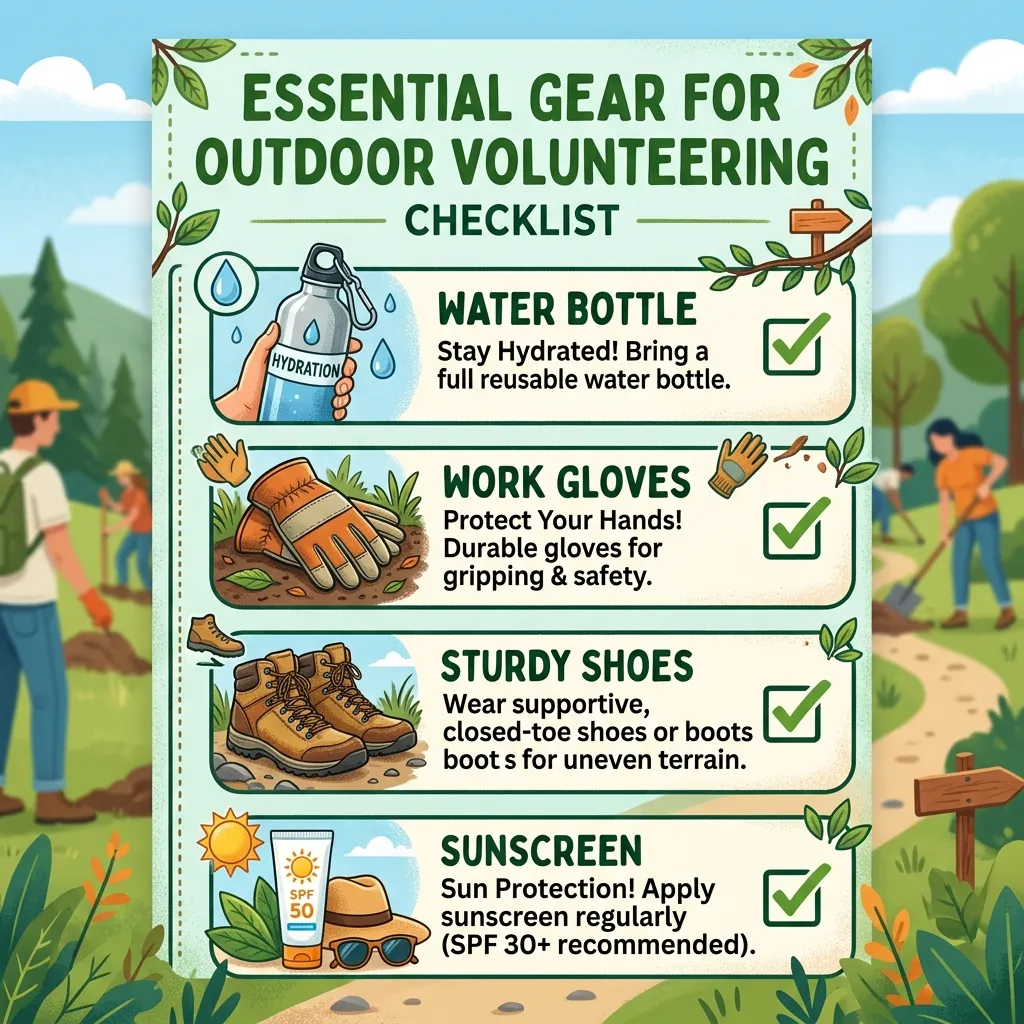
- Dress Appropriately: Wear sturdy, closed-toe shoes (hiking boots are best), and dress in layers that can handle changing weather conditions.
- Hydrate and Snack: Bring plenty of water and energy snacks to maintain your focus and stamina throughout the day.
- Listen to Your Body: Never push yourself past a point of pain or exhaustion. Take frequent breaks, especially when tackling uneven terrain.
Making It Sustainable: Integrating Volunteering into Your Routine
To ensure this beneficial habit lasts, treat your volunteer time like any other important appointment. Consistency is the most powerful tool for both fitness and mental well-being.
- Schedule it: Put a recurring "Volunteer Day" in your calendar.
- Vary your activities: Don't stick to one type of cleanup. Try gardening one month, and trail maintenance the next to keep your body challenged and prevent boredom.
- Make it social: Invite friends or family members. Shared experiences make the commitment easier and more fun.
By integrating outdoor volunteering into your life, you are not just exercising; you are building a sustainable habit that improves your physical strength, boosts your mood, and strengthens your connection to the world around you.
Frequently Asked Questions
The intensity varies greatly. Activities like trail maintenance can be strenuous, while litter cleanup may be low impact. Always start with activities matching your current fitness level.