
Outdoor fitness is incredibly rewarding, offering a powerful combination of physical challenge and mental clarity. However, the natural environment—uneven terrain, unpredictable weather, and increased exertion—significantly raises the risk of injury. To stay active safely, you must learn to listen to your body's signals. This guide provides actionable strategies for preventing injuries before they happen, managing them when they occur, and optimizing recovery so you can keep enjoying the great outdoors.
Why is Preparation Key? Warming Up and Mastering Form
Before every outdoor activity, whether it’s a brisk walk or a challenging trail run, your body needs time to transition from rest to movement. Proper preparation minimizes strain on muscles and joints.
What Does a Dynamic Warm-Up Include?
A warm-up must be dynamic, meaning it involves active movements that take your joints through their full range of motion. Avoid static stretching (holding stretches) before exercise, as this can temporarily decrease power output.
Essential Components (5–10 minutes):
- Cardiovascular Activation: Start with light activity to raise the core temperature and increase blood flow. Examples include a brisk walk or slow jog.
- Dynamic Stretching: Perform movements that mimic your planned activity:
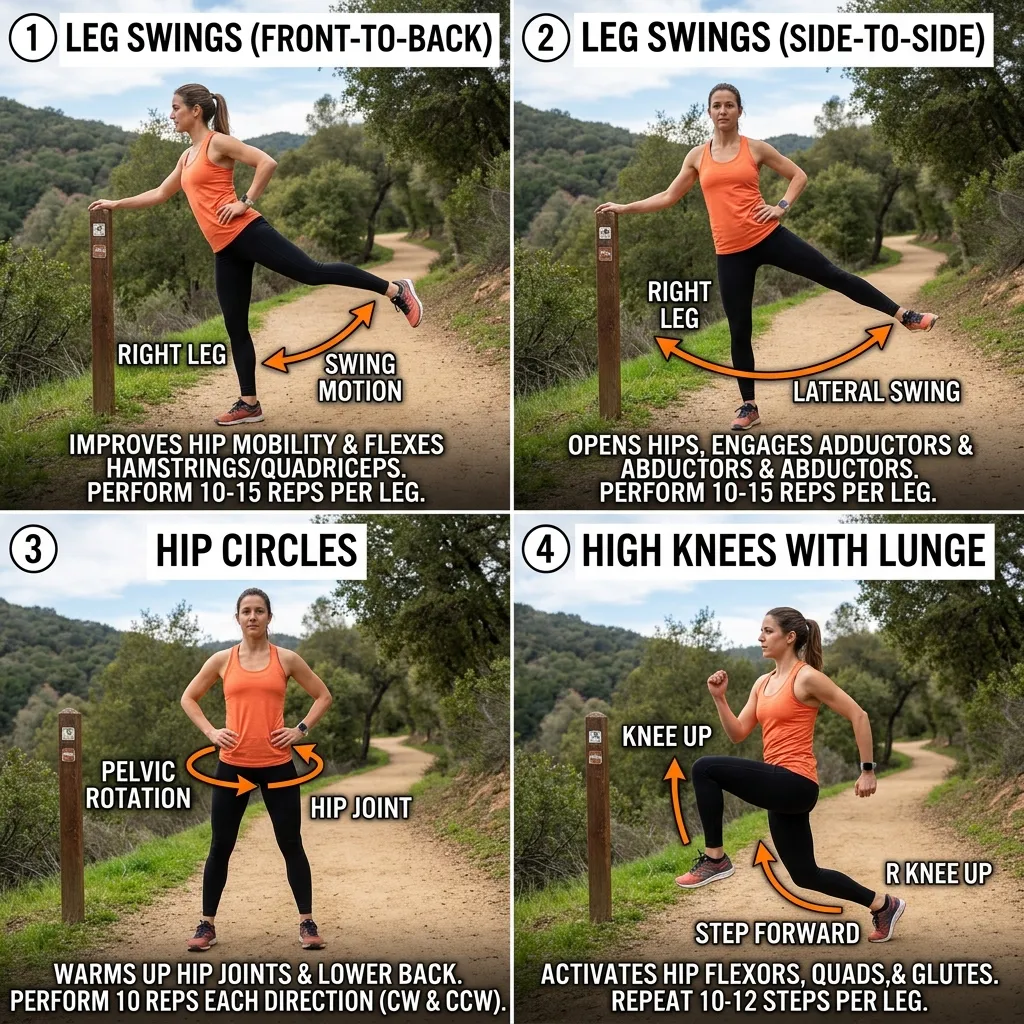
- Leg Swings: Gently swing legs forward/backward and side-to-side.
- Hip Circles: Rotate hips slowly to mobilize the hip joint.
- Arm Circles & Torso Twists: Loosen up the upper body and core.
- Walking Lunges: Activates glutes, quads, and hamstrings while improving balance.
How Does Proper Form Reduce Injury Risk?
Maintaining correct form is non-negotiable for safety. Poor technique forces joints to bear undue stress, leading to imbalances and overuse injuries.
- Running/Hiking: Focus on cadence (steps per minute) rather than stride length. Aim to land your foot close to, or slightly under, your center of gravity. Keep your core engaged and maintain an upright posture.
- Descending Hills: Never lock your knees. Always keep a slight bend in the knee joint to act as natural shock absorbers.
- Packing Weight: When hiking with a pack, distribute weight evenly across both hips and shoulders, rather than letting it pull you forward or back.
What Are Common Outdoor Injuries, and How Can I Spot Them?
Knowing the warning signs is half the battle. Early recognition allows for immediate intervention before minor discomfort becomes a serious injury.
Understanding Key Injury Types
- Sprains: Damage to ligaments (connect bones to bones). Ankle sprains are the most common outdoor culprit, often caused by uneven terrain.
- Strains: Damage to muscles or tendons (connect muscles to bones). Hamstring strains and calf pulls are frequent during running.
- Overuse Injuries: These develop gradually from repetitive stress. Examples include Shin Splints (pain along the shinbone) and Plantar Fasciitis (heel pain, often worse in the morning).
- Heat-Related Illnesses: Symptoms range from mild dehydration (thirst, headache) to heat exhaustion (heavy sweating, weakness) and, critically, heatstroke (high body temperature, confusion—a medical emergency).
🚨 The Golden Rule: Listen to Pain!
Never ignore pain. A sharp, persistent, or worsening ache is a red flag. If you feel any of the following, stop immediately:
- Sharp Pain: Any sudden, acute discomfort.
- Swelling/Bruising: Indicates inflammation and potential trauma.
- Numbness or Tingling: Can signal nerve compression.
- Loss of Function: Inability to move a joint through its normal range.
What Should I Do When an Injury Occurs? Immediate Care Protocols
If you suspect a minor injury (like a sprain or strain), the immediate goal is to reduce inflammation and stabilize the area. The RICE protocol remains the gold standard for initial care:
- Rest: Stop all activity immediately. Avoid putting weight on the injured limb.
- Ice: Apply an ice pack wrapped in a towel for 15–20 minutes every few hours to reduce swelling and pain.
- Compression: Use a bandage (like an ACE wrap) to gently compress the area, which helps limit blood flow and swelling. Note: Ensure the wrap is snug but not so tight that it causes numbness or tingling.
- Elevation: Raise the injured limb above the level of your heart whenever possible. This uses gravity to help drain excess fluid and reduce swelling.
⚠️ When to Seek Professional Care: If you experience severe pain, significant deformity, inability to bear weight, or if symptoms do not improve within 48 hours, seek immediate medical attention from a physical therapist or doctor.
How Do I Optimize Recovery for Peak Performance?
Recovery is when the magic happens—it's when your body repairs itself and gets stronger. Neglecting recovery leads directly to overuse injuries.
The Pillars of Effective Recovery
Effective recovery requires addressing multiple systems: sleep, nutrition, hydration, and movement.
- Sleep: Aim for 7–9 hours of quality sleep. Sleep is the primary time when your body releases growth hormones necessary for muscle repair.
- Nutrition (Fueling Repair): Focus on a balanced intake to support tissue rebuilding:
- Protein: Essential building blocks for muscles. Include sources like lean meats, beans, and dairy.
- Complex Carbohydrates: Replenish glycogen stores, your body's primary energy source (e.g., whole grains, sweet potatoes).
- Healthy Fats: Support overall inflammation management and hormone balance (avocados, nuts, olive oil).
- Hydration & Electrolytes: Drink water consistently throughout the day. During intense or hot workouts, replace lost electrolytes (sodium, potassium) with sports drinks or electrolyte tabs to prevent cramping and fatigue.
Active Recovery vs. Complete Rest
On rest days, consider active recovery. This involves low-intensity movement—like a gentle walk, easy swim, or restorative yoga session. This keeps blood flowing, which helps clear metabolic waste (like lactic acid) without stressing the muscles.

Post-Workout Cool-Down and Stretching
The cool-down is crucial for bringing your heart rate and body temperature back to baseline safely. This phase should include both light cardio and static stretching.
- Cool-Down (5–10 minutes): Gradually slow down the intensity of your activity (e.g., walking slowly after a run).
- Static Stretching (10–15 minutes): Hold stretches for 20–30 seconds. Focus on major muscle groups used that day:
- Hamstrings: Sit with one leg extended and gently reach toward your toes.
- Quadriceps: Stand and pull your heel toward your glutes, keeping knees aligned.
- Calves: Lean against a wall, stepping back until you feel a stretch in the calf.
Summary: Your Safety Checklist for Outdoor Adventures
By integrating these steps into every outdoor activity, you transform from merely exercising to training safely and sustainably.
- Warm Up Dynamically: Never skip this step; it prepares your joints and muscles.
- Check Your Form: Focus on quality movement over speed or distance.
- Be Aware of Signs: Recognize the difference between muscle fatigue and sharp pain.
- RICE Protocol: Use Rest, Ice, Compression, and Elevation for acute injuries.
- Prioritize Recovery: Treat sleep, nutrition, and hydration as non-negotiable parts of your training plan.
Disclaimer: This article is for informational purposes only and does not constitute medical advice. Always consult with a healthcare professional or physical therapist before starting any new exercise regimen or if you have existing health concerns.
Frequently Asked Questions
The best prevention strategy involves a thorough dynamic warm-up, wearing appropriate footwear for the terrain, and maintaining proper form throughout your hike.