
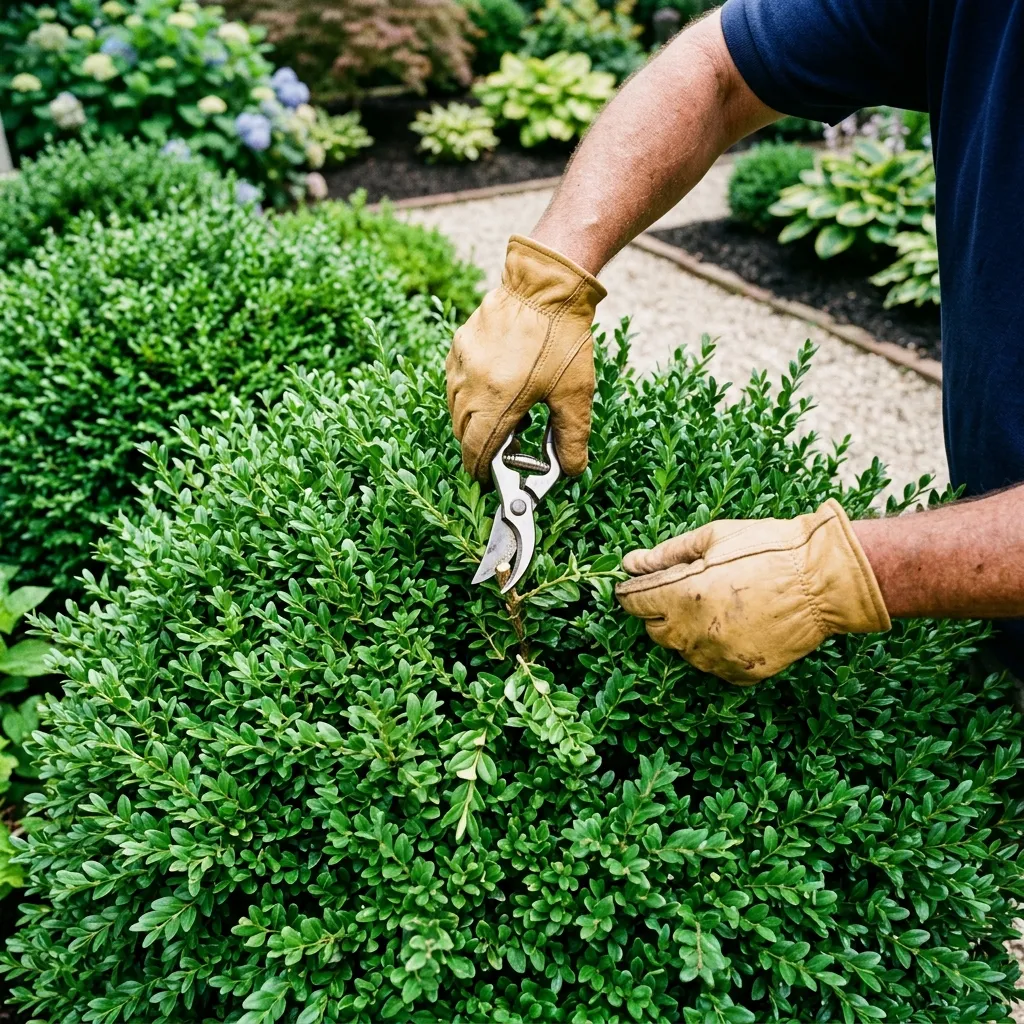
Pruning is far more than simple trimming; it is a precise horticultural technique that acts as the foundation for plant health, structure, and productivity. By selectively removing parts of a plant—whether dead wood, overgrown branches, or spent blooms—gardeners redirect the plant's energy flow. This process encourages vigorous new growth, improves nutrient distribution, and ultimately allows plants to achieve their maximum aesthetic potential and yield.
Why is Pruning Essential for Plant Health and Growth?
Many gardeners view pruning as merely cosmetic, but its benefits are deeply rooted in plant biology. Proper pruning addresses structural weaknesses and optimizes the environment within the plant's canopy, ensuring long-term vitality.
🌿 Promoting Overall Plant Health
Pruning acts like preventative medicine for your garden. By removing specific parts of the plant, you prevent systemic issues from taking hold:
- Disease Prevention: Dead, diseased, or damaged wood serves as a harbor site for pests and pathogens. Removing these infected branches prevents the spread of fungal diseases (like black spot) and bacterial infections throughout the entire plant.
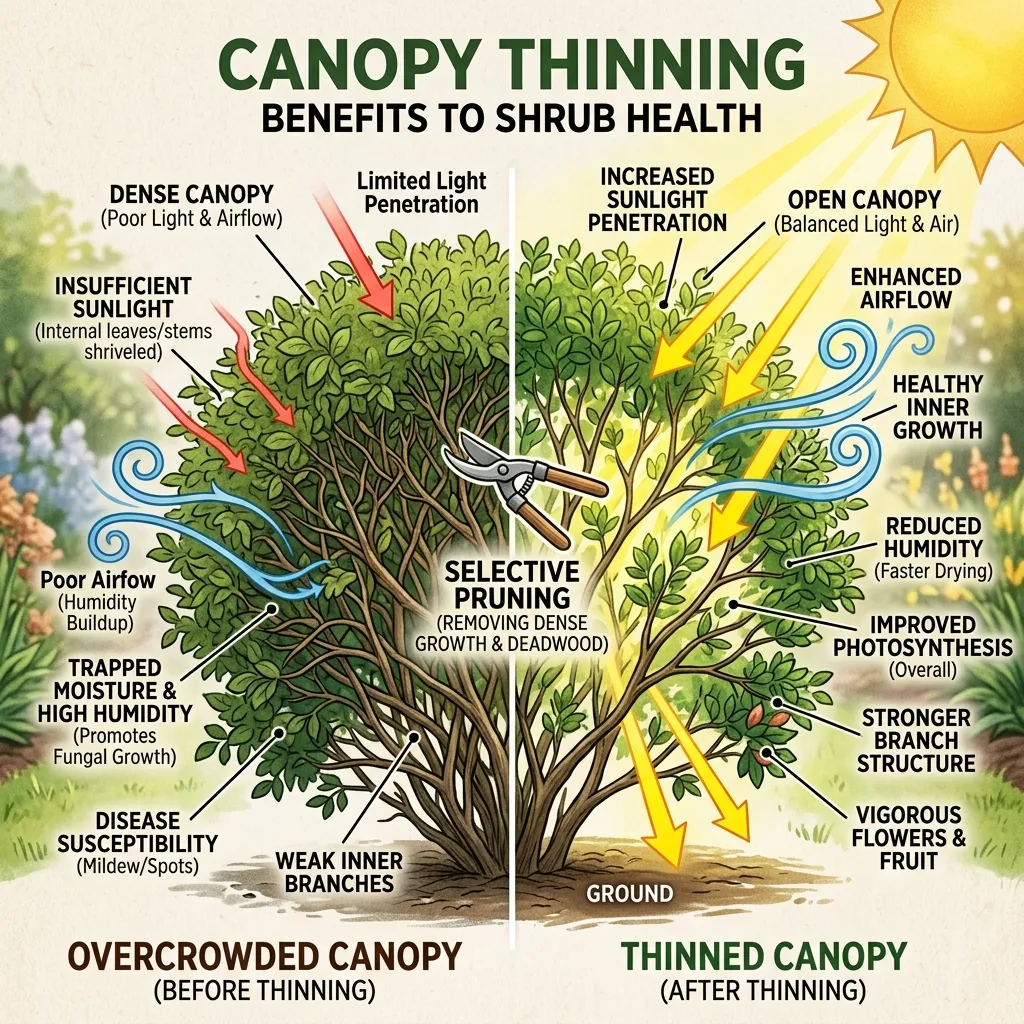
- Improved Air Circulation: Dense foliage can create pockets of stagnant, humid air—the perfect breeding ground for mold and mildew. Thinning out the canopy allows optimal airflow, which drastically reduces disease risk.
- Stimulating New Growth: When a branch is removed, the plant responds by redirecting stored energy (hormones) to the remaining buds. This stimulation encourages the development of new, vigorous shoots, leading to a bushier appearance.
📐 Shaping and Controlling Structure
Pruning allows you to guide the natural growth pattern of a plant, transforming it into its ideal form:
- Achieving Desired Form: Whether you are aiming for a compact, rounded shrub or an elegant, spreading tree, selective pruning techniques allow you to sculpt the plant's architecture.
- Size Management: In confined spaces, regular pruning is crucial for controlling size. It prevents plants from becoming overgrown and overwhelming surrounding flora.
- Training Young Plants: For structural integrity, young plants benefit greatly from careful training. Pruning helps establish a strong, healthy framework that will support the plant as it matures.
🍎 Maximizing Productivity (Yield)
The most tangible benefit of pruning is often increased yield. By managing resources, you ensure energy goes where it's needed most:
- Boosting Blooms and Fruit: Removing unproductive or competing branches forces the plant to focus its limited energy reserves on developing the remaining buds and fruit. This results in a higher quantity and quality of harvest.
- Optimizing Sunlight Penetration: Dense canopies block sunlight, which is essential for photosynthesis. Pruning opens up the center of the plant, ensuring that all parts receive adequate light necessary for ripening fruits and vibrant flowers.
What Tools Are Necessary for Effective Pruning?
Using the wrong tool can cause more damage than the pruning itself. Investing in quality equipment ensures clean cuts that promote faster healing and better plant recovery.
- Hand Pruners (Secateurs): These are essential for small, precise cuts on stems up to ¾ inch.
- Bypass Type: Ideal for cutting live, green stems, as the two blades pass each other like scissors, making a clean slice.
- Anvil Type: Best suited for cutting dead or dry wood, where the blade presses against a flat surface.
- Loppers: Designed with longer handles than hand pruners, loppers provide leverage to cut thicker branches (up to 2 inches). They are necessary when your shears can't reach.
- Pruning Saw: Used for large-diameter limbs that exceed the capacity of loppers. Look for saws with curved blades and aggressive teeth designed for efficient wood cutting.
- Hedge Trimmers: Specialized tools used to maintain formal, uniform shapes on hedges and shrubs. Power models are recommended for larger areas.
- Pruning Knife: A small, sharp knife used for highly precise tasks like removing suckers, making graft cuts, or clearing out tiny buds.
🛠️ Essential Safety Gear Checklist
Never prune without proper safety equipment. Always wear:
- Safety Glasses/Goggles: To protect against flying debris and sap.
- Gloves: Durable gloves to prevent scratches from thorns and splinters.
- Long Sleeves and Pants: To protect skin from abrasions and insects.
When Should You Prune? Timing by Season and Plant Type
The timing of pruning is arguably the most critical factor, as cutting at the wrong time can severely damage a plant's ability to flower or fruit in subsequent years.
🗓️ Seasonal Guidelines
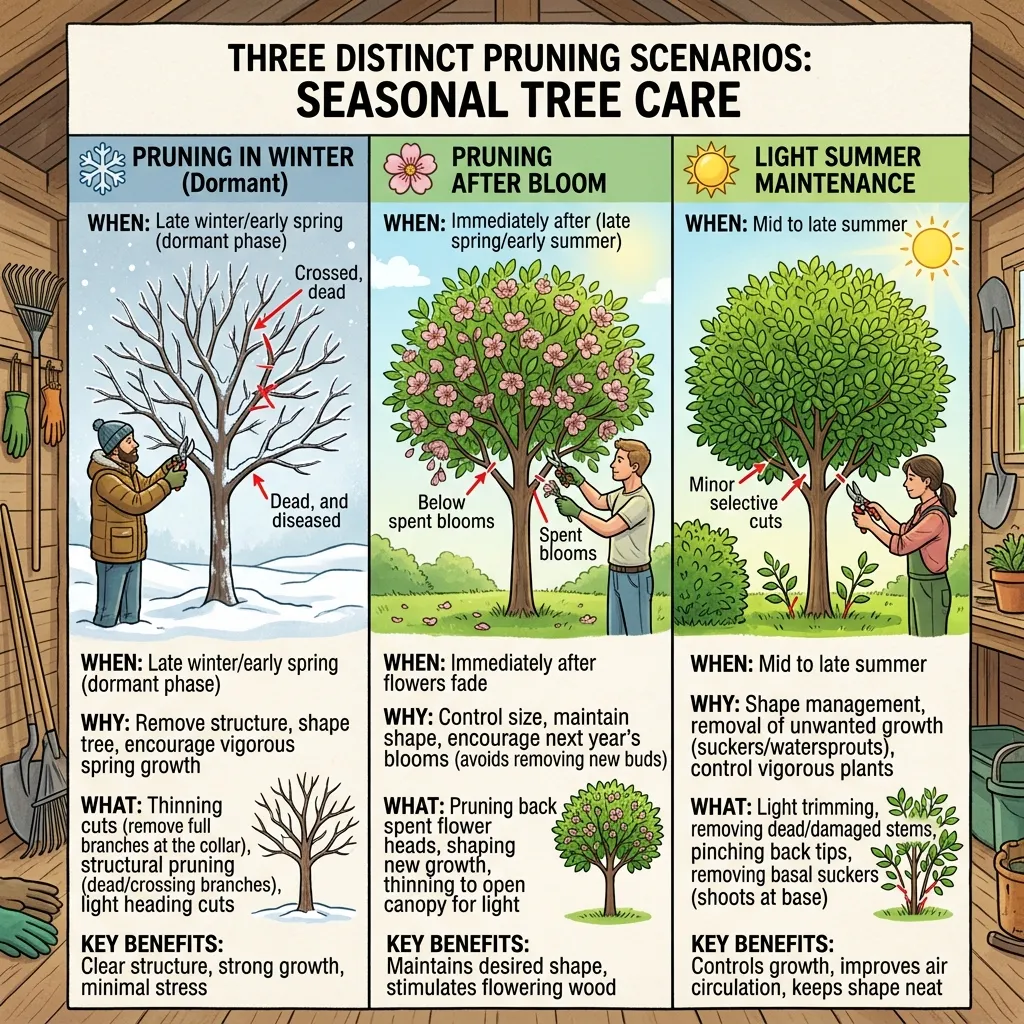
- Dormant Season (Late Winter/Early Spring): This is the safest time for major structural pruning on most deciduous trees and shrubs. Since the plant is not actively growing, the cuts do not interfere with current growth cycles.
- Immediately After Flowering: For certain spring-blooming species (like Lilacs), you must prune after they have finished blooming. Pruning before this removes the flower buds for the entire season.
- Summer/Fall: Reserve these seasons for light maintenance only—removing obvious dead, damaged, or diseased wood. Heavy pruning in fall can trigger new growth that is susceptible to early frost damage.
🌳 Specific Plant Care Protocols
| Plant Type | Best Time to Prune | Key Techniques & Goals |
|---|---|---|
| Deciduous Trees (Oaks, Maples) | Late Winter/Early Spring (Dormant) | Thin the canopy; remove dead or crossing limbs. Focus on maintaining an open structure for light and air. |
| Fruit Trees (Apples, Pears) | Late Winter/Early Spring (Dormant) | Prune to create a vase-shaped center. Remove water sprouts and suckers to maximize fruit production. |
| Spring Bloomers (Lilacs, Forsythia) | Immediately After Flowering | Cut back hard to encourage strong new canes for the following year's blooms. |
| Summer Bloomers (Roses, Butterfly Bush) | Late Winter/Early Spring | Prune based on species type; remove dead wood and thin out the center of the bush. |
| Shrubs (General) | Varies by bloom time | Always check if the shrub flowers on old wood or new wood to determine the correct timing. |
Advanced Techniques for Targeted Results
To achieve professional-grade results, understanding specific techniques is necessary. These methods guide the plant's energy flow to maximize health and yield.
1. Heading Back vs. Thinning
- Heading Back: This involves shortening a branch by cutting it back to a bud. It encourages bushier growth and density but can sometimes create too much foliage, blocking light.
- Thinning: This involves removing entire branches back to the main trunk or a major limb. This is crucial for improving air circulation and sunlight penetration, which are vital for disease prevention and fruit ripening.
2. Deadheading
This simple but powerful technique involves regularly removing spent flowers (dead blooms). By doing this, you prevent the plant from wasting energy producing seeds and instead redirecting that energy into forming more buds or developing existing foliage.
3. Renewal Pruning
Used primarily on overgrown shrubs, renewal pruning involves systematically removing the oldest, largest canes to stimulate a flush of vigorous new growth. This is an aggressive technique best used when the shrub structure has become too dense or weak.
Summary: A Holistic Approach to Garden Care
Pruning is not merely maintenance; it is an active form of horticultural therapy for your garden. By adopting a systematic approach—understanding why you are cutting, using the correct tools, and respecting the plant's natural cycle—you transform from a casual gardener into a skilled landscape architect.
Remember that every cut serves a purpose: to promote health, define structure, and maximize productivity. Approach your garden with the same care and attention to detail as you would any complex system, and watch your plants thrive.
Sources & Further Reading:
- American Horticultural Society Pruning & Training Guidelines. (Consult local extension services for regional specifics.)
- University Extension Services: Best Practices for [Your Region] Gardening.
Frequently Asked Questions
Generally, avoid heavy pruning in the fall. Light trimming to remove dead or damaged wood is acceptable, but wait until late winter/early spring for major structural cuts.