Why Are Solo Outdoor Adventures So Beneficial for Mind and Body?
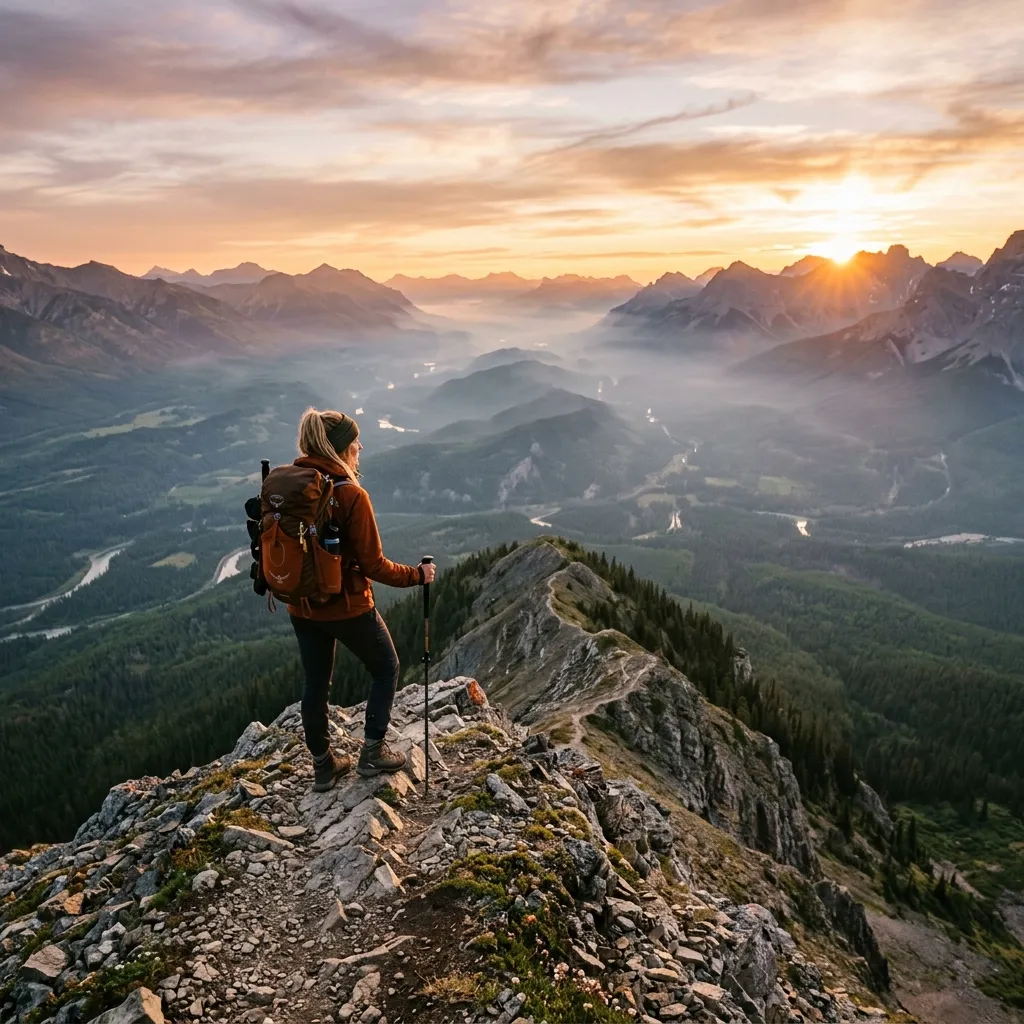
Venturing out into nature alone—whether it's a solitary hike, run, or bike ride—offers unique benefits that go far beyond physical fitness. Solitude in the outdoors is a powerful tool for mental clarity, promoting deep self-reflection while simultaneously building physical resilience. By combining movement with natural immersion, you enhance both your body and mind, making these adventures deeply restorative.
What are the Mental Health Benefits of Solitude?
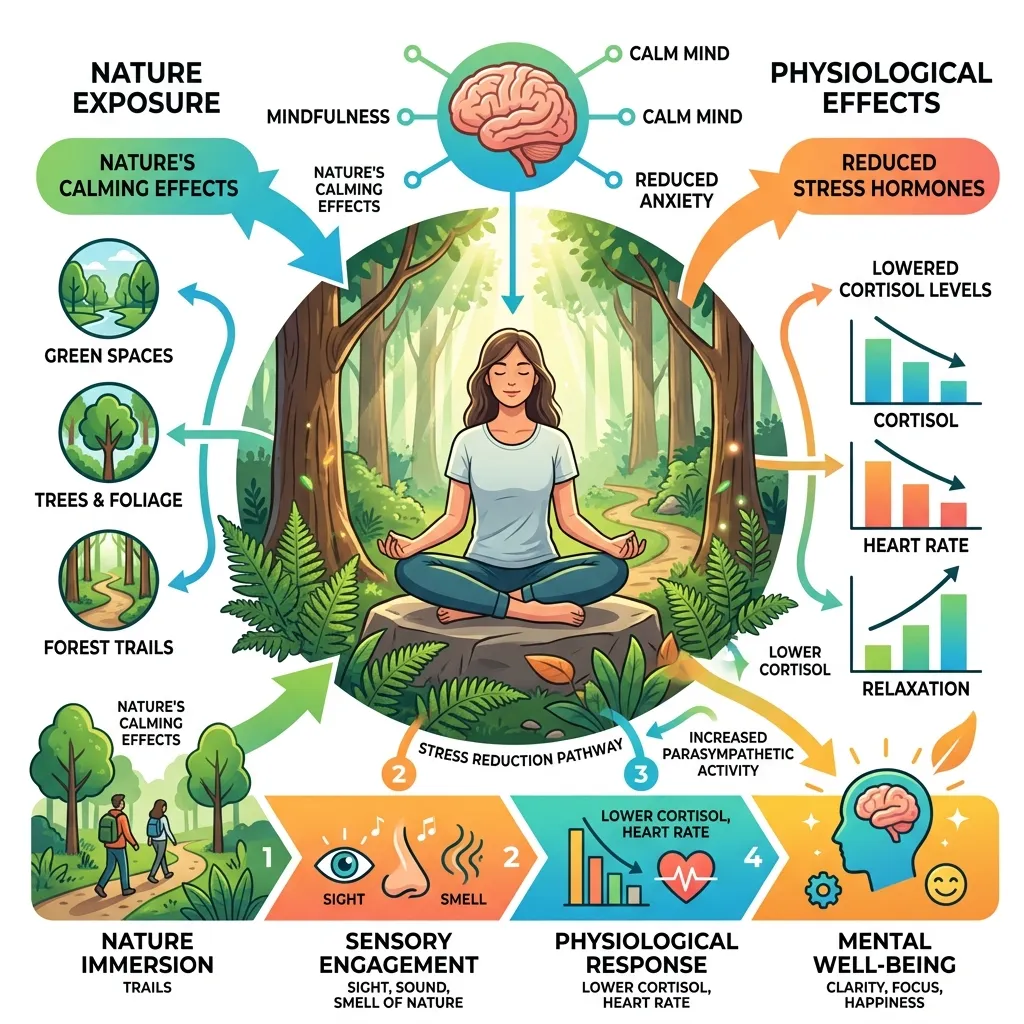
The quiet environment of nature provides an unparalleled opportunity to disconnect from digital noise and reconnect with yourself. This process leads to several key mental advantages:
- Reduced Stress and Anxiety: The natural setting acts as a powerful antidote to urban stress, lowering cortisol levels and promoting deep relaxation.
- Enhanced Mindfulness: Being alone forces you to become acutely aware of your surroundings—the sounds, the smells, the textures. This heightened sensory focus grounds you in the present moment.
- Improved Self-Awareness: Without external distractions or social pressure, solitude allows you space to process emotions and gain clarity on personal goals.
- Creative Problem Solving: Many people report that spending time alone in nature sparks creative thinking and helps them approach complex problems from a fresh perspective.
How Does Solo Exercise Boost Physical Confidence?
Beyond the mental rewards, tackling an outdoor challenge by yourself builds profound self-reliance. Successfully navigating a trail or completing a challenging distance proves your capability to yourself. This process leads to:
- Increased Self-Efficacy: You learn that you are capable of handling unexpected challenges and taking care of yourself in unfamiliar environments.
- Personalized Fitness: You have the freedom to set your own pace, adjust intensity, and tailor the workout precisely to your current energy levels and goals.
- Improved Discipline: Being solely responsible for your motivation builds greater self-discipline and commitment to physical health.
What Are the Essential Safety Protocols for Solo Hiking?
While the rewards of solo adventures are immense, safety must always be the top priority. Being alone means you are solely responsible for your well-being, requiring meticulous planning and preparation. Never underestimate the potential risks associated with remote outdoor environments.
1. Planning: The Foundation of Safety
Before setting foot on a trail, thorough research is non-negotiable. Treat every trip like an expedition that requires detailed logistics.
- Route Research: Use reliable resources (like local park websites or AllTrails) to study your route. Know the elevation changes, potential hazards (e.g., river crossings), and available water sources.
- Fitness Assessment: Choose a trail difficulty appropriate for your current fitness level. It is better to start with shorter, easier routes and gradually build up endurance than to attempt an overly challenging hike.
- Weather Monitoring: Check the forecast multiple times—not just before you leave. Be prepared for rapid changes; mountain weather can shift dramatically in minutes. Always pack layers appropriate for rain, cold, and heat.
2. Gear Checklist: What Must You Carry?
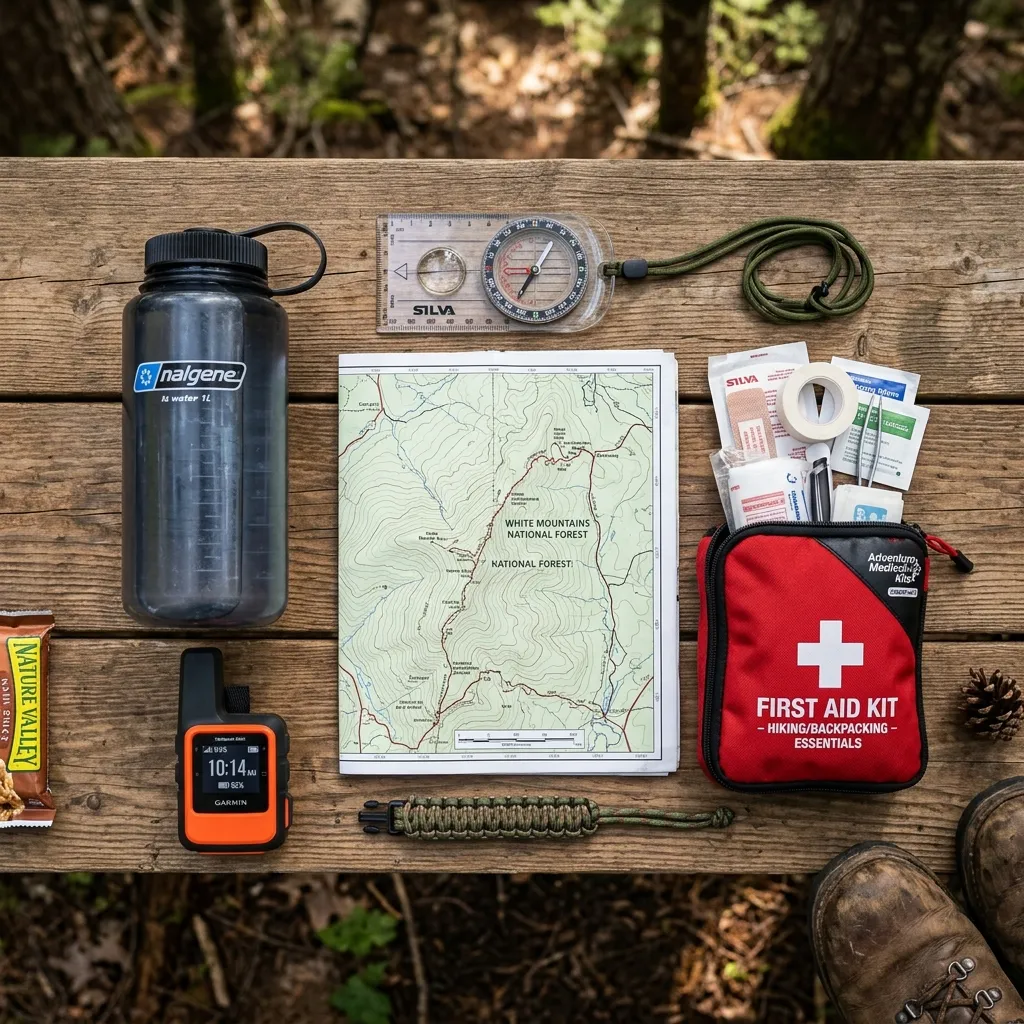
Carrying the right gear is your insurance policy against emergencies. This list covers critical items needed for any solo outdoor trip:
- Navigation:
- Map and Compass: These are non-negotiable backups. Learn how to use them before you leave home.
- GPS Device/Offline Maps: Use a dedicated GPS device or download offline maps on your smartphone (e.g., Gaia GPS).
- Communication & Emergency Signaling:
- Personal Locator Beacon (PLB) or Satellite Messenger: These devices send an SOS signal even when cell service is unavailable—a true lifesaver in remote areas.
- Fully Charged Cell Phone: Carry it, but understand its limitations regarding coverage.
- First Aid & Survival Kit:
- A comprehensive first-aid kit (bandages, antiseptic, pain relievers).
- Emergency blanket or bivy sack for warmth.
- Headlamp/Flashlight with extra batteries.
- Multi-tool and fire starter.
- Hydration & Nutrition:
- Water: Carry more than you think you need. A general rule is to carry enough water for every hour of activity.
- Purification Method: Bring a filter or purification tablets if relying on natural sources.
- High-Energy Snacks: Pack nutrient-dense, non-perishable snacks (nuts, dried fruit, energy bars).
3. Communication Plan: Never Hike Without Telling Someone
This is arguably the most critical safety step. You must establish an explicit communication plan with a trusted contact person (friend or family member).
- Share Your Itinerary: Provide your contact with the exact name of the trail, the trailhead location, and your planned route details.
- Set Check-In Times: Agree on specific times when you will check in via text or call. If you miss a scheduled check-in, they know when to initiate concern.
- Emergency Contacts: Provide them with local emergency numbers (Park Ranger station, Sheriff's department).
How Do I Stay Safe While On the Trail?
Safety awareness is an active skill that requires constant attention throughout your journey.
Situational Awareness and Hazard Avoidance
- Wildlife Encounters: Maintain a respectful distance from all wildlife. Never approach or feed animals. If you encounter large predators, make noise and appear large to deter them.
- Terrain Management: Pay close attention to the ground beneath your feet. Watch for loose rocks, slippery moss, or unstable footing. Proper footwear is essential.
- Pacing Yourself: Avoid overexertion. Take regular breaks, drink water consistently, and listen carefully to your body's signals of fatigue or pain.
Physical Preparation: Fueling the Adventure
Your physical state directly impacts your safety margin. Focus on these three areas before you leave home:
- Hydration: Drink water steadily throughout the day, even if you don't feel thirsty.
- Nutrition: Eat balanced meals and snacks that provide sustained energy (complex carbohydrates, healthy fats, protein). Avoid relying solely on sugary foods.
- Rest: Ensure adequate sleep the night before your adventure to maximize physical performance and cognitive function.
Conclusion: Embracing the Journey of Self-Discovery
Solo outdoor adventures are more than just exercise; they are powerful opportunities for personal growth, mindfulness, and deep connection with nature. By treating every trip with meticulous planning, carrying essential gear, and prioritizing communication, you can confidently embrace the freedom that comes with exploring on your own. Get out there, respect the wild, and discover the profound peace of solitude.
Sources & Further Reading:
- National Park Service (NPS) for local regulations and trail information.
- Leave No Trace Center for Outdoor Ethics to learn how to minimize your environmental impact.
- AllTrails for route planning and reviews.
Frequently Asked Questions
Always inform a trusted contact person (friend or family) of your detailed itinerary, including your expected return time and emergency contacts.