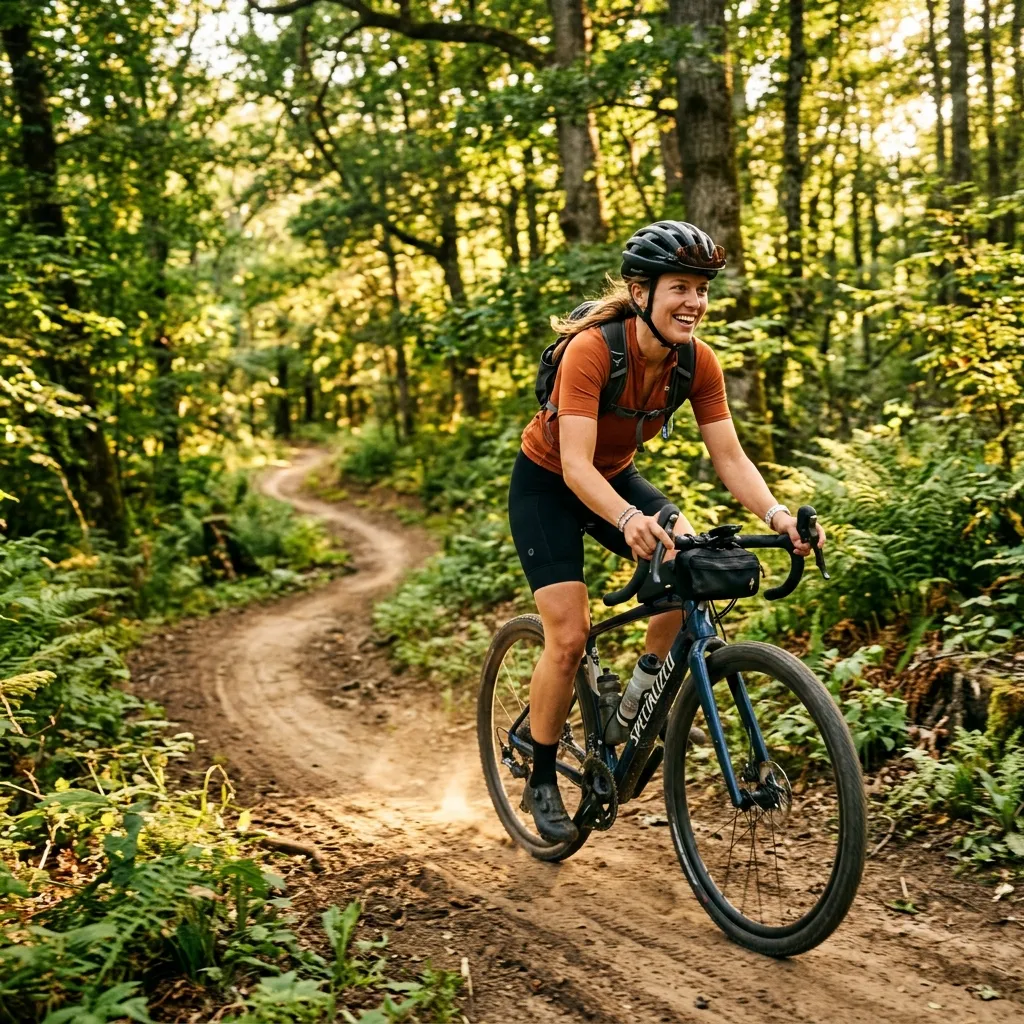
Cycling is one of the most versatile and accessible forms of cardiovascular exercise available. It provides a powerful way to improve physical fitness, manage weight, and reduce stress while simultaneously allowing you to explore beautiful natural environments. Whether you are aiming for a leisurely weekend ride or tackling an intense endurance workout, cycling offers scalable benefits that appeal to nearly every fitness level.
What Are the Core Health Benefits of Outdoor Cycling?
Cycling is far more than just physical activity; it's a holistic wellness tool. Because it is low-impact and highly customizable, its health advantages are extensive:
- Cardiovascular Strength: It acts as an excellent cardio workout, strengthening your heart and lungs, which helps lower blood pressure and significantly reduces the risk of chronic heart disease.
- Weight Management: Cycling burns a significant number of calories. By increasing overall energy expenditure, it is highly effective for maintaining or achieving a healthy weight.
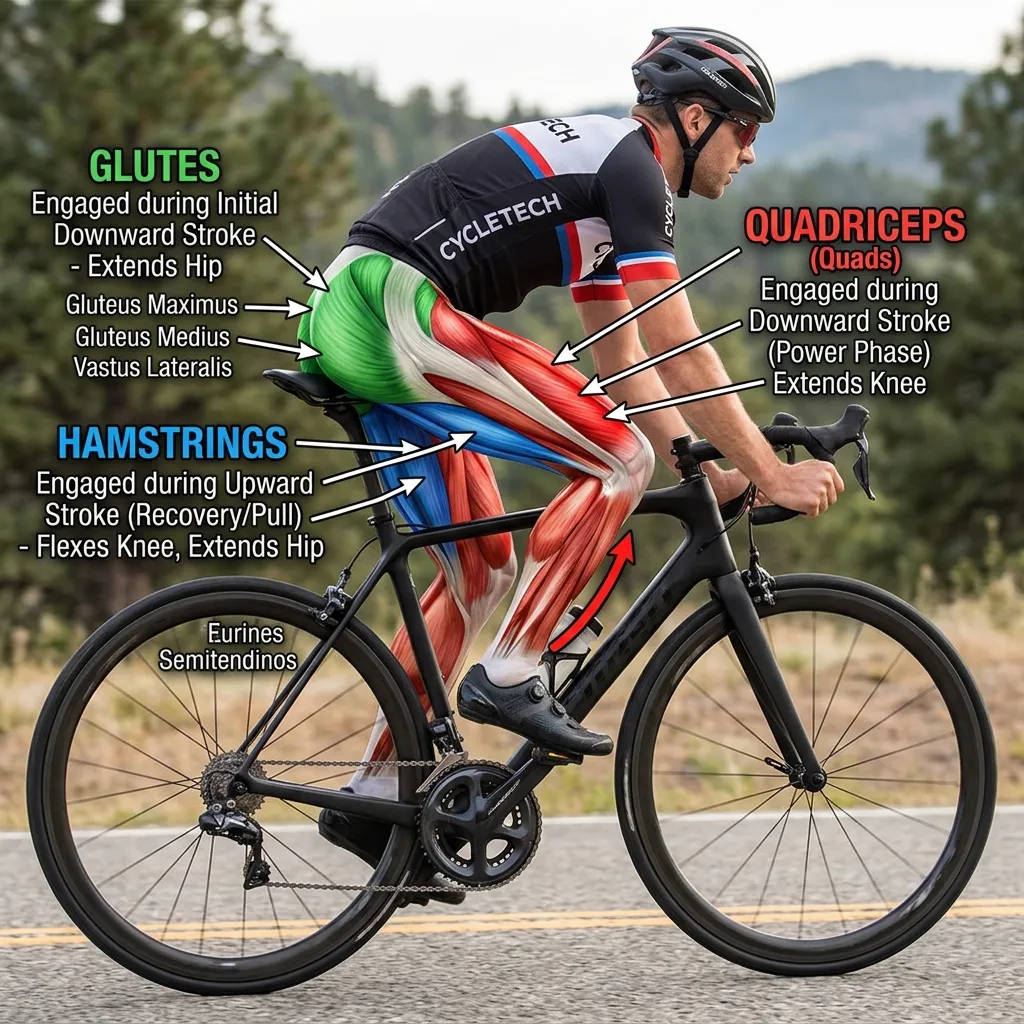
- Muscle Toning & Endurance: It engages major muscle groups—including quadriceps, hamstrings, glutes, and calves—while also requiring core stability. This builds functional strength and endurance that translates to daily life activities.
- Mental Well-being: Physical exercise triggers the release of endorphins, natural mood boosters. Cycling provides a meditative escape into nature, proven to reduce symptoms of anxiety and stress.
- Joint Safety: Unlike running or jumping, cycling is non-weight bearing. This makes it an ideal choice for individuals with arthritis or other joint concerns who still want a rigorous workout.
How Do I Choose the Right Bike for My Goals and Terrain?
The sheer variety of bikes can be overwhelming. Choosing the correct type is crucial for safety, comfort, and maximizing your workout potential. Here is a breakdown of the most common options:
🚴♂️ Road Bikes
- Best For: Speed, efficiency, long-distance paved road rides (e.g., touring).
- Features: Lightweight carbon or aluminum frames, drop handlebars, narrow high-performance tires.
- Pros: Extremely fast and efficient; ideal for competitive fitness training.
- Cons: Uncomfortable on rough terrain; requires smooth pavement.
⛰️ Mountain Bikes (MTB)
- Best For: Off-road trails, dirt paths, rocky or challenging natural terrain.
- Features: Sturdy frames, suspension forks, wide knobby tires, durable build.
- Pros: Excellent shock absorption and traction; highly versatile for adventure riding.
- Cons: Slower on paved roads; heavier than road bikes.
🚲 Hybrid Bikes
- Best For: Commuting, recreational rides, mixed terrain (pavement and light gravel).
- Features: Upright, comfortable geometry, medium-width tires, flat handlebars.
- Pros: The most versatile option; balances comfort with capability across various surfaces.
- Cons: Not as fast as a dedicated road bike or as rugged as an MTB.
🌴 Cruiser Bikes
- Best For: Leisurely, relaxed rides on boardwalks or flat neighborhood streets.
- Features: Laid-back riding position, wide tires, simple gearing (often single speed).
- Pros: Maximum comfort and style; easy to ride for beginners.
- Cons: Limited in performance; not suitable for hills or long distances.
⚡ Electric Bikes (E-bikes)
- Best For: Commuting, hilly areas, or riders needing assistance due to physical limitations.
- Features: Integrated electric motor and battery providing pedal assist.
- Pros: Reduces effort on inclines; allows longer travel distances for less fatigue.
- Cons: Higher initial cost; requires charging management.
Tip: Always visit a local bike shop to ensure the bike's geometry and size fit your body properly. A proper bike fit is essential for preventing injury.
What Gear Do I Need for Safety and Comfort?
Safety gear should never be compromised, but comfort items can significantly enhance your enjoyment. Here are the absolute essentials:
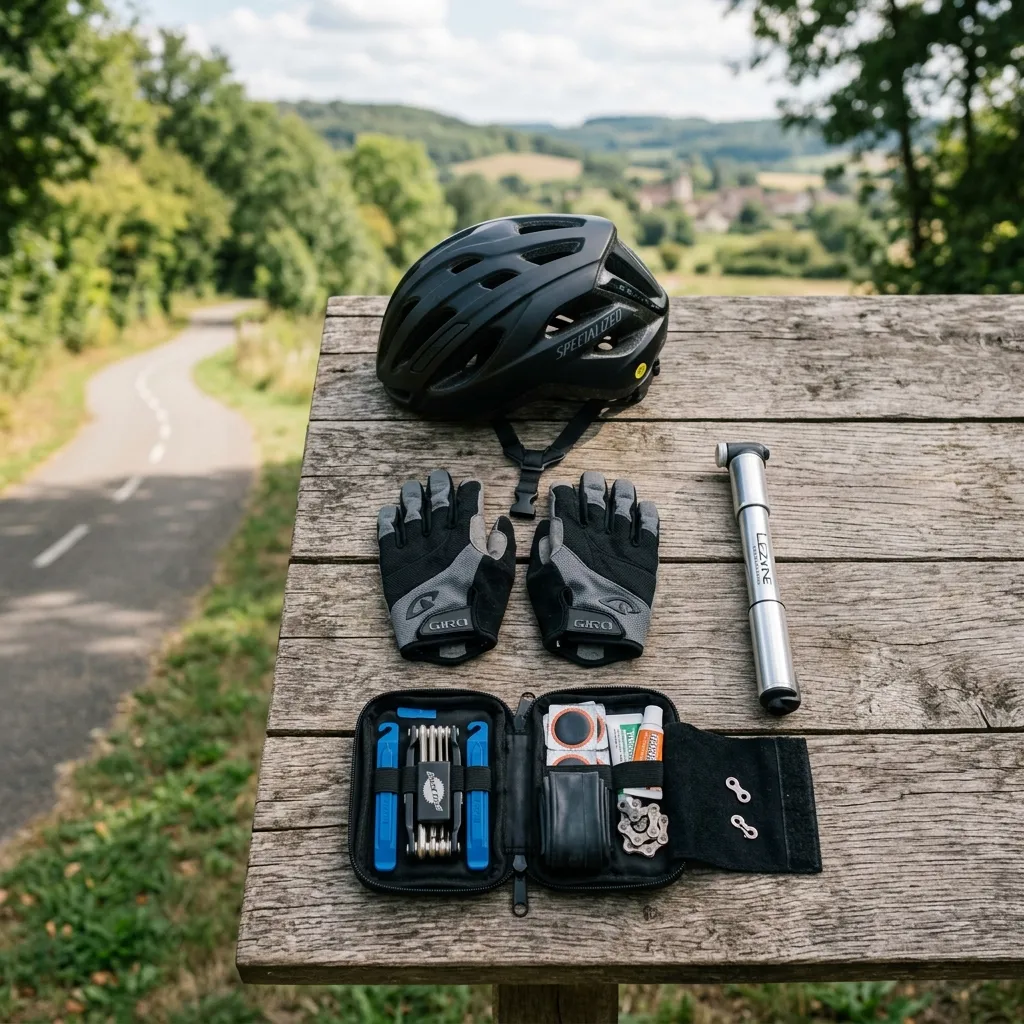
- Helmet: This is non-negotiable. It must fit snugly and meet current safety standards (e.g., CPSC). Always replace it after any significant impact.
- Padded Cycling Shorts: These shorts contain chamois padding that cushions the sit bones, drastically reducing chafing and discomfort on long rides.
- Gloves: They absorb vibration from the handlebars, preventing numbness, and protect your hands in a fall.
- Water Bottle & Cage: Hydration is paramount. Always carry enough water for the planned duration of your ride.
- Lights (Front & Rear): Even if riding during daylight hours, using flashing lights increases your visibility to motorists. Visibility equals safety.
- Repair Kit: Carry a multi-tool, tire levers, and at least one spare tube. Knowing how to fix a flat tire is crucial for self-sufficiency on the trail.
How Can I Ride More Efficiently and Safely?
Mastering basic techniques ensures you maximize your energy while minimizing injury risk. Focus on these key areas before hitting the trails:
⚙️ Improving Pedaling Efficiency
- Full Stroke: Don't just push down with your quads. Use your entire leg cycle—the power should come from pushing, pulling up (hamstrings), and pressing through at the bottom of the stroke.
- Cadence Focus: Aim for a consistent pedaling rate (cadence) between 80–100 RPM. This smooth rhythm conserves energy and reduces strain on specific muscles.
🚦 Mastering Safety Techniques
- Braking: Always use both brakes simultaneously, applying even pressure to maintain control and prevent skidding.
- Cornering: When turning, keep your weight balanced and look through the turn (where you want to go), not at your front wheel.
- Road Awareness: Practice defensive riding. Assume that drivers or pedestrians might not see you. Maintain eye contact with other road users when possible.
- Hand Signals: Use clear, predictable hand signals for turning and stopping. This communicates your intentions and prevents confusion on shared paths.
Where Can I Find Great Cycling Routes?
Finding the perfect trail requires planning! Utilize these resources to plan a safe and enjoyable ride:
- Local Parks & Recreation Departments: These are excellent sources for maintained, local bike paths that often avoid heavy traffic.
- Online Mapping Tools (e.g., AllTrails): Use dedicated cycling apps or websites that provide detailed elevation profiles, surface types, and user reviews of specific routes.
- Local Bike Shops & Clubs: Joining a club is the best way to discover hidden gems and meet experienced riders who know the local terrain intimately.
🗺️ Planning for Success: Pre-Ride Checklist
- Check Conditions: Always check the weather forecast and trail closures before leaving home.
- Tell Someone: Inform a friend or family member of your planned route and expected return time.
- Pack Smart: Bring layers of clothing, plenty of water, energy snacks (like bars or gels), and basic first aid supplies.
Summary & Next Steps
Cycling is an incredibly rewarding activity that delivers physical fitness, mental clarity, and the joy of exploration. Start slow—begin with a comfortable hybrid bike on local paths to build confidence. Gradually increase your distance and intensity as your endurance grows. Remember: Safety gear, proper technique, and planning are just as important as the pedaling itself.
Happy riding!
Frequently Asked Questions
Yes. Because it is a non-weight bearing, low-impact exercise, cycling strengthens the muscles around your joints (like quads and hamstrings) without putting excessive stress on them.