
What is Vitamin D (Calciferol) and Why Is It Essential?
Vitamin D, often called the "sunshine vitamin," is a fat-soluble nutrient crucial for maintaining overall health. Its primary function is not just to support bones, but also to facilitate calcium absorption from your diet and play a key role in regulating immune responses. Deficiency is extremely common globally, making it vital to understand its sources and symptoms.
Understanding the Forms of Vitamin D
Vitamin D exists in several forms, but understanding these helps determine which supplements are most effective:
- Vitamin D3 (Cholecalciferol): This is the form produced by your skin when exposed to UVB rays from sunlight and is generally considered the most bioavailable and effective for raising blood levels.
- Vitamin D2 (Ergocalciferol): Found in some plants, this form is also beneficial but may be less potent than D3 for many individuals.
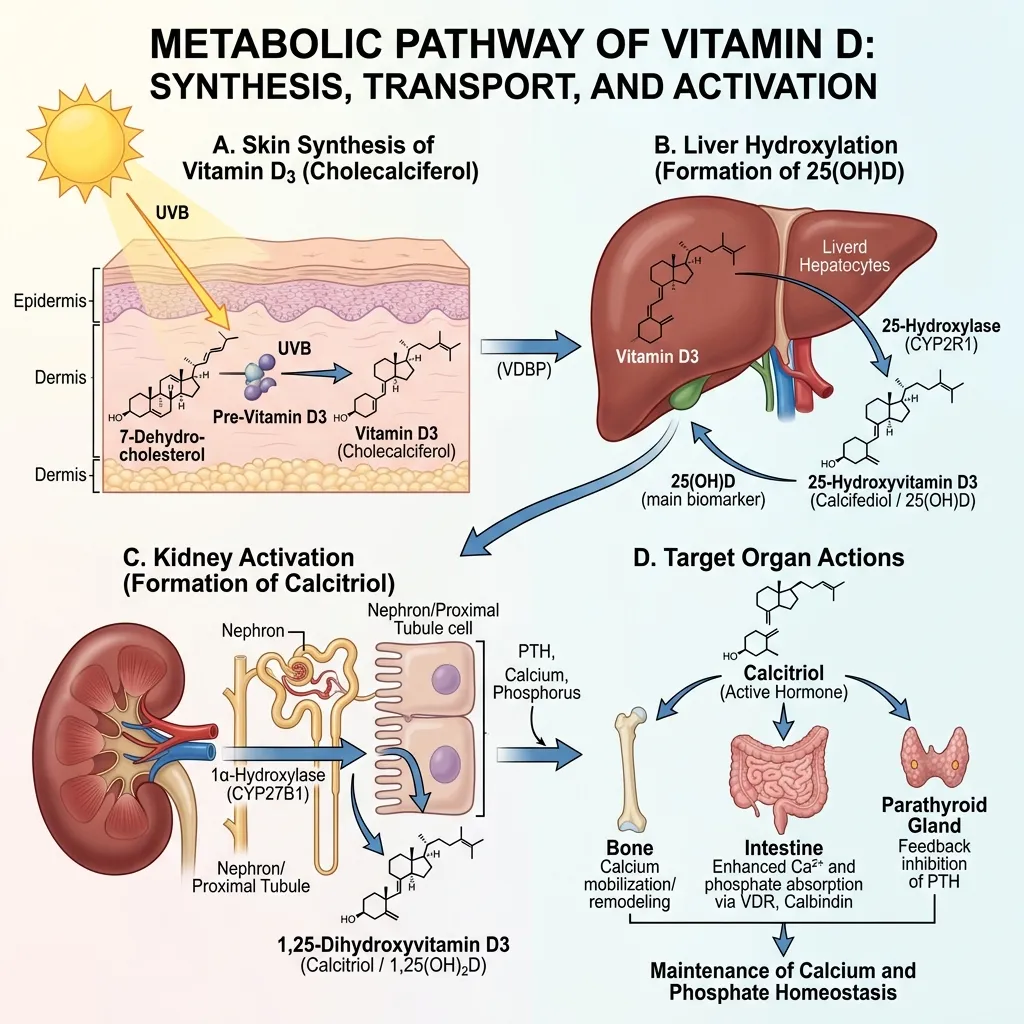
Once absorbed or synthesized, Vitamin D must undergo two conversions—first in the liver, then in the kidneys—to become calcitriol, the active hormone that performs its functions throughout the body.
How Does Vitamin D Support Your Body's Core Functions?
Vitamin D’s importance spans far beyond just bone structure. It acts as a systemic regulator, supporting multiple critical bodily systems.
🦴 Why is Vitamin D Crucial for Bone and Teeth Health?
This is its most well-known role. Vitamin D works synergistically with calcium to ensure your body can build and maintain strong skeletal structures throughout life.
- Calcium Absorption: Calcitriol acts directly on the intestines, dramatically increasing the efficiency of calcium absorption. Without adequate Vitamin D, even if you consume enough dairy or greens, your body struggles to utilize that calcium effectively.
- Preventing Deficiency Conditions: It is essential for preventing:
- Rickets (Children): A condition causing soft and weak bones due to poor mineralization.
- Osteomalacia (Adults): Characterized by bone softening, leading to chronic pain and muscle weakness.
- Osteoporosis: While not a direct cure, maintaining optimal Vitamin D levels is critical for maximizing bone density and reducing fracture risk.
🛡️ Does Vitamin D Support Immune Function?
Yes, research strongly suggests that Vitamin D plays a key role in modulating the immune system. It helps regulate how your immune cells respond to threats.
- Immune Regulation: By binding to receptors on various immune cells (like T and B cells), Vitamin D helps maintain balance—preventing both over-reaction (inflammation) and under-reaction (infection susceptibility).
- Infection Support: Deficiency has been linked to increased susceptibility to common respiratory infections, such as the flu.
✨ What Other Health Benefits Does It Offer?
The research into Vitamin D is constantly expanding, pointing to potential benefits in several other areas:
- Muscle Strength: Optimal levels are necessary for maintaining muscle function and preventing weakness, especially in older adults.
- Cardiovascular Health: It may help regulate blood pressure and support healthy heart rhythms.
- Mental Wellness: Some studies suggest a link between low Vitamin D status and increased risk of mood disorders like depression.
Where Can I Get Enough Vitamin D? (Sources)
Because the body cannot synthesize it from scratch, obtaining sufficient Vitamin D requires a multi-pronged approach involving sun exposure, diet, and supplements.
☀️ Sunlight Exposure: The Natural Source
Your skin is designed to produce Vitamin D when exposed to UVB rays. However, this process is highly variable:
- Time & Season: UVB intensity varies dramatically by time of day (peak hours are best) and season/latitude.
- Skin Pigmentation: People with darker skin require significantly longer sun exposure than those with lighter skin to synthesize the same amount of Vitamin D.
- Caution: While natural, excessive or prolonged sun exposure increases the risk of skin damage and cancer. Always balance sun intake with protection.
🍽️ Dietary Sources: Food-Rich Options
Few foods naturally contain high levels of Vitamin D, but these are the best dietary sources:
- Fatty Fish: Salmon, mackerel, sardines, and tuna are excellent natural sources of Vitamin D3.
- Egg Yolks: Contain small amounts of vitamin D.
- Mushrooms: Some types, especially those exposed to UV light, can contain Vitamin D2.
🥛 Fortified Foods: Boosting Intake
Many common foods have been fortified with Vitamin D to help the general population meet recommended levels:
- Milk and Dairy Alternatives: Most commercial milk is fortified (check labels).
- Cereals and Juices: Many breakfast cereals, orange juices, and yogurts are fortified.
💊 Supplements: When Diet Isn't Enough
Supplements offer the most reliable way to ensure consistent intake, especially during winter or for those with limited sun exposure.
- D3 vs. D2: Vitamin D3 (cholecalciferol) is generally preferred by experts because it mimics the form produced naturally in the skin and is highly effective.
- Consultation is Key: Always talk to a healthcare provider or registered dietitian before starting supplements, as dosage must be tailored to your specific needs and blood levels.
What Does Vitamin D Deficiency Look Like? (Symptoms & Testing)
Vitamin D deficiency is widespread and often presents with subtle symptoms that can easily be mistaken for other conditions.
🚨 Recognizing the Signs of Low Levels
If you are deficient, common signs include:
- Persistent Fatigue: Feeling unusually tired or weak despite adequate sleep.
- Bone Pain/Aches: Generalized aches in the bones and muscles.
- Muscle Weakness: Difficulty performing simple tasks like climbing stairs or standing up quickly.
- Frequent Illness: Increased susceptibility to colds, flu, and infections.
🧪 How Is Deficiency Diagnosed?
The only definitive way to check your Vitamin D status is through a blood test. Your doctor will measure the level of 25-hydroxyvitamin D (25(OH)D) in your blood.
| Status | Concentration Range (ng/mL) | Action Required |
|---|---|---|
| Deficient | Below 20 ng/mL | Requires immediate medical attention and supplementation. |
| Insufficient | 20–30 ng/mL | Supplementation may be recommended to restore optimal levels. |
| Sufficient | 30–100 ng/mL | Optimal range for maintaining bone and immune health. |
⚠️ Warning: Vitamin D Toxicity (Hypervitaminosis D)
While deficiency is common, excessive intake can be dangerous. Taking too many supplements without medical supervision can lead to toxicity (hypercalcemia), causing high blood calcium levels. Symptoms include nausea, vomiting, weakness, and kidney issues. Never exceed the recommended dosage or ignore professional advice.
Summary & Next Steps for Optimal Health
Vitamin D is a foundational nutrient that supports everything from strong bones to robust immunity. While sunlight exposure is ideal, lifestyle factors—such as geography, age, skin tone, and seasonal changes—mean that supplementation is often necessary year-round.
To maintain optimal Vitamin D levels:
- Prioritize Balance: Incorporate fatty fish and fortified foods into your diet.
- Manage Sun Exposure: Get safe, moderate sun exposure when possible, but always prioritize skin protection.
- Test Regularly: Do not guess. Schedule a blood test to determine your precise 25(OH)D level.
- Follow Medical Advice: Use supplements only under the guidance of a healthcare professional who can recommend the correct dosage for your specific needs.
By taking these proactive steps, you can ensure that this "sunshine vitamin" plays its vital role in supporting your overall well-being.
Frequently Asked Questions
The most accurate method is a blood test measuring 25-hydroxyvitamin D (25(OH)D). Consult your doctor for recommended levels.
While sunlight is the primary source, factors like latitude, season, skin pigmentation, and sunscreen use can limit production. Supplementation may be necessary year-round.