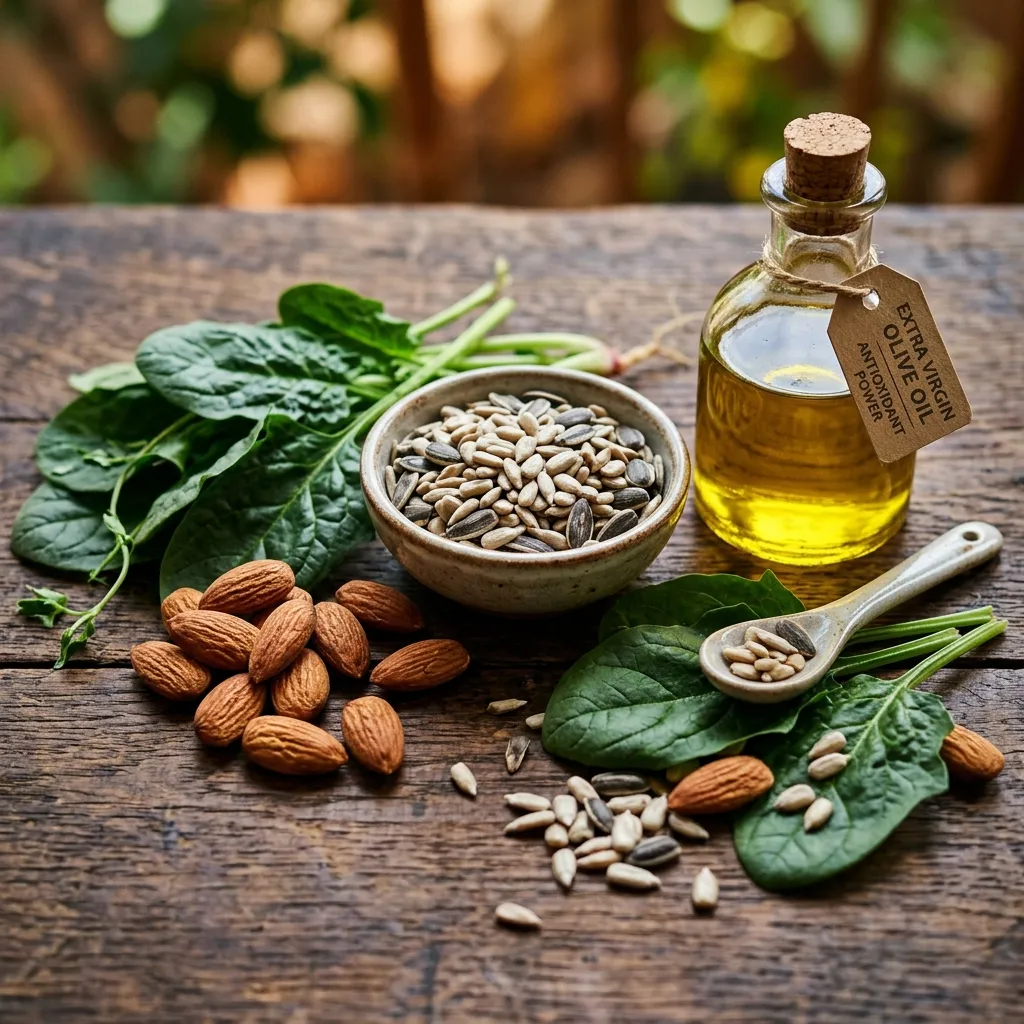
What is Vitamin E and Why Is It Crucial for Your Body?
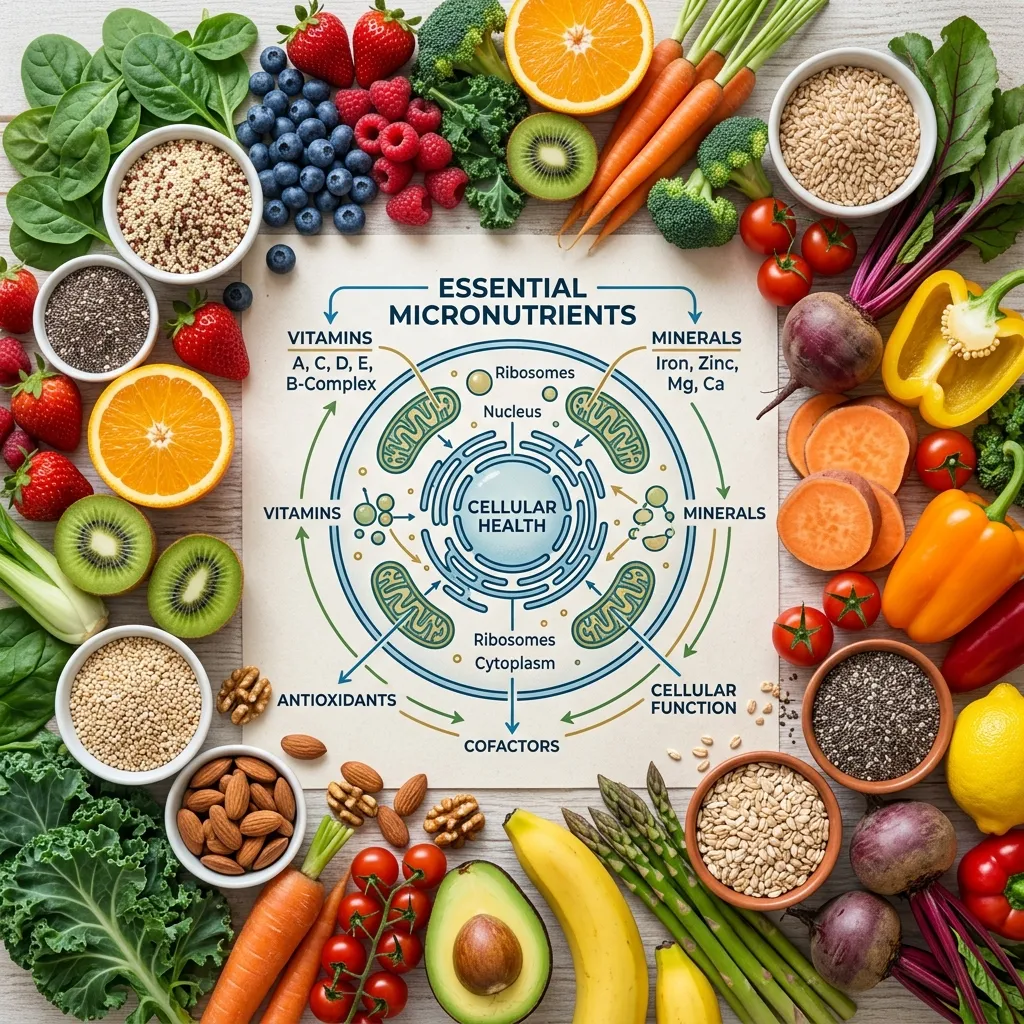
Vitamin E, scientifically known as tocopherol, is a powerful fat-soluble antioxidant that plays a critical role in protecting your cells from damage caused by unstable molecules called free radicals. Think of it as your body's internal shield: it neutralizes these harmful compounds, which are generated naturally during metabolism or exposure to pollution and UV rays. By stabilizing cell membranes and supporting vital systems like the immune system, Vitamin E is essential for maintaining overall health and preventing premature aging.
How Does Vitamin E Work as an Antioxidant?
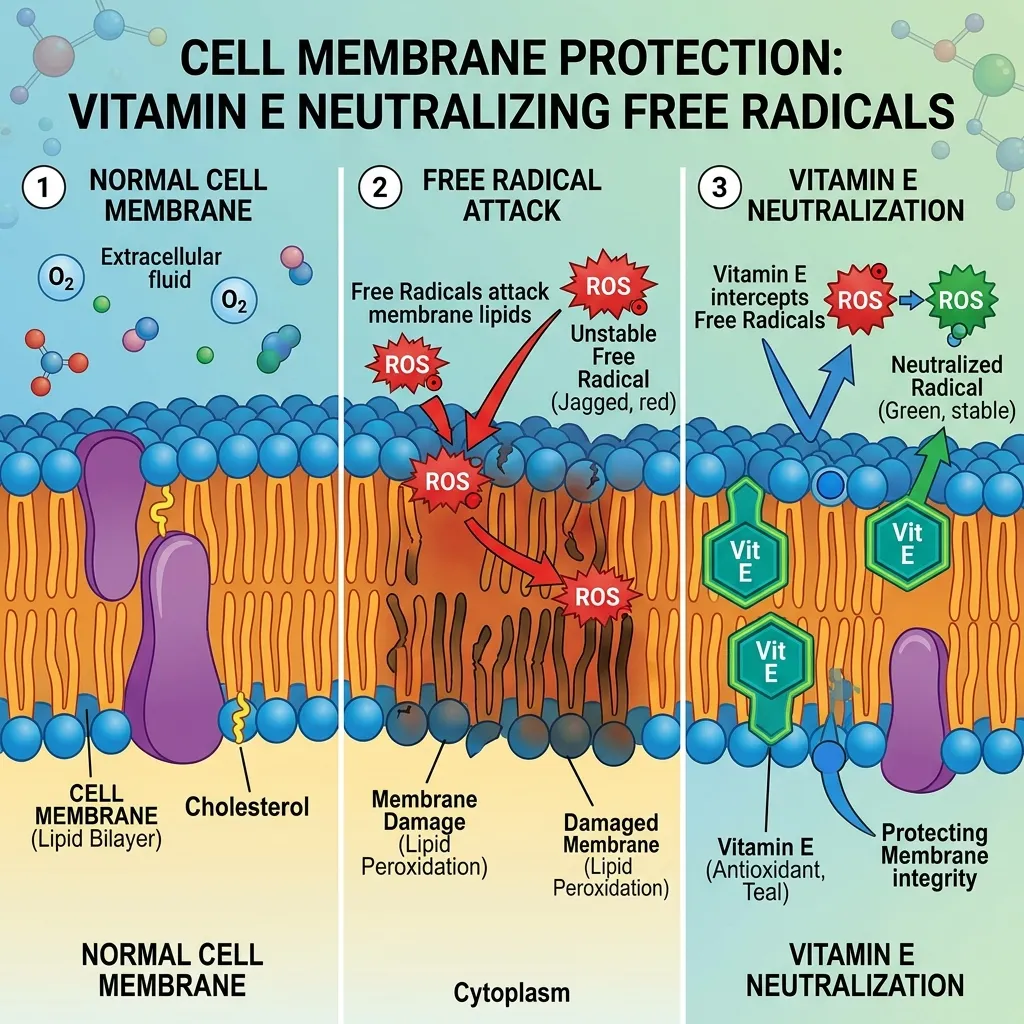
Vitamin E's primary function is its antioxidant capability. To understand this, it helps to know what free radicals are: they are highly reactive molecules that steal electrons from other stable molecules (like those in your cell membranes). This theft process causes oxidative stress, which damages DNA, proteins, and fats—a key contributor to aging and chronic diseases.
- The Mechanism: Vitamin E steps in and donates an electron to the free radical, stabilizing it and rendering it harmless.
- Cell Protection: Because cell membranes are primarily composed of fats (lipids), they are particularly vulnerable to oxidation. By protecting these fatty layers, Vitamin E keeps your cells strong and functional.
What Are the Key Roles of Vitamin E in Health?
Vitamin E supports multiple bodily systems. Here is a breakdown of its most important functions:
- 🛡️ Cell Membrane Integrity: It prevents lipid peroxidation, which is the deterioration of fats within cell walls, keeping them flexible and intact.
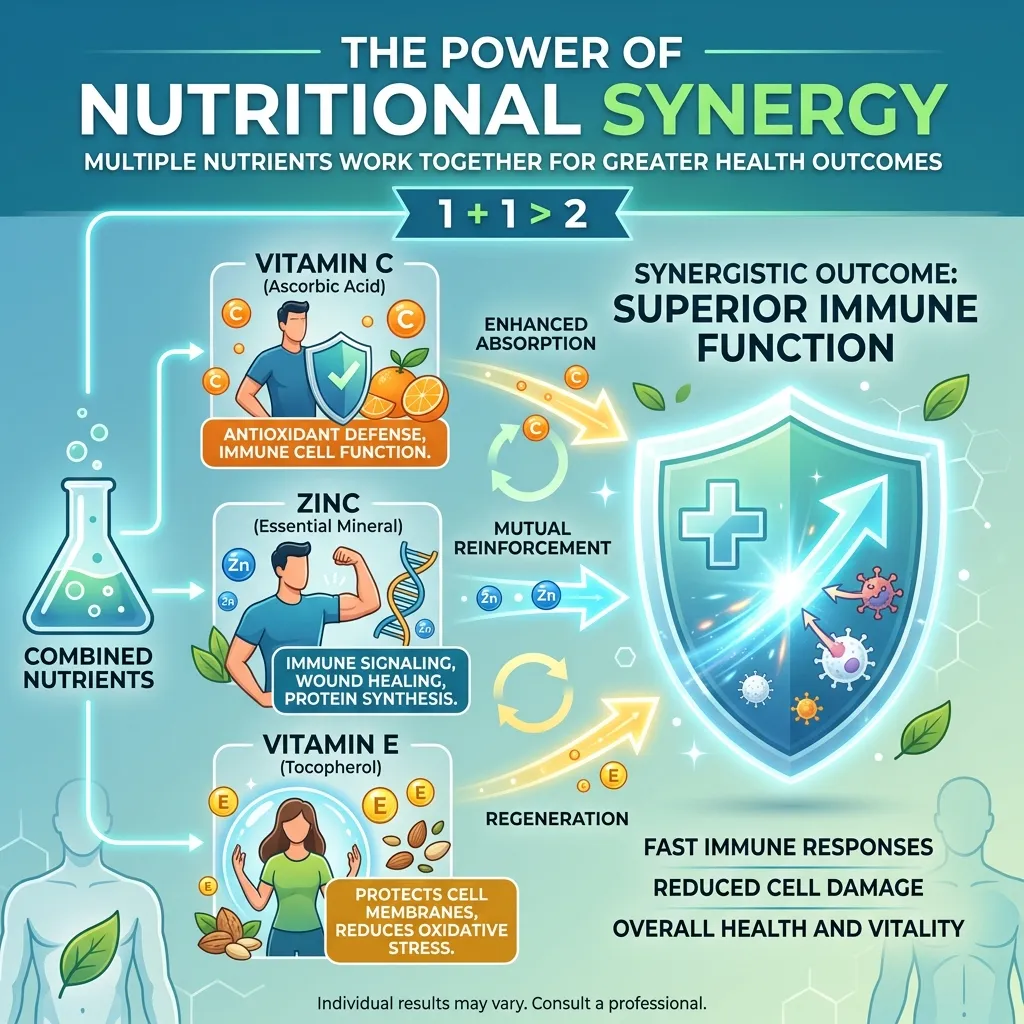
- 💪 Immune System Support: Vitamin E helps maintain robust immune function by supporting the production and activity of key immune cells, helping your body fight off infections efficiently.
- ❤️ Cardiovascular Health: By preventing the oxidation of LDL cholesterol ("bad" cholesterol), Vitamin E can help reduce the risk of plaque buildup in the arteries (atherosclerosis).
- ✨ Skin and Eye Health: Its antioxidant properties protect skin from environmental damage, including UV rays and pollution. It is also vital for maintaining healthy vision and may play a role in reducing the risk of age-related macular degeneration (AMD).
Where Can You Find Enough Vitamin E? (Dietary Sources)
The best way to get Vitamin E is through a varied, balanced diet. Unlike many people who rely on supplements, most individuals can meet their needs by eating nutrient-rich foods. Because it is fat-soluble, remember that consuming it with healthy fats helps your body absorb it efficiently.
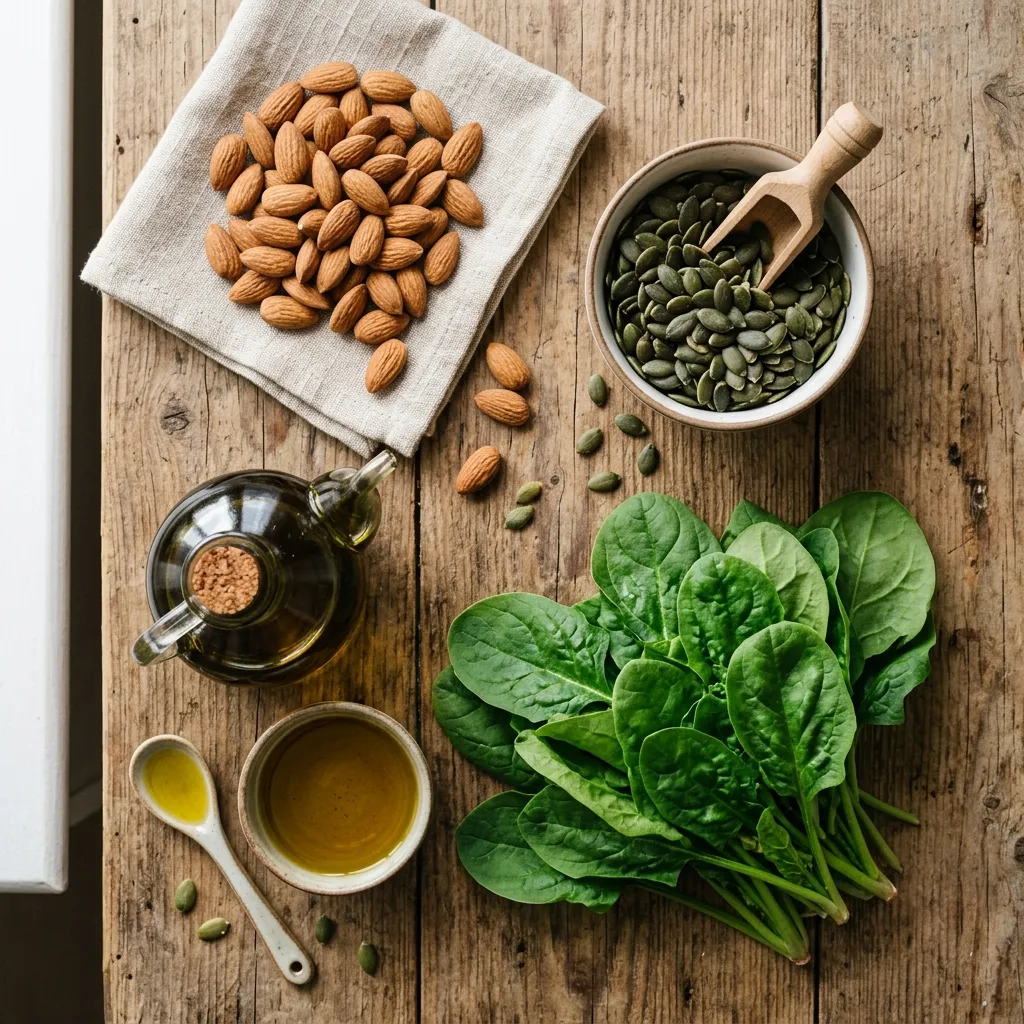
Top Food Sources to Boost Your Intake:
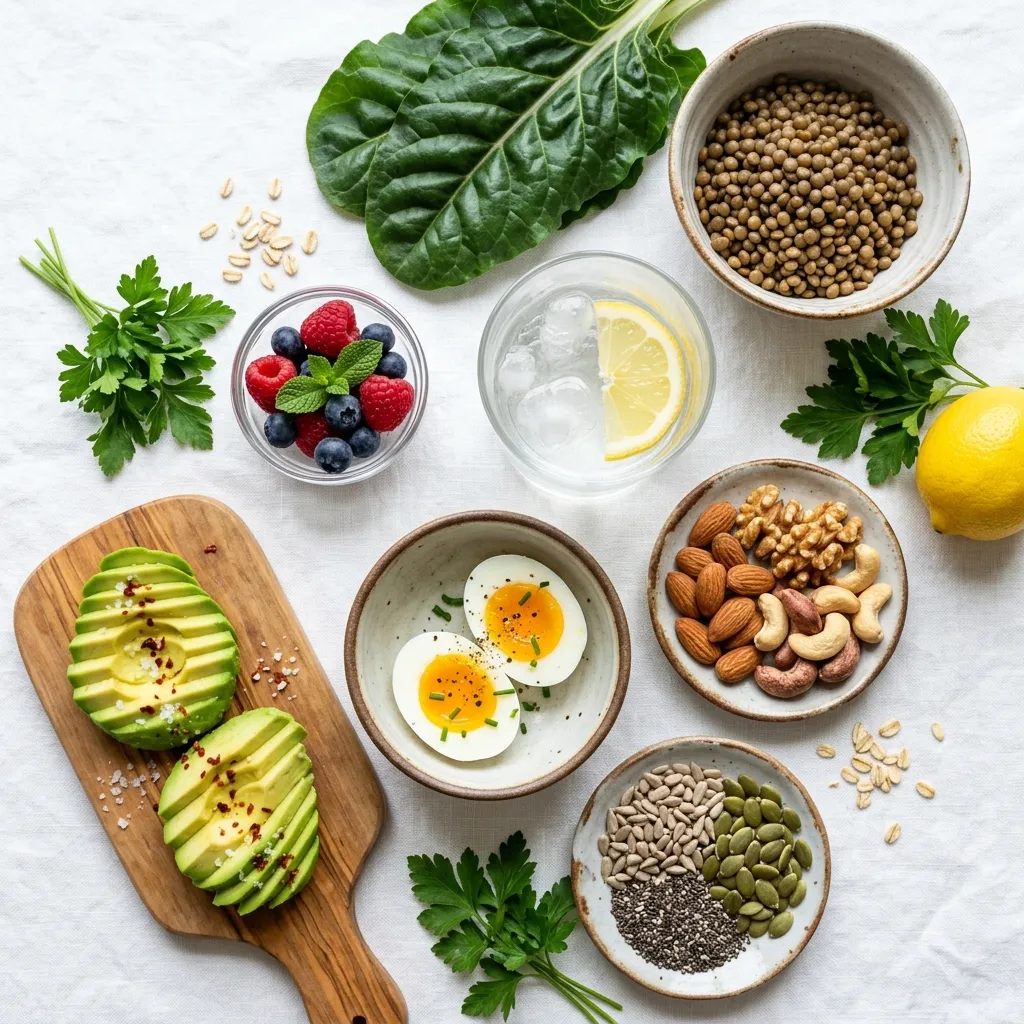
- Nuts: Almonds, hazelnuts, and peanuts are excellent sources.
- Seeds: Sunflower seeds and pumpkin seeds are highly concentrated in Vitamin E.
- Vegetable Oils: Wheat germ oil, sunflower oil, and safflower oil are rich sources (use sparingly due to strong flavor).
- Greens: Spinach and broccoli contribute smaller but valuable amounts of this nutrient.
💡 Maximizing Absorption Tips:
- Snack Smart: Keep a mix of almonds or walnuts on hand for an easy, Vitamin E-rich snack.
- Dressings Matter: Use olive oil or sunflower oil in salad dressings to combine healthy fats with your meal.
- Add Seeds: Sprinkle pumpkin seeds over yogurt, salads, or oatmeal for an instant boost.
How Much Vitamin E Do You Need? (Dosage and Safety)
Understanding the recommended intake and potential risks is crucial for safe supplementation.
🎯 Recommended Daily Allowance (RDA)
The general RDA for adults is 15 mg of Vitamin E per day. This amount is typically achieved through a diverse diet, making supplements unnecessary unless advised by a healthcare professional.
⚠️ Potential Risks: Toxicity and Interactions
While generally safe, excessive intake can be harmful. The upper tolerable limit from supplements is 1,000 mg (1,500 IU) per day.
- Bleeding Risk: High doses of Vitamin E can interfere with blood clotting mechanisms, increasing the risk of bleeding.
- Medication Interactions: It can interact dangerously with common medications, especially blood thinners (anticoagulants) and certain antiplatelet drugs. Always inform your doctor about all supplements you take.
🚨 Deficiency Symptoms: When to Worry
Vitamin E deficiency is rare in developed countries but can occur due to specific medical conditions or poor absorption. Signs of deficiency may include:
- Neuropathy: Numbness, tingling, and weakness in the extremities.
- Muscle Weakness (Myopathy): Difficulty with physical movement.
- Vision Issues: Problems related to retinal health.
❓ Should I Take Vitamin E Supplements?
For most people, a balanced diet is sufficient. However, supplementation may be necessary for specific groups:
- Individuals diagnosed with malabsorption disorders (e.g., Celiac disease).
- People who follow highly restrictive diets lacking in healthy fats and nuts.
- Those advised by a doctor to correct a confirmed deficiency.
Crucial Safety Reminder: Never start or change a supplement regimen without consulting your physician first.
🔬 The Science: Vitamin E and Specific Health Concerns
Research into Vitamin E's role in complex diseases is ongoing, and the scientific consensus remains cautious. While it shows promise, these benefits are not guaranteed by supplementation alone.
Cardiovascular Disease
Vitamin E’s antioxidant properties may help prevent the oxidation of LDL cholesterol. However, large-scale clinical trials have shown mixed results, indicating that a heart-healthy diet (low in saturated fats) and regular exercise remain the most powerful preventative measures.
Eye Health (AMD)
The Age-Related Eye Disease Study (AREDS) demonstrated that a specific combination of antioxidants—including Vitamin E, C, beta-carotene, zinc, and copper—can slow the progression of advanced AMD for high-risk individuals. This highlights the importance of nutrient synergy over single supplements.
Cancer Prevention
The link between Vitamin E supplementation and cancer prevention is complex. While some observational studies suggest a benefit, randomized controlled trials have not consistently proven that taking high doses prevents cancer. The role of diet remains paramount.
Summary & Next Steps for Optimal Health
Vitamin E is an invaluable nutrient that acts as a protective shield for your cells. By prioritizing whole foods like nuts, seeds, and healthy oils, you can naturally meet your daily needs while supporting cell integrity and immune function.
Your Action Plan:
- Eat the Rainbow (and the Nuts): Incorporate almonds, sunflower seeds, and dark leafy greens into every meal.
- Prioritize Diet Over Pills: View Vitamin E as a dietary component first, and a supplement second.
- Consult Your Expert: If you have chronic conditions or take medications, always discuss your nutrient intake with your healthcare provider to prevent dangerous interactions.
Disclaimer: This article is for informational purposes only and is not medical advice. Always consult a qualified healthcare professional for diagnosis and treatment.
Frequently Asked Questions
Yes. For most healthy individuals, a balanced diet rich in nuts, seeds, and vegetable oils provides sufficient amounts of this essential nutrient.
Always consult your doctor first. Supplements are usually only necessary if you have malabsorption issues or a diagnosed deficiency.