What Role Do Vitamins Play in Immune Function?
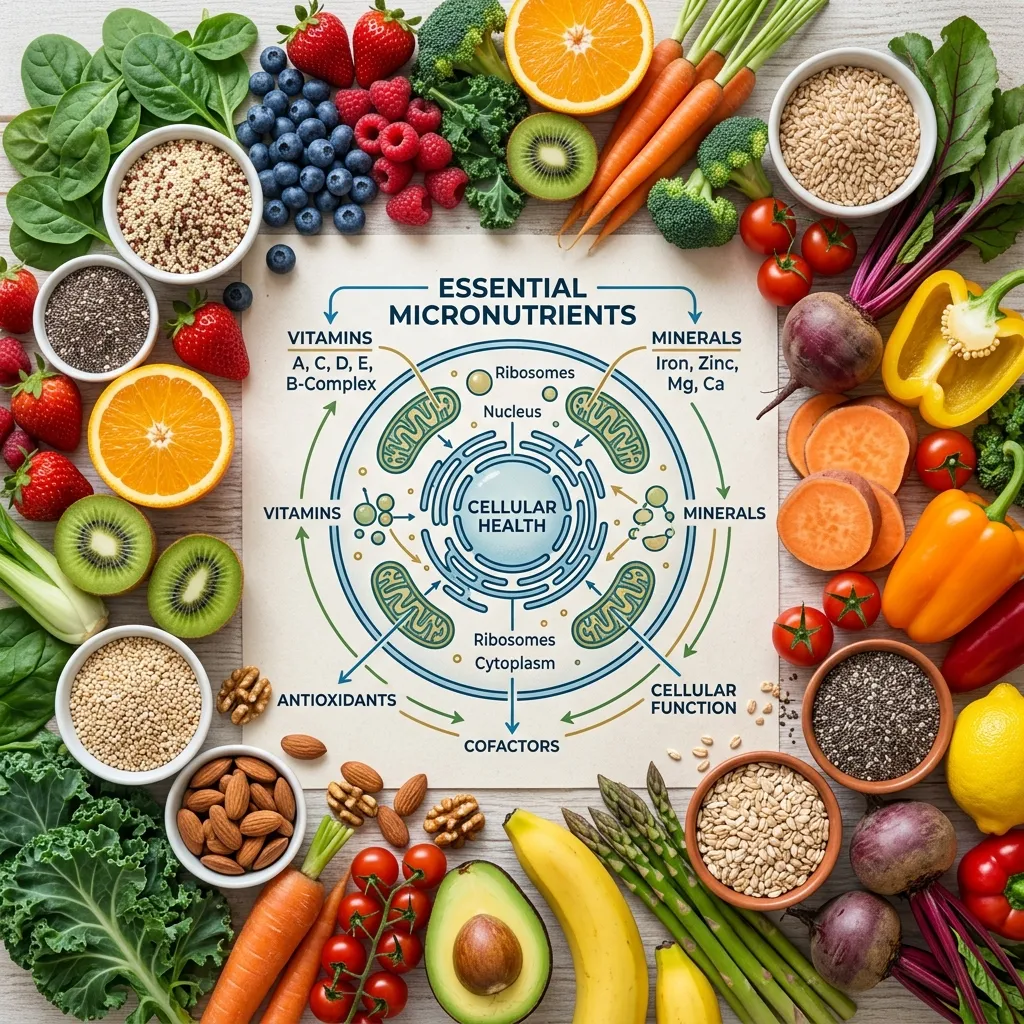
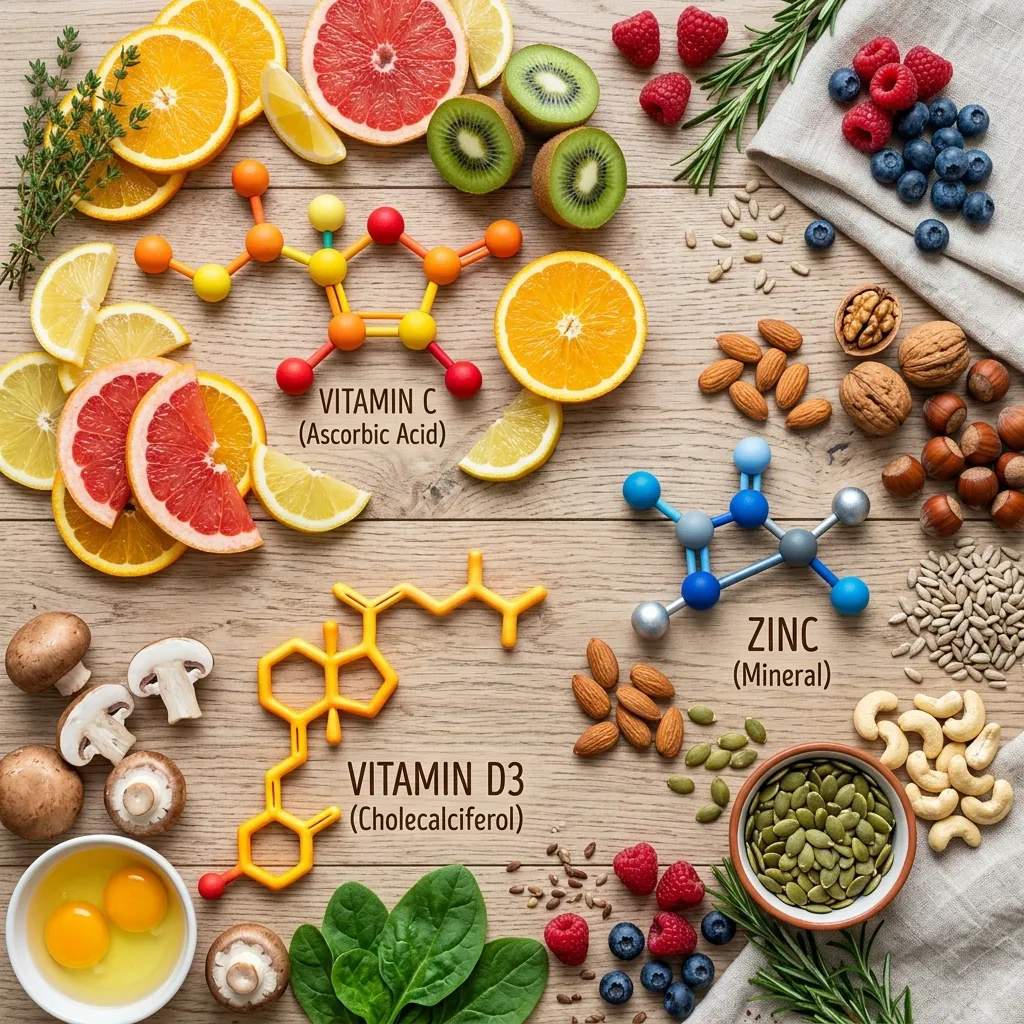
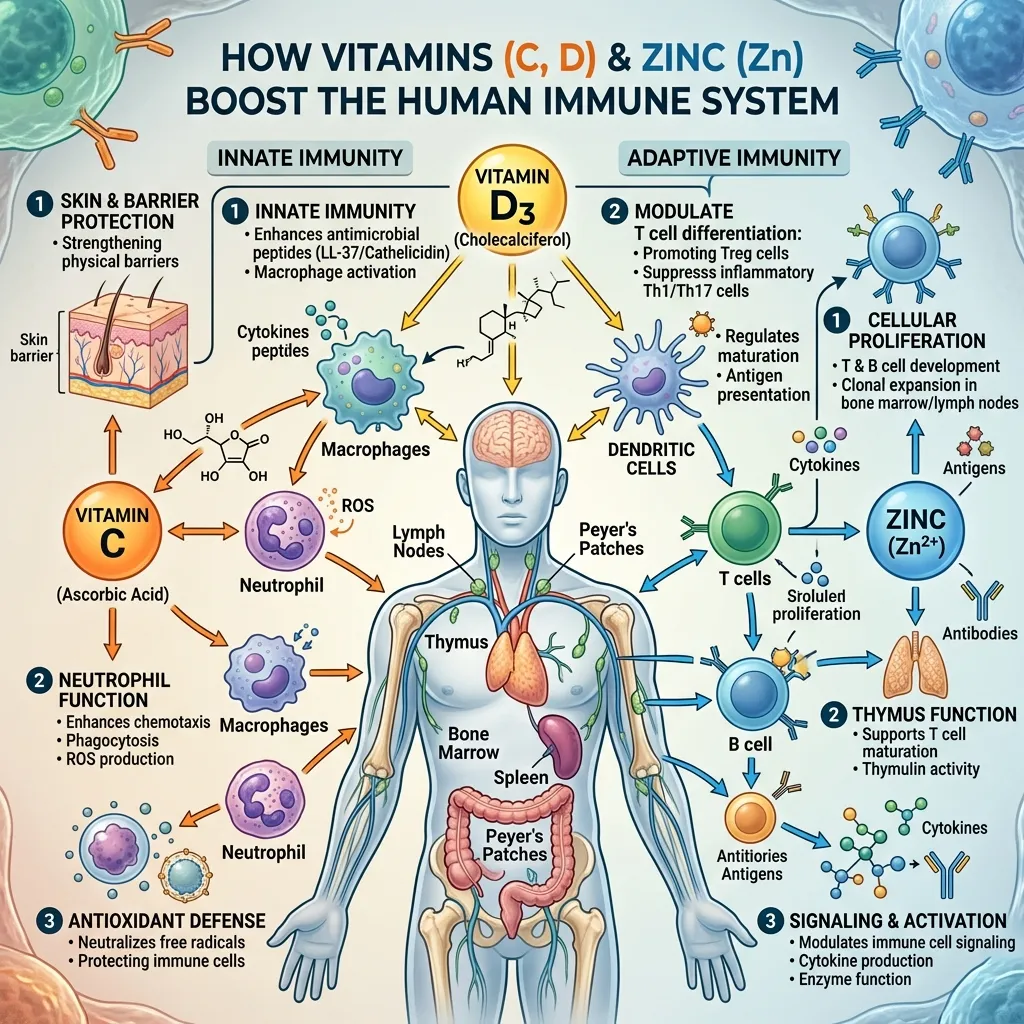
Your immune system is your body's sophisticated defense network—a complex army constantly patrolling to neutralize pathogens like viruses and bacteria. While a healthy lifestyle forms the foundation of immunity, specific vitamins and minerals act as critical co-factors that allow this "army" to function optimally. Vitamin C, Vitamin D, and Zinc are three powerhouse nutrients recognized for their vital roles in supporting immune cell development, reducing inflammation, and protecting your body's natural defenses.
Why is a Strong Immune System Essential?
A well-functioning immune system is not just about fighting colds; it is fundamental to overall health and longevity. It acts as the body's primary defense mechanism against everything from common infections to chronic diseases.
- Fighting Infections: A robust immunity allows your body to mount a rapid, effective response when exposed to pathogens like influenza or bacteria.
- Tissue Repair: Immune cells are crucial for clearing damaged tissue and facilitating the healing process after injury.
- Preventing Chronic Disease: By maintaining immune balance and reducing chronic inflammation, a strong system helps mitigate the risk of various long-term health issues.
How Does Immunity Work?
The immune response involves specialized cells (like lymphocytes and macrophages) that identify foreign invaders (antigens). Once identified, these cells launch targeted attacks—a process that requires constant energy and specific nutrients to execute successfully.
Vitamin C: The Antioxidant Shield
Vitamin C (ascorbic acid) is a water-soluble vitamin famous for its potent antioxidant properties. It doesn't just boost immunity; it helps maintain the integrity of immune cells themselves, protecting them from damage caused by inflammation.
How Does Vitamin C Support Immune Cells?
- Antioxidant Protection: Vitamin C neutralizes free radicals, which are unstable molecules that can damage cell membranes and impair immune function. By acting as a shield, it keeps your white blood cells healthy and operational.
- Boosting Cell Production: It is essential for stimulating the production and activity of key immune components, including lymphocytes (which target specific threats) and phagocytes (which engulf and destroy invaders).
- Supporting Barriers: Vitamin C strengthens epithelial barriers—such as your skin and mucous membranes. These physical barriers are the body's first line of defense, preventing pathogens from entering in the first place.

Where Can I Find Vitamin C Naturally?
While supplementation is an option, diet remains the best source. Focus on incorporating these nutrient-dense foods into your daily meals:
- Citrus Fruits: Oranges, grapefruits, and lemons are classic sources.
- Berries: Strawberries, blueberries, and raspberries offer high levels of Vitamin C alongside other antioxidants.
- Cruciferous Vegetables: Broccoli and bell peppers (especially red) are excellent, often overlooked sources.
- Leafy Greens: Spinach provides a good dose along with other essential minerals.
💡 Supplementation Note:
The recommended daily intake for adults is generally 75–90 mg. Always consult your healthcare provider before taking high doses, as excessive amounts can cause digestive upset.
Vitamin D: The Sunshine Regulator
Often called the "sunshine vitamin," Vitamin D is a fat-soluble nutrient that plays a profound role far beyond just bone health. It acts as an immune modulator, helping to keep the body's defenses balanced and effective.
What Is Vitamin D’s Role in Immunity?
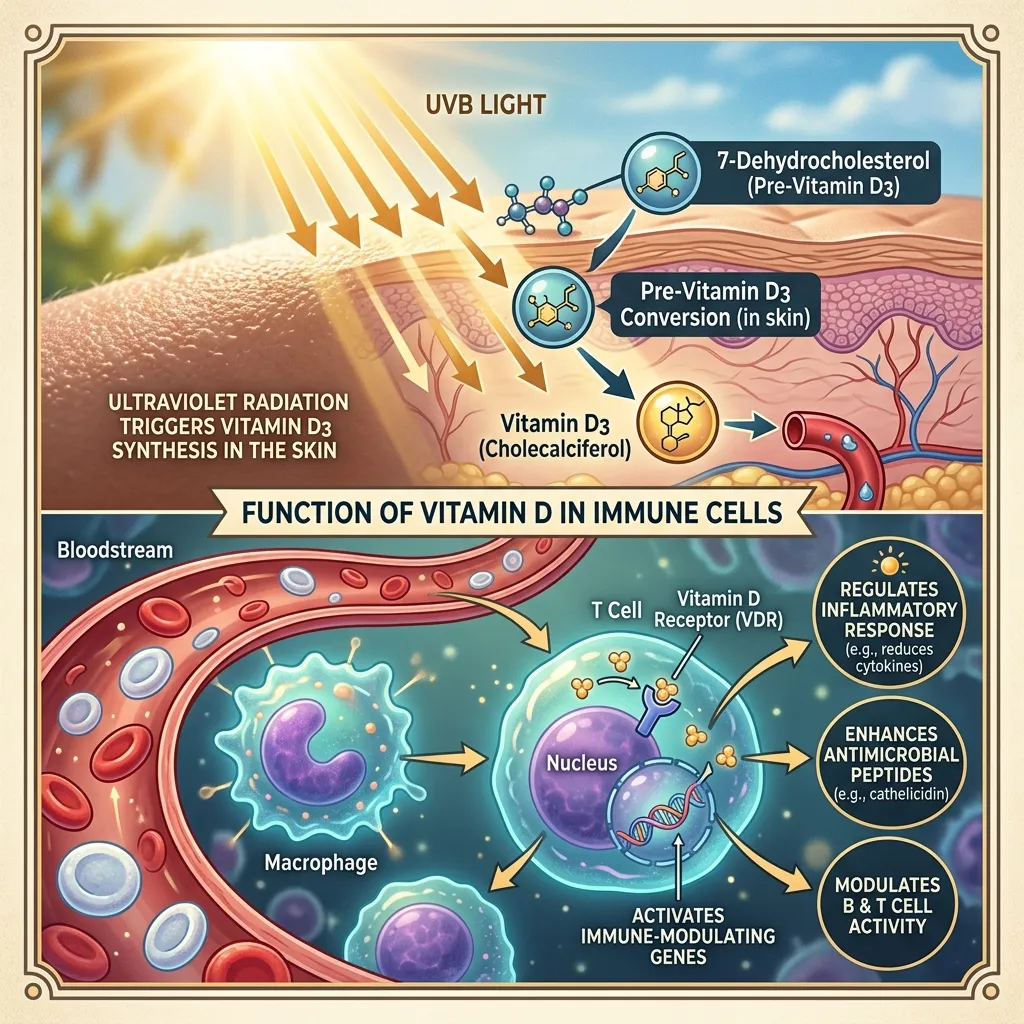
Vitamin D doesn't directly fight viruses; rather, it regulates how your immune system responds. This regulation is crucial because excessive inflammation can be just as damaging as infection itself.
- Modulating Immune Response: Adequate Vitamin D helps balance the immune response, preventing both insufficient defense and harmful overreactions (hyper-inflammation).
- Antimicrobial Defense: It stimulates the production of antimicrobial peptides—natural compounds that directly fight off bacteria and viruses by disrupting their membranes.
- Reducing Infection Risk: Studies consistently link sufficient Vitamin D levels to a reduced risk of respiratory infections, including seasonal flu and pneumonia.
How Do I Get Enough Vitamin D?
- Sunlight Exposure: The primary source is UVB radiation from the sun. However, factors like latitude, sunscreen use, and seasonal changes limit natural production.
- Dietary Sources: Fatty fish (salmon, mackerel), fortified milk, and egg yolks contain Vitamin D.
- Supplementation: Due to modern lifestyles, many people require supplementation.
⚠️ Important Consideration: Testing is Key
Because deficiency can be subtle, it is highly recommended that you have a blood test to determine your specific Vitamin D levels before starting any regimen. The RDA for adults is often cited as 600 IU (15 mcg), but personalized dosing is necessary.
Zinc: The Mineral Defender
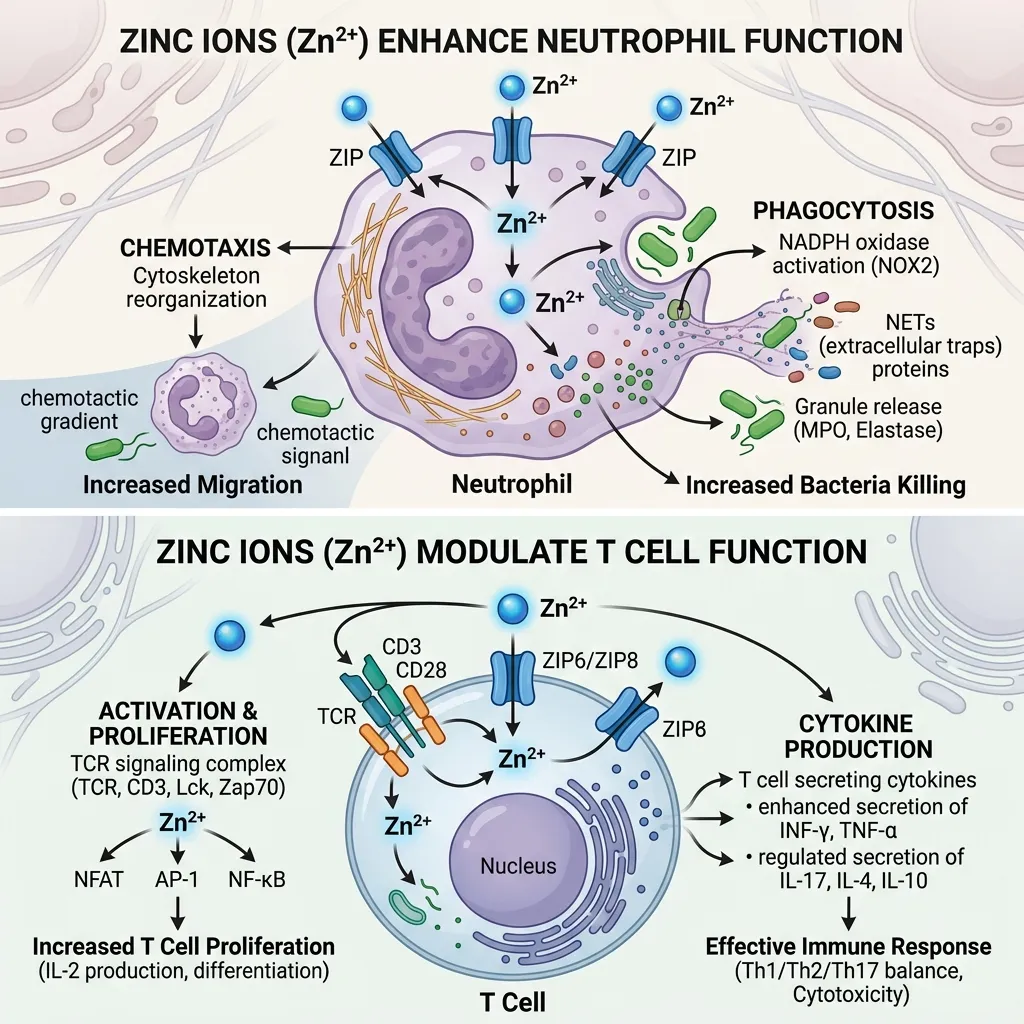
Zinc is an essential mineral critical for the development, communication, and function of immune cells. It acts like a master regulator, ensuring that your body's defenses are built correctly and operate efficiently.
How Does Zinc Support Immune Function?
- Immune Cell Development: Zinc is vital for the proper maturation and function of key immune fighters, including neutrophils (the first responders) and T lymphocytes. Deficiency can impair these cells severely.
- Anti-Infection Action: It enhances the activity of natural killer cells, which are responsible for identifying and destroying virus-infected or cancerous cells.
- Balancing Inflammation: Zinc helps maintain immune balance by regulating inflammatory signals, preventing both insufficient response and damaging overreactions.
What Are the Best Dietary Sources of Zinc?
Zinc is relatively easy to obtain through a varied diet, but some sources are more potent than others:
- Oysters: Considered one of the richest natural sources.
- Red Meat (Beef): Provides highly bioavailable zinc.
- Seeds and Nuts: Pumpkin seeds and cashews are good plant-based options.
- Legumes: Beans and lentils offer valuable zinc, especially for vegetarian diets.
💊 Supplementation Guidelines:
The recommended daily intake is generally 8–11 mg. Be cautious with dosage; taking excessive amounts can interfere with the absorption of other minerals, particularly copper. Always take zinc supplements with food to minimize stomach upset.
Beyond Supplements: The Holistic Approach to Immunity
While Vitamin C, D, and Zinc are powerful tools, they are only part of a comprehensive immune strategy. True immunity comes from optimizing your entire lifestyle.
🥗 Nutrition and Diet
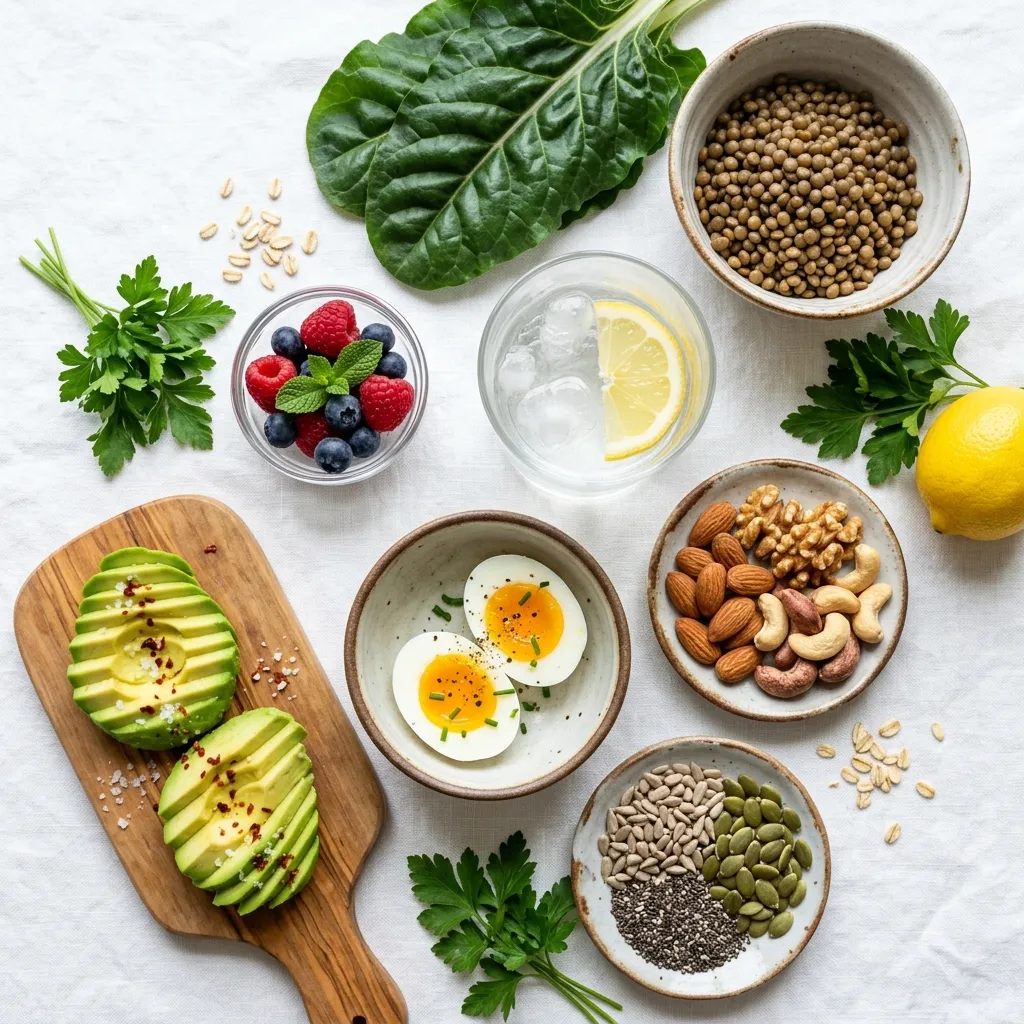
Focus on nutrient density over calorie count. Incorporate foods rich in Vitamin A (sweet potatoes), Vitamin E (nuts/seeds), and Zinc-rich sources into every meal. Prioritize whole, unprocessed foods.
💪 Physical Activity
Regular exercise—even moderate walking—boosts circulation, allowing immune cells to patrol the body more efficiently. Aim for consistency rather than intensity.
😴 Sleep Quality
Sleep is when your body performs its most critical maintenance tasks. During deep sleep cycles, your body produces and regulates cytokines, which are proteins essential for fighting infection. Aim for 7–9 hours of quality rest nightly.
🧘 Stress Management
Chronic stress elevates cortisol levels, which can suppress the immune system over time. Dedicate time daily to stress-reducing practices such as:
- Meditation or deep breathing exercises.
- Yoga or gentle stretching.
- Spending time in nature (outdoors).
Summary & Next Steps
Maintaining a strong immune system is an ongoing commitment, not a one-time fix. By ensuring adequate intake of Vitamin C, Vitamin D, and Zinc, while simultaneously prioritizing sleep, nutrition, and stress management, you empower your body's natural defenses to thrive. Remember that consistency in these healthy habits yields the best long-term results.
Disclaimer: This article is for informational purposes only and should not replace professional medical advice. Always consult with a qualified healthcare provider or registered dietitian before making any changes to your diet, exercise routine, or supplement regimen.
Frequently Asked Questions
While supplements can fill nutritional gaps, a strong immune system requires a holistic approach. Focus first on a balanced diet, adequate sleep, and stress management.