
Introduction: Lizzo's Public Health Journey
Lizzo — Grammy-winning singer, flutist, and one of pop music's most vocal body-positivity advocates — has navigated a uniquely public conversation about her health. Long known for challenging unrealistic beauty standards, Lizzo has also been open about her own evolving relationship with health, fitness, and her body.
Her story is nuanced: she has spoken about working toward better fitness and making lifestyle adjustments, while simultaneously refusing to frame those efforts through a lens of shame or aesthetic pressure. That balance makes her journey particularly instructive for anyone trying to separate personal health goals from external judgement.
What Has Lizzo Said About Her Weight Loss?
Lizzo has addressed changes in her body across interviews and social media, often in the context of broader discussions about health and self-acceptance. She has spoken about making conscious choices around nutrition and exercise for how she feels, not primarily for how she looks.
She has been candid that wellness for her is about energy, strength, and emotional wellbeing — not a particular number on the scale. At various points she has referenced working with personal trainers and making dietary adjustments, while also pushing back against the narratives that celebrity weight changes must be explained or justified.
Importantly, Lizzo has consistently resisted the idea that her body is a public object for comment — while still choosing to share parts of her journey on her own terms.
What Approach Did She Describe Using?
From her public statements, several consistent elements emerge regarding her approach to wellness:
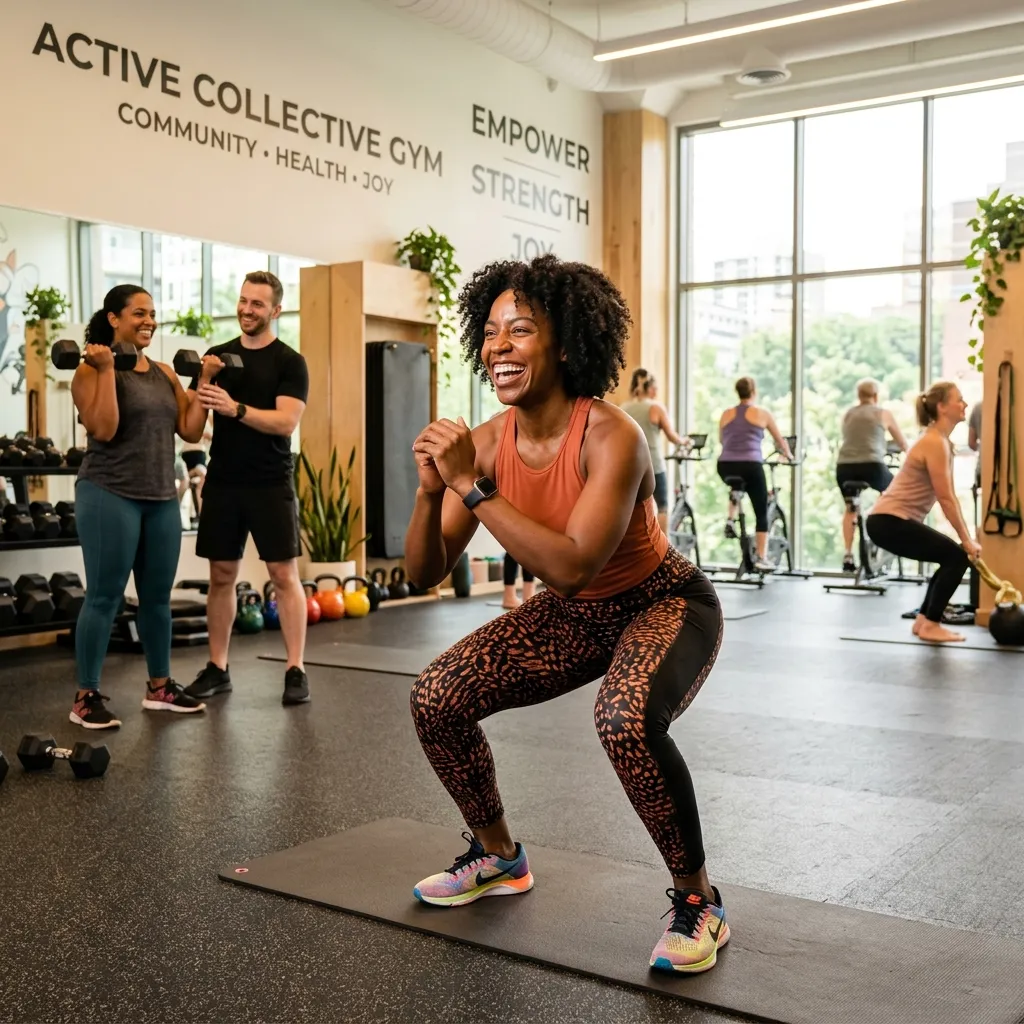
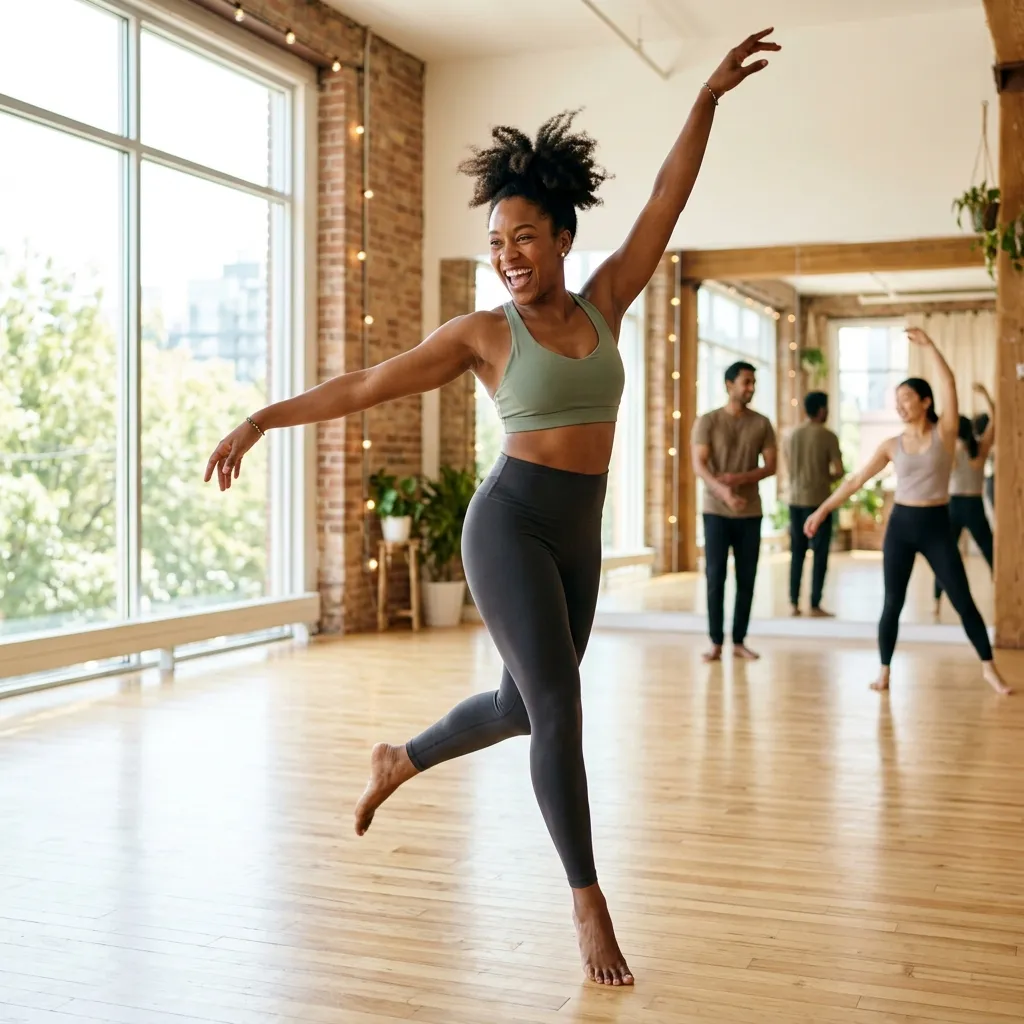
- Consistent exercise: Lizzo has long spoken about incorporating regular physical activity into her life, including dance, which she has practiced professionally since childhood. More recently she has referenced more structured fitness routines.
- Dietary adjustments: She has mentioned a plant-based dietary approach at various points, focusing on food quality rather than extreme restriction.
- Mental and emotional health: Perhaps the most distinctive element of her public wellness narrative is its psychological dimension — Lizzo has spoken openly about therapy, self-acceptance, and treating her body with respect regardless of its size.
- Working with professionals: She has referenced support from trainers and health professionals as part of her approach.
How Has She Talked About Body Image Along the Way?
Body image has been central to Lizzo's public persona from the start of her career, and it remains inseparable from her wellness narrative. She has consistently used her platform to challenge the idea that only certain body types represent health or beauty.
At the same time, she has spoken thoughtfully about the distinction between self-love and ignoring health. In her framing, body positivity does not mean rejecting health goals — it means pursuing them without shame or self-hatred. That nuance is important, and it aligns with emerging research on how psychological approaches to health change actually improve long-term outcomes.
Key positions she has publicly articulated include:
- Health looks different on different bodies — weight is not the only or primary measure of wellness
- Sustainable habits matter more than dramatic transformations — consistency over crash changes
- External commentary about bodies is harmful — even when framed as concern
Healthy Takeaways: Expert Insights on Balanced Approaches
Lizzo's articulated approach — wellness without shame — is not just philosophically appealing; it's well-supported by behavioral health research.
1. Weight stigma harms health outcomes Studies consistently show that weight-based stigma and shame increase stress, disordered eating behaviors, and healthcare avoidance. Approaching health goals from a place of self-respect, rather than self-criticism, produces better adherence and mental health outcomes.
2. Sustainable behavior change requires psychological safety The most evidence-supported frameworks for long-term weight management emphasize autonomy, internal motivation, and emotional wellbeing — not willpower or restriction. Lizzo's approach, as she has described it, fits this model.
3. Physical activity for health vs. punishment Movement that is enjoyable and sustainable — like dance — is consistently associated with better long-term adherence than exercise approached as punishment for food consumption. Finding activities that feel good is a genuine public health recommendation.
4. Plant-forward dietary patterns have broad support If she has followed a plant-focused approach, that aligns with extensive evidence linking plant-rich diets to reduced risk of cardiovascular disease, metabolic conditions, and all-cause mortality.
Conclusion: What Her Journey Teaches Us
Lizzo's wellness story resists easy summary — and that's what makes it valuable. Rather than a before-and-after narrative, it offers something more honest: an ongoing process of pursuing health while maintaining dignity, rejecting shame as a motivational tool, and setting personal goals on your own terms.
For readers, the most transferable lessons are:
- Pursue health because you value your body, not because you're ashamed of it
- Sustainable changes — consistent movement, improved food quality, emotional support — outperform dramatic interventions
- Weight change is not a prerequisite for improved health; many health markers improve with lifestyle changes regardless of scale movement
This article is for informational purposes only and is not a substitute for professional medical or nutritional advice. Always consult a qualified healthcare provider before making significant dietary or lifestyle changes.