
What is the Connection Between Creativity and Mental Wellness?
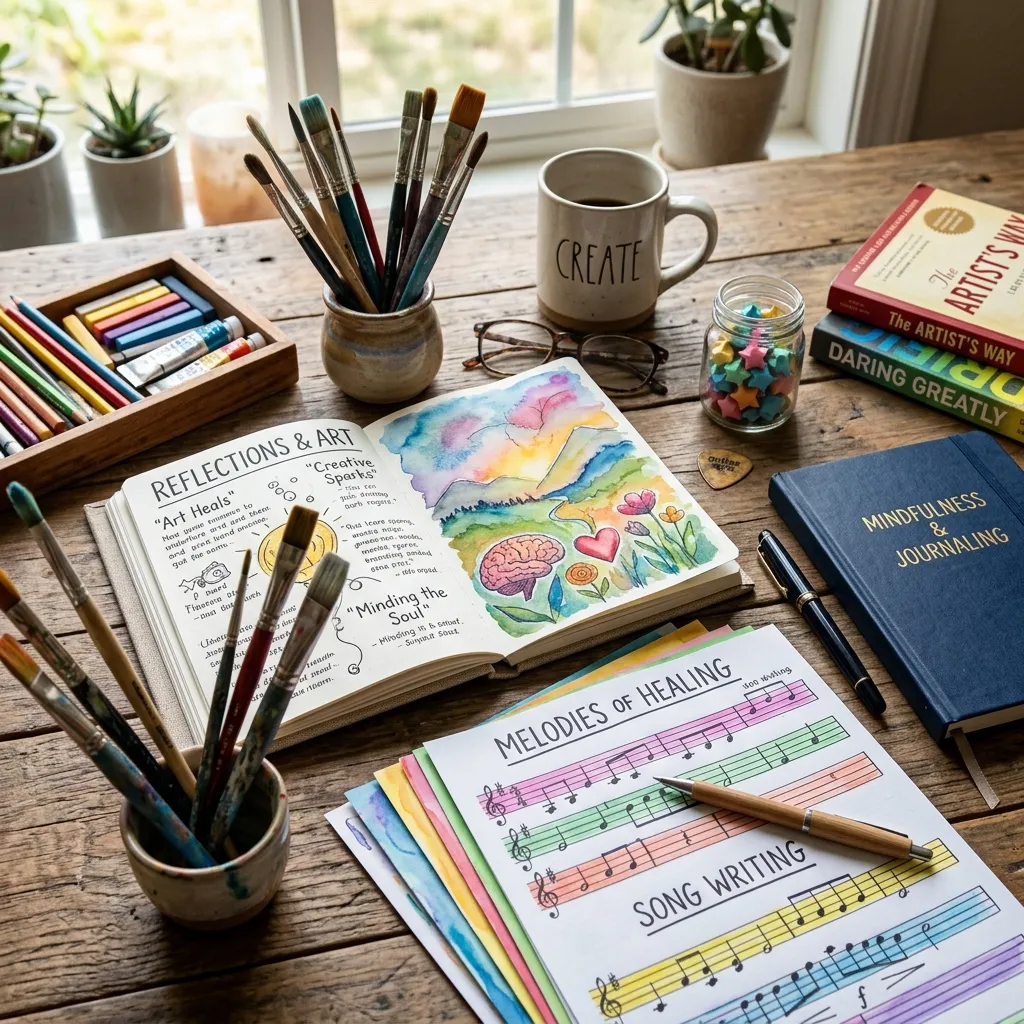
Engaging in creative activities—whether through writing, painting, or playing music—is a powerful form of self-care that directly supports mental wellness. These practices activate different parts of the brain, promoting emotional release, reducing cortisol levels (the stress hormone), and enhancing cognitive function. Crucially, creativity is not limited to professional artists; it is an accessible skill that anyone can use as a therapeutic tool for self-discovery and stress management.
Why Does Creative Expression Boost Brain Health?
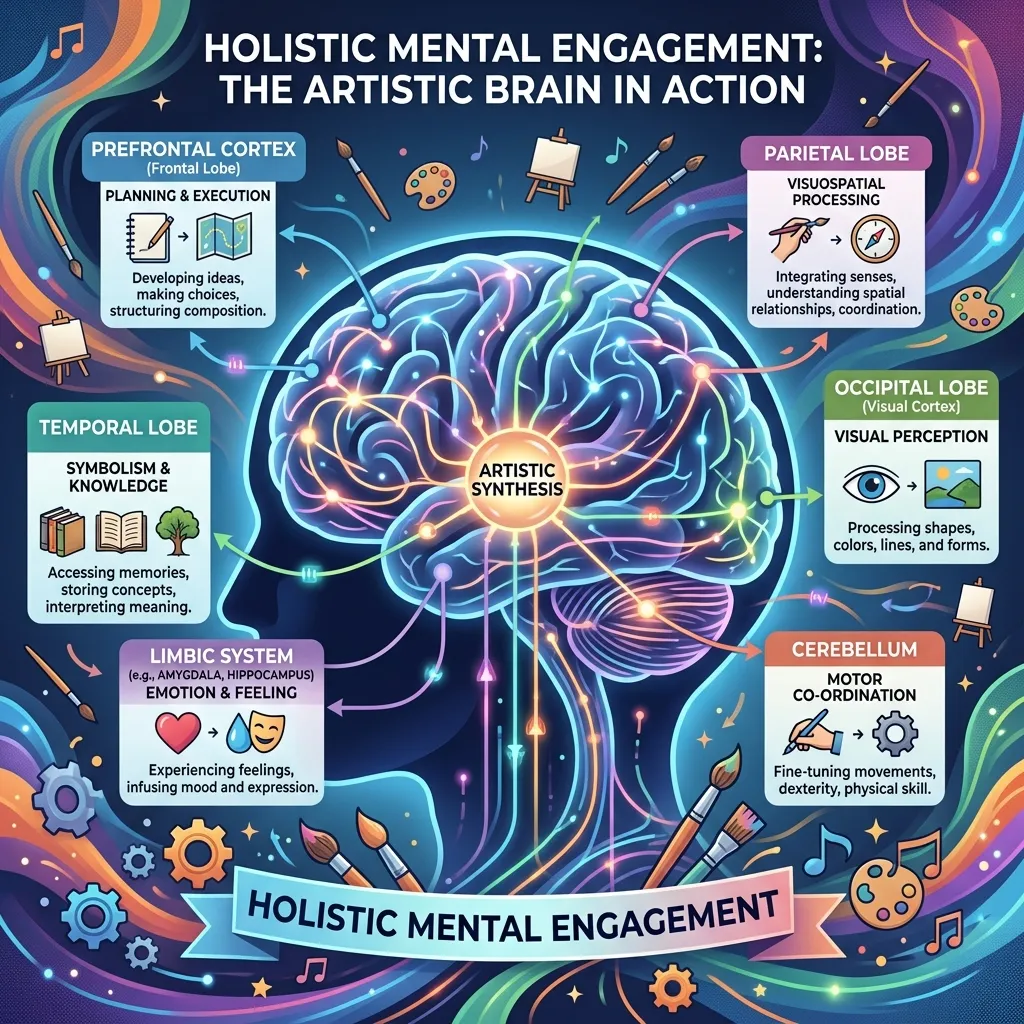
The benefits of art are rooted in its ability to bypass the logical, critical parts of the brain and engage emotional processing centers. When you create, your mind shifts into a state often described as flow, which is deeply restorative.
- Stress Reduction: The focus required for creation acts as a form of mindfulness. It pulls your attention away from sources of anxiety (like future worries or past regrets) and anchors it firmly in the present moment.
- Emotional Processing: Art provides a non-verbal language for feelings that are too complex or painful to articulate with words alone. This process is highly cathartic, allowing you to safely explore difficult emotions.
- Cognitive Enhancement: Learning an instrument or following a detailed drawing technique improves executive function, including memory, attention span, and problem-solving skills.
How Do Different Creative Outlets Impact Mood?
Different mediums engage different neural pathways, offering varied therapeutic benefits:
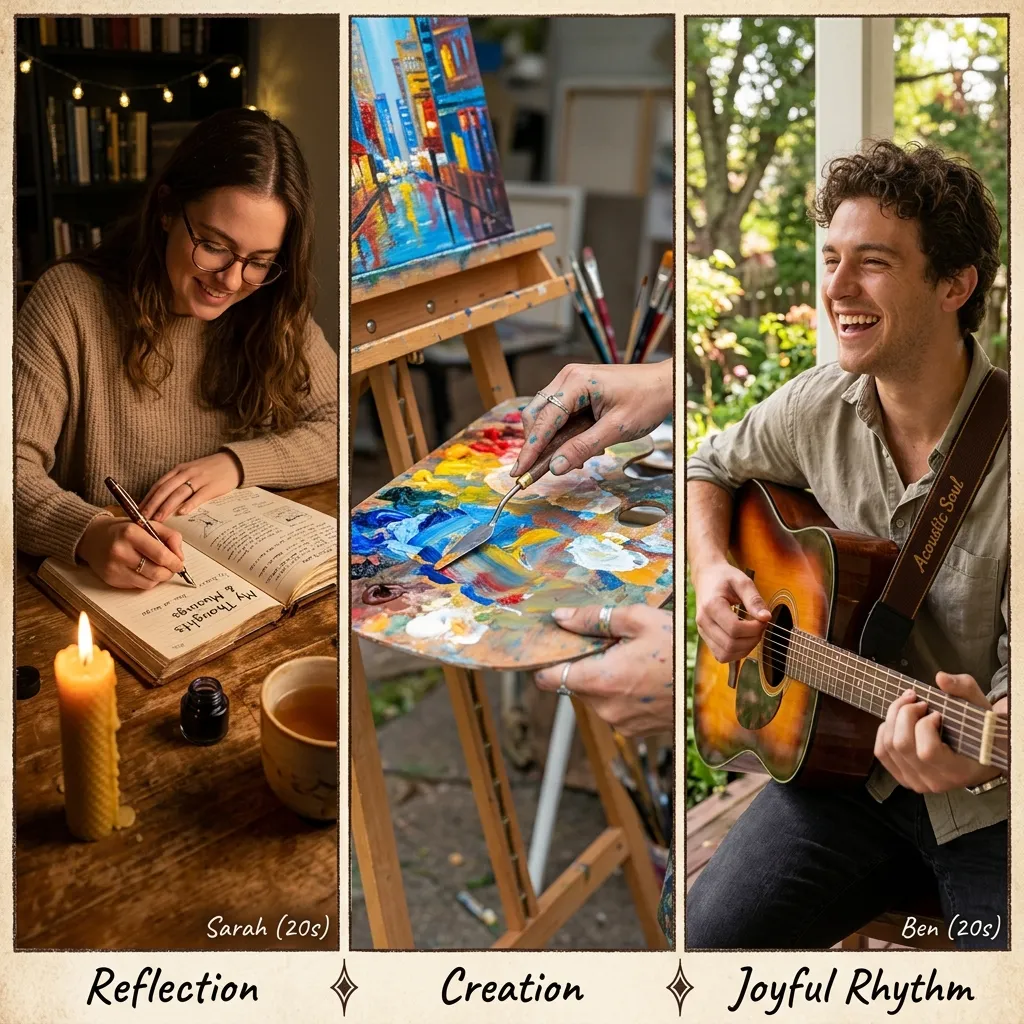
Writing (Journaling & Poetry)
Writing is perhaps the most accessible form of art therapy. It helps you externalize internal chaos, turning abstract thoughts into concrete text.
- Emotional Clarity: Journaling allows for unfiltered emotional release. By writing about your anxieties or joys, you create distance between yourself and the feeling, making it easier to process.
- Self-Reflection: Structured journaling prompts can guide deep self-inquiry, helping you identify patterns in your behavior and understanding your core values.
- Improved Focus: The act of organizing thoughts into coherent sentences strengthens mental clarity and reduces "brain fog."
Visual Arts (Painting, Drawing, Sculpting)
Visual arts offer a powerful outlet for non-verbal communication. You don't need to be skilled; the process is what matters.
- Non-Verbal Expression: Color theory and form allow you to convey emotions—like deep sadness or vibrant joy—that words fail to capture.
- Meditation in Motion: The repetitive, focused motions of painting or drawing are inherently meditative, helping to lower heart rate and induce a state of calm focus.
- Sense of Accomplishment: Completing any piece, no matter how small, provides a tangible sense of mastery that boosts self-esteem.
Music (Listening & Playing)
Music is often called the universal language because it bypasses linguistic barriers and connects directly to our limbic system (the emotional center).
- Mood Regulation: Listening to specific genres or frequencies can actively shift your mood. Calming music, for example, has been shown to lower blood pressure.
- Cognitive Workout: Learning an instrument is one of the most comprehensive brain workouts available, improving motor skills, memory recall, and coordination simultaneously.
- Social Connection: Participating in group singing or playing fosters a sense of belonging and shared emotional experience.
What Are Practical Ways to Start Being Creative?
The biggest barrier is often the belief that you must be "talented" to create. This is a myth. Creativity is simply curiosity in action. To harness these benefits, focus on process over product.
1. Lower the Stakes (Embrace Imperfection)
- Goal: Remove the pressure of creating a masterpiece.
- Action: Tell yourself that the goal is exploration, not perfection. If you draw something ugly or write something nonsensical, that's okay—it was still useful for your brain!
2. Schedule "Play Time"
- Goal: Treat creativity like an essential appointment.
- Action: Dedicate 15–30 minutes in your weekly routine specifically to a creative activity. Put it on your calendar and treat it with the same importance as a doctor's visit.
3. Use Prompts to Overcome Blocks
If you feel stuck, use prompts to kickstart your mind:
- Writing: Write about "The most stressful thing I faced this week" or "A perfect day in my life."
- Visual Arts: Pick three random colors and paint them together without planning.
- Music: Create a playlist that represents how you want to feel next month.
4. Mix Mediums (Cross-Training Your Brain)
Don't limit yourself. If you usually write, try painting. If you like music, try journaling about the feelings the song evokes. This cross-pollination of ideas strengthens neuroplasticity.
How Can Art Therapy Help with Stress Management?
Art therapy is a structured form of creative expression guided by a professional to address emotional and psychological issues. It provides tools for managing chronic stress in several ways:
- Emotional Distance: Instead of being overwhelmed by an emotion, you can externalize it onto paper or canvas. This allows you to observe the feeling from a safe distance.
- Mindfulness Anchor: The intense focus required on materials (the texture of clay, the smell of paint) forces your brain into a state of deep presence, which is the definition of mindfulness and an immediate stress reducer.
- Reclaiming Agency: When life feels chaotic or overwhelming, the simple act of controlling a brushstroke or arranging colors gives you a profound sense of control over something small, which can be deeply grounding.
Integrating Creativity into Your Daily Wellness Routine
Making creativity a habit doesn't require expensive supplies or dedicated studio time. Small, consistent efforts yield massive returns on your mental health.
Quick 10-Minute Creative Boosters:
- Mindful Doodling: Keep a small notebook and doodle abstract shapes while listening to a podcast. It keeps the hand busy without demanding intellectual effort.
- Gratitude Journaling: Write down three things you are grateful for, detailing why they make you feel good. This shifts focus toward positive emotions.
- Sensory Walk: Instead of just walking, pay attention to five specific sounds, four smells, three textures, two colors, and one taste. This is a form of mindful observation that engages your creative perception.
Longer-Term Wellness Practices:
- Creative Cooking: Treat meal preparation as an art form. Experiment with plating, spices, and color combinations.
- Nature Photography: Take photos on walks, focusing not just on the subject, but on the light, the texture, and the composition. This trains your eye for beauty and detail.
Summary: The Power of Playful Self-Exploration
Ultimately, engaging with your creative self is an act of self-respect. It reminds you that your mind is not just a processor of data; it is a source of unique emotion, insight, and joy. By treating art as therapy—a tool for emotional regulation and cognitive growth—you are actively investing in your overall quality of life.
Start small today. Pick up the pen, listen to the song, or simply observe the world with fresh eyes. The journey of self-discovery through creation is always worth the effort.
Frequently Asked Questions
No. While professional guidance is helpful, simple creative activities like journaling or doodling are effective self-care tools you can use daily.
Many people report feeling immediate stress reduction during a session. Consistent practice over time builds lasting emotional resilience and cognitive improvements.