
What is the goal of integrating ancient wellness practices?
Integrating traditional systems like Ayurveda and Traditional Chinese Medicine (TCM) aims to move beyond simply treating symptoms. These time-tested approaches focus on identifying and addressing the root causes of imbalance—whether physical, emotional, or energetic. By emphasizing preventative care and personalized routines, they empower individuals to achieve a state of holistic equilibrium between mind, body, and spirit.
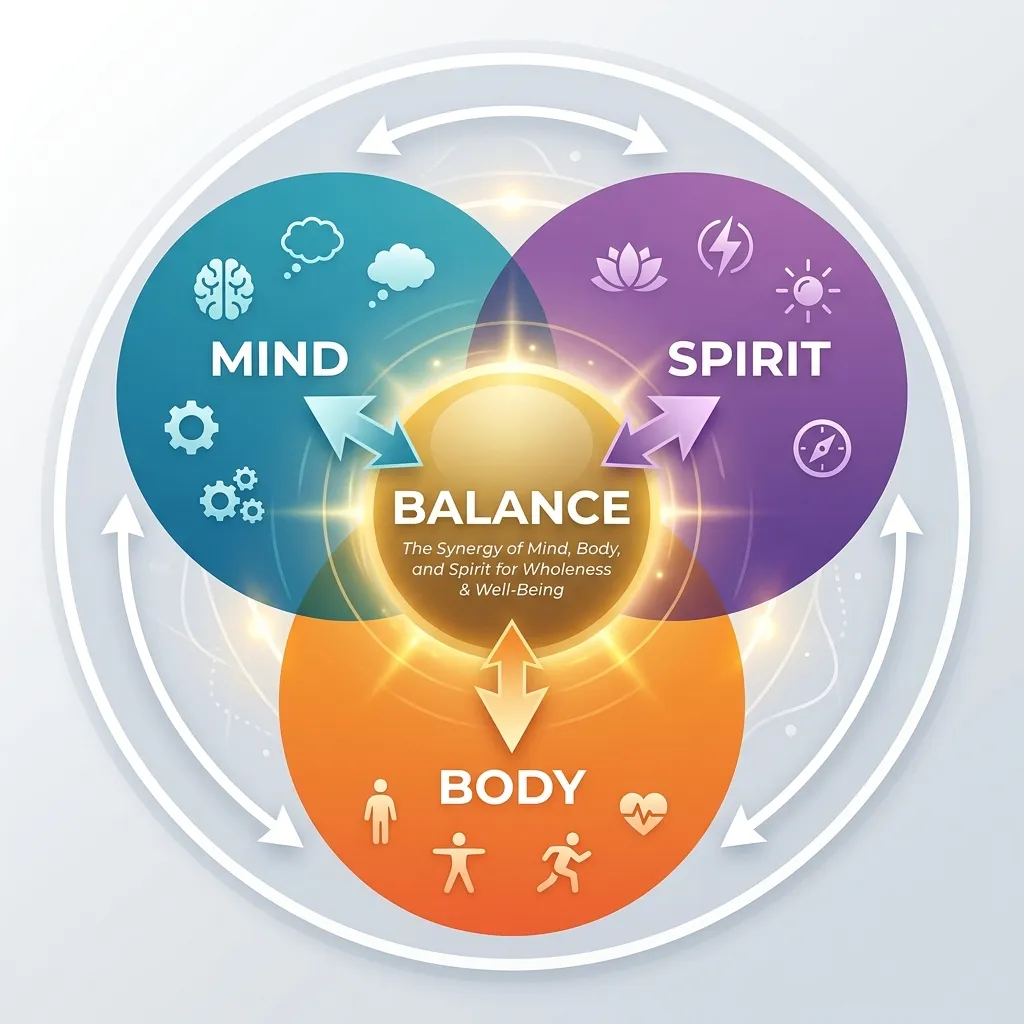
In our modern, fast-paced world, it is easy to overlook the profound knowledge held within ancient healing traditions. For centuries, cultures worldwide have developed sophisticated systems that view health not as the absence of disease, but as a state of dynamic balance. This article explores how these practices can complement your current wellness routine and guide you toward a more personalized path to optimal health.
Understanding the Core Principles: Ayurveda vs. TCM
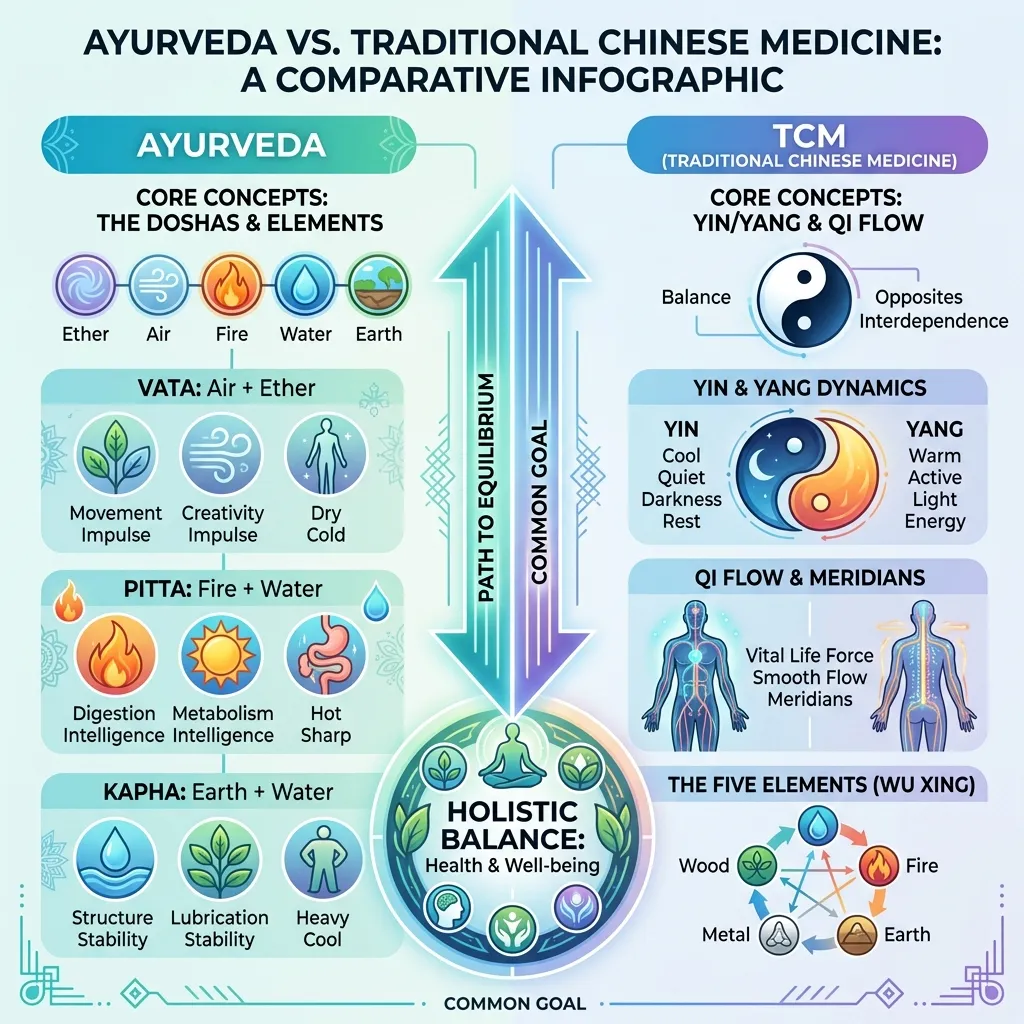
While both Ayurveda (from India) and TCM (from China) are highly sophisticated systems that prioritize prevention, they use different frameworks to understand human biology. Both share the core belief that balance is key.
What does Ayurveda teach about balance?
Ayurveda, meaning "science of life," views health as a state of equilibrium governed by five elements and three unique biological energies, or doshas.
-
The Three Doshas (Vata, Pitta, Kapha): Every person is born with a unique combination of these doshas (Prakriti). Imbalance in any dosha can lead to illness.
- Vata: Governs movement and circulation (Air/Ether). Associated with creativity but prone to anxiety or dryness.
- Pitta: Governs metabolism and transformation (Fire/Water). Associated with passion but prone to inflammation or anger.
- Kapha: Governs structure and stability (Earth/Water). Associated with calm but prone to lethargy or congestion.
-
Key Concepts: Ayurvedic care focuses on balancing these doshas through diet, routine (Dinacharya), and lifestyle adjustments tailored to your unique constitution. Agni (digestive fire) is paramount; maintaining a strong Agni prevents the accumulation of toxins (Ama).
What does TCM teach about balance?
TCM views health as the smooth, harmonious flow of vital energy through specific pathways.
- Qi (Vital Energy): This is the fundamental life force that animates all organs and tissues. Maintaining optimal Qi flow is essential for wellness.
- Yin and Yang: These are complementary opposing forces—like darkness/light or rest/activity. Health requires maintaining a dynamic balance between Yin (rest, coolness) and Yang (action, warmth).
- Meridians: These invisible channels carry Qi throughout the body. Blockages in these meridians are seen as the root cause of illness.
How Can These Ancient Practices Be Used for Modern Wellness?
The practices derived from these systems offer actionable tools that can be integrated into modern life. They are not magic cures; they are comprehensive frameworks for self-care and preventative health.
🌿 Herbal Remedies: Nature's Pharmacy
Herbs have been used for millennia to treat ailments, and many modern pharmaceuticals are plant-derived. However, herbs are potent substances requiring careful use.
Safety Guidelines for Herbs:
- Always consult a professional: Never start an herbal regimen without guidance from a qualified practitioner (e.g., certified herbalist or naturopath).
- Check for interactions: Herbs can interact dangerously with prescription medications. Disclose all supplements and herbs to your doctor.
- Quality matters: Purchase high-quality, reputable sources to ensure proper identification and dosage.
Commonly Used Examples:
- Turmeric: Powerful anti-inflammatory agent.
- Ginger: Excellent for digestion and nausea relief.
- Ashwagandha: An adaptogen that helps the body manage stress.
💉 Acupuncture: Restoring Energy Flow
Acupuncture is a cornerstone of TCM, involving thin needles placed at specific points along the meridians. This stimulates the flow of Qi, helping to restore balance and alleviate pain.
What to Expect During Treatment:
- Detailed Consultation: The practitioner will assess your condition through methods like pulse diagnosis.
- Needle Placement: Needles are inserted into specific points along the meridians.
- The Goal: To stimulate natural healing responses, reduce pain signals, and improve overall energy flow.
🧘 Lifestyle Practices: Mind-Body Connection
Both systems heavily emphasize that physical health is inseparable from mental and emotional state.
- Yoga & Meditation (Wellness): These practices are universally recommended for managing stress, improving sleep quality, and balancing the nervous system—a key component of both Ayurvedic and TCM wellness.
- Dietary Therapy: Instead of generic diets, these systems recommend eating foods that specifically support your unique constitution or current imbalance (e.g., cooling foods if you have excess Pitta).
💡 Integrating Care: The Power of Integrative Medicine
The most effective approach is integrative medicine, which means combining the best evidence-based conventional treatments with time-tested traditional therapies. This synergy allows for a more complete picture of your health.
Why Integration Works:
- Root Cause Focus: Instead of just masking symptoms, integrative care seeks to address underlying imbalances (e.g., stress leading to poor digestion).
- Personalization: Treatment plans are highly individualized, recognizing that "one size fits all" rarely works for complex human biology.
- Empowerment: It teaches patients how to become active participants in their own health journey through diet and routine changes.
Examples of Complementary Care:
- Using acupuncture alongside conventional pain management for chronic back issues.
- Incorporating Ayurvedic spices into a modern anti-inflammatory diet plan.
- Utilizing mindfulness meditation to manage anxiety symptoms while undergoing physical therapy.
⚠️ Crucial Safety Steps: Approaching Traditional Practices Responsibly
Because these practices are so powerful, approaching them requires respect, caution, and professional guidance. Never treat traditional medicine as a replacement for modern care—it is always meant to be complementary.
- Seek Qualified Practitioners: Always choose practitioners who are licensed, experienced, and knowledgeable in their respective fields (e.g., an Ayurvedic doctor or a certified acupuncturist).
- Full Disclosure is Mandatory: Maintain open communication with all your healthcare providers—conventional doctors, herbalists, and acupuncturists. They must know everything you are taking.
- Manage Expectations: These systems take time. Consistency in diet, routine, and lifestyle changes yields the best results.
Summary & Next Steps for Optimal Wellness
The wisdom of Ayurveda and TCM offers a profound roadmap back to balance—a focus on how you live, not just what illness you treat. By understanding your unique constitution and integrating these ancient principles with modern medical advice, you can build a truly holistic and resilient approach to health. Start small: commit to one simple change, like establishing a consistent sleep routine or adding more anti-inflammatory spices to your meals.
Sources & Further Reading:
- National Center for Complementary and Integrative Health (NCCIH): https://www.nccih.nih.gov/
- World Health Organization (WHO) on Traditional Medicine: https://www.who.int/traditional-complementary-integrative-medicine/en/
Frequently Asked Questions
No. Traditional practices should always be used as a complement to, not a replacement for, conventional medical care. Always consult your primary care physician.