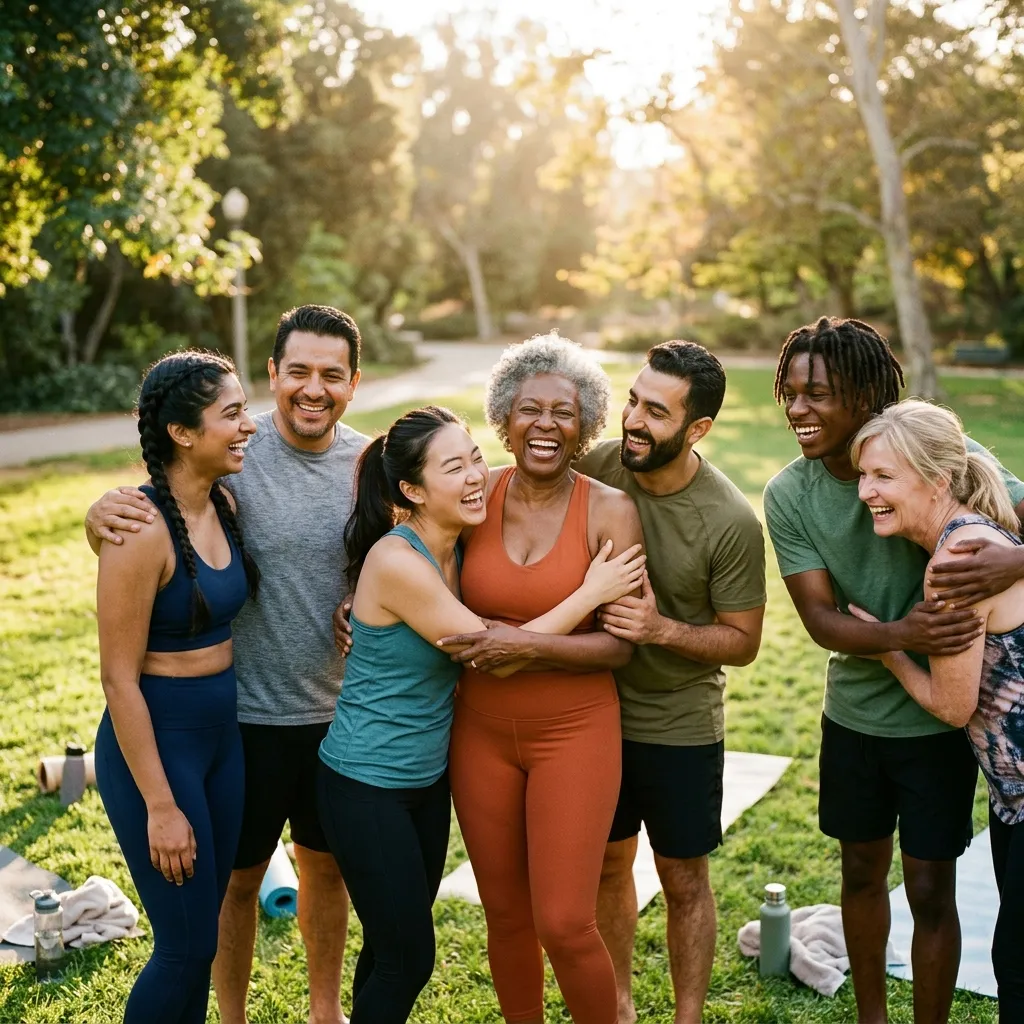
What is the Role of Community in Holistic Wellness?
Embarking on a holistic wellness journey—one that nurtures your mind, body, and spirit—is often challenging to do alone. Community support acts as an essential safety net, providing the motivation, accountability, and shared perspective needed to maintain consistency and overcome setbacks. Think of it not just as friendship, but as a structured system of mutual encouragement that makes sustainable self-care possible.
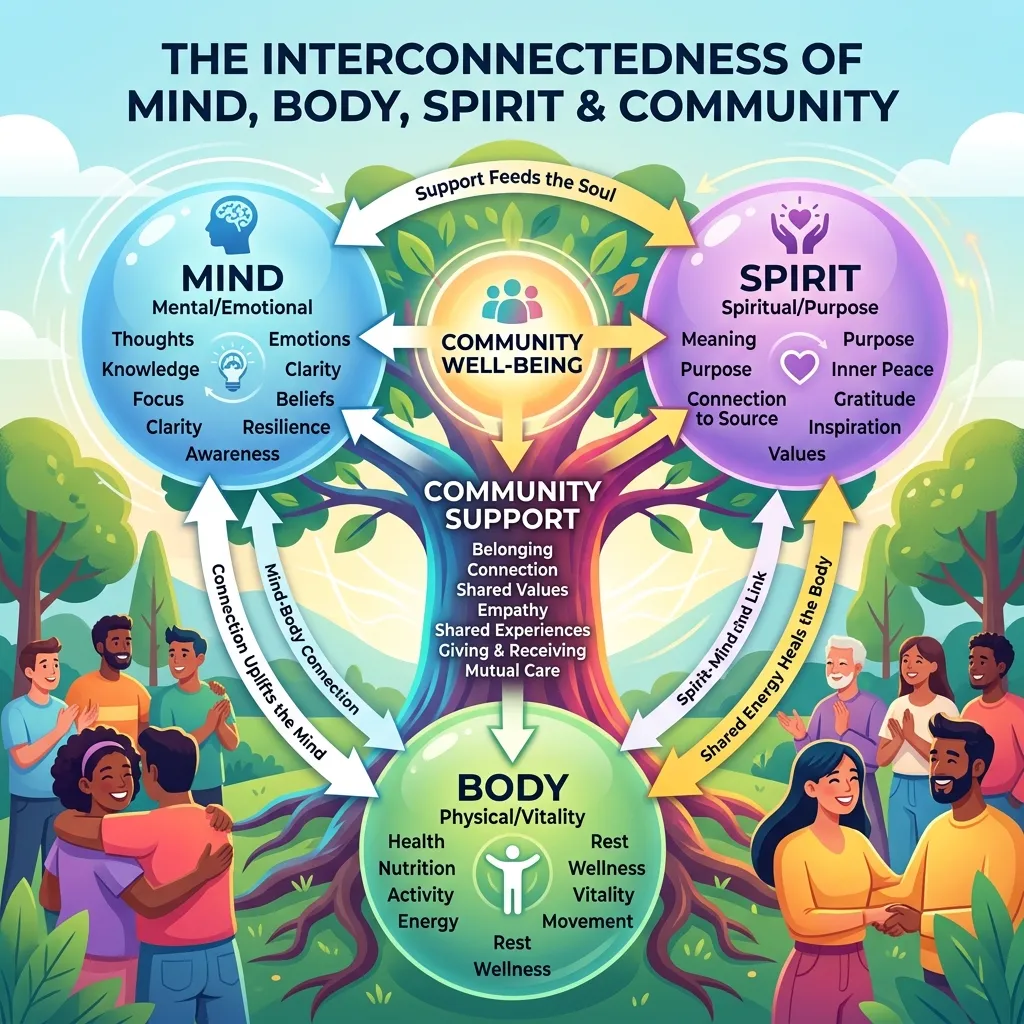
Why Does Connection Matter for Wellness?
Going through wellness changes in isolation can lead to burnout and inconsistency. Connecting with others provides tangible psychological and emotional benefits that reinforce positive habits:
- Combating Isolation: Feeling connected directly combats loneliness, a major risk factor for poor mental health.
- Building Accountability: Knowing you have a group or partner expecting your participation makes it significantly harder to skip workouts or neglect healthy eating habits.
- Shared Learning: Community acts as a knowledge hub. You gain access to diverse perspectives on diet, exercise, and stress management that might not be available through single sources.
- Emotional Validation: Sharing struggles with people who understand the journey provides profound emotional support and reduces feelings of shame or failure.
How Can I Find My Supportive Wellness Tribe?
Finding your "tribe" requires intentional effort, but resources are abundant both locally and online. The key is to seek environments that promote genuine interaction, not just passive consumption of content.
Local & In-Person Opportunities
These settings offer immediate physical connection and shared activity:
- Fitness Studios: Look beyond the workout itself; choose studios (yoga, Pilates, running groups) that host community events or group challenges.
- Community Centers: These often run free or low-cost support groups for specific issues (e.g., chronic pain management, stress reduction).
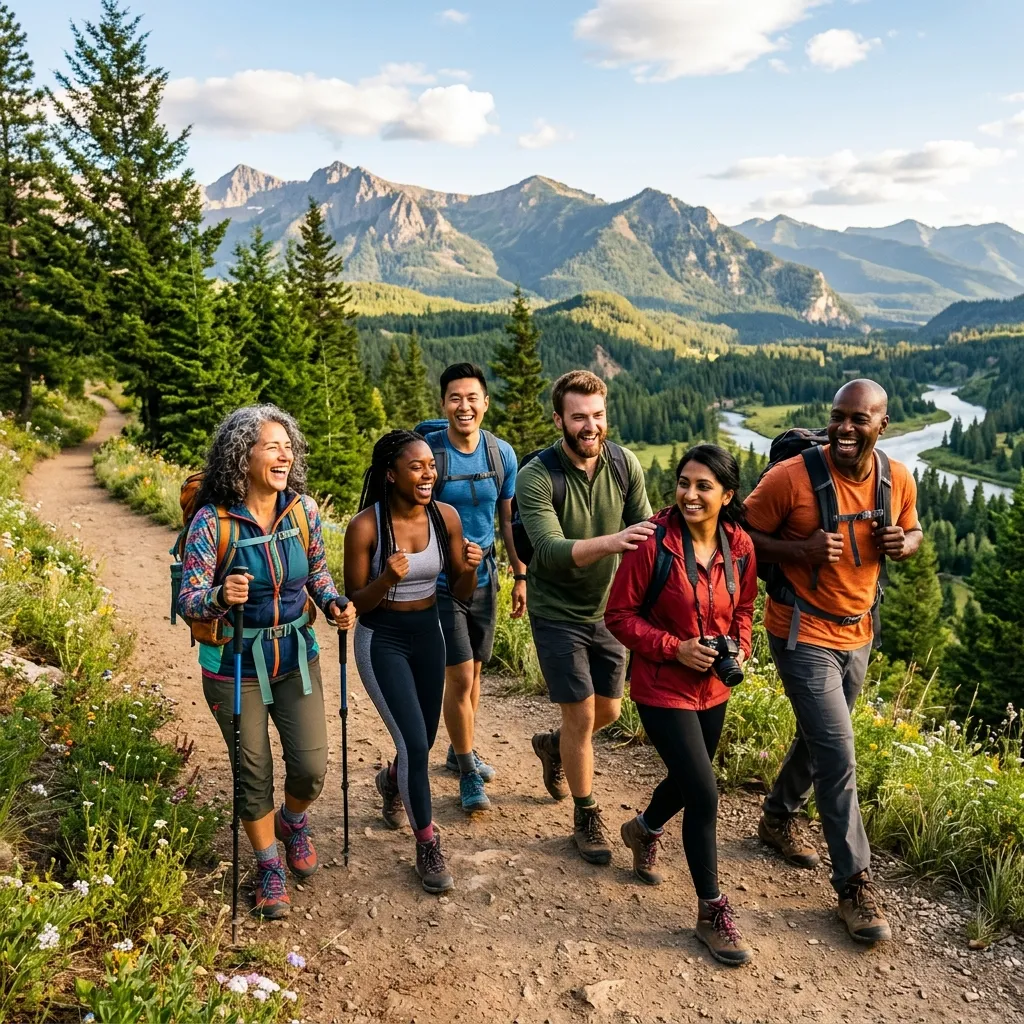
- Outdoor Groups: Joining local hiking clubs, cycling groups, or nature walks combines physical activity with social connection.
- Volunteer Organizations: Contributing time to a cause you care about is an excellent way to meet like-minded people while giving back.
Online & Virtual Communities
Digital spaces are powerful tools for support, especially when geographical distance is a factor:
- Specialized Forums/Subreddits: Platforms dedicated to specific health conditions (e.g., PCOS, gut health) allow for deep, targeted knowledge sharing.
- Virtual Wellness Programs: Many reputable online coaches and programs now include private community groups that offer structured support and accountability check-ins.
- Social Media Groups (Use Caution): While Facebook or Instagram can connect you, always prioritize groups moderated by professionals or evidence-based sources to avoid misinformation.
What Makes a Community Truly Supportive?
Not all "groups" are created equal. To ensure your time is well spent and your energy is positive, look for these characteristics:
- Authenticity: The community should encourage members to share their real struggles, not just curated successes.
- Inclusivity: It must be welcoming to people of all backgrounds, abilities, and levels of fitness—no one should feel judged.
- Moderation: A healthy group has clear rules against negativity, spam, or the promotion of unproven "miracle cures."
- Mutual Respect: Members treat each other with empathy, understanding that everyone is on a different stage of their journey.
How to Be an Active and Positive Community Member?
Joining a community is only half the battle; actively participating is what yields results. To maximize your benefits and contribute positively:
- Be Vulnerable: Share your struggles honestly. This not only helps you process emotions but also gives permission for others to do the same.
- Ask Specific Questions: Instead of asking, "How do I lose weight?" ask, "What are three sustainable ways to incorporate protein into a plant-based meal under 30 minutes?"
- Offer Support First: Don't wait until you need help. Offer encouragement or share a resource when someone else posts about a challenge.
- Celebrate Wins (Big and Small): Acknowledge every milestone—whether it’s running one extra mile or simply drinking enough water for the day. Positive reinforcement is key.
- Listen Actively: Practice empathy. Sometimes, the best support you can give is just a non-judgmental ear.
The Role of Accountability in Goal Achievement
Accountability partners are perhaps the most powerful tool community offers. They transform abstract goals (like "eat better") into concrete commitments ("I will prep five healthy lunches for this week and check in with my partner on Monday").
- Shared Commitments: When you tell a friend or group that you plan to do something, your social commitment increases your internal motivation.
- Regular Check-ins: Scheduled check-ins prevent goals from becoming vague wishes; they become actionable plans.
- Constructive Feedback: A supportive community can point out patterns (like skipping workouts when stressed) without judgment, helping you adjust your strategy before a setback occurs.
Summary: Building Your Wellness Support System
Building a strong support system is not a quick fix—it’s an ongoing practice of showing up for yourself and others. By recognizing that wellness is inherently social, you can transform the journey from a solitary struggle into a shared, empowering experience.
Actionable Takeaway: Start by identifying one area of your life where you feel isolated (e.g., meal planning, morning routine). Then, commit to finding one local or online group focused specifically on that topic this week. Your well-being will thank you for the connection.
Frequently Asked Questions
Yes. Community provides a sense of belonging, which is crucial for emotional regulation and reducing feelings of isolation.