

What Exactly Are Holistic and Complementary Therapies?
Holistic therapies are approaches that treat the whole person—mind, body, spirit, and emotions—rather than focusing solely on specific symptoms or isolated parts of the body. They aim to support the body's innate ability to heal itself by addressing underlying lifestyle factors like stress, diet, sleep, and emotional balance. These methods are complementary to conventional medicine, meaning they work alongside your doctor’s care for a comprehensive wellness plan.
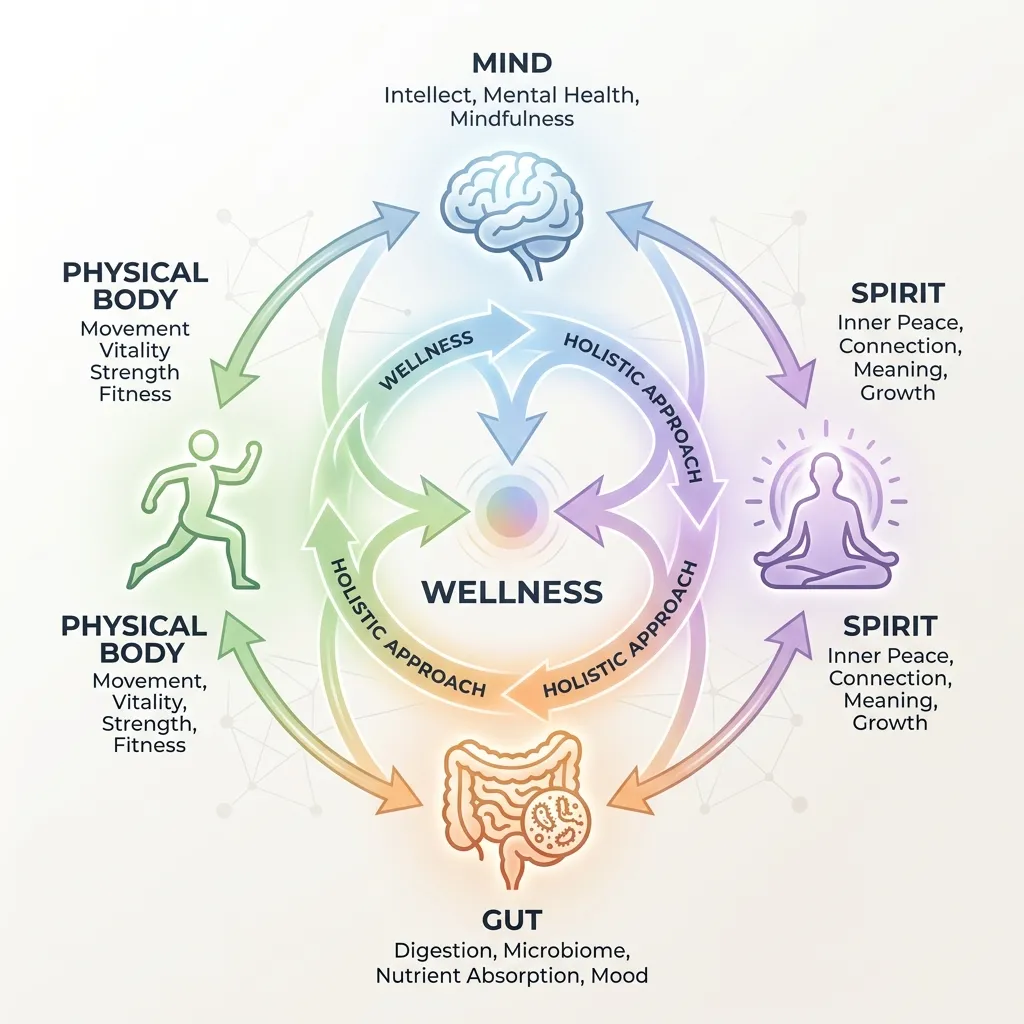
Understanding the Difference
It is crucial to understand that "complementary" does not mean "alternative."
- Complementary: Used with conventional medicine. Example: Using acupuncture alongside prescribed pain medication.
- Alternative: Used instead of conventional medicine. (Caution: Never choose alternative care over professional medical advice.)
The goal is always to enhance your overall health and prevent illness, not to replace evidence-based medical treatment.
Exploring Key Types of Holistic Wellness Care
Many effective therapies fall under the umbrella of holistic wellness. Here is a detailed look at three highly popular approaches:
Massage Therapy: Beyond Simple Relaxation
Massage therapy involves manipulating soft tissues—muscles, tendons, and ligaments—to achieve physical relief and mental calm. It is far more than just pampering; it's a targeted form of self-care that promotes physiological function.
How Does It Work? By manually working the muscles, massage helps:
- Release muscle tension (knots) contributing to chronic pain.
- Improve blood circulation, delivering vital oxygen and nutrients to tissues.
- Stimulate the release of endorphins, natural mood boosters and painkillers.
Key Types to Consider:
- Deep Tissue Massage: Uses intense pressure to target deeper, chronic muscle layers (best for persistent pain).
- Swedish Massage: Utilizes long, flowing strokes ideal for general relaxation and improving circulation (great for beginners).
- Sports Massage: Designed specifically for athletes to improve performance, prevent injury, and speed up recovery.
Acupuncture: Balancing the Body's Energy Flow
Acupuncture is a technique rooted in Traditional Chinese Medicine (TCM) that involves inserting extremely thin needles into specific points on the body. These points are believed to lie along energy pathways called meridians.
How Does It Work? From a TCM perspective, stimulating these points helps balance the flow of qi (vital energy). From a modern scientific viewpoint, acupuncture is thought to:
- Stimulate the nervous system and release natural pain-relieving chemicals.
- Reduce inflammation markers in the body.
Common Conditions Treated: Acupuncture is widely used for managing chronic discomfort, including migraines, persistent back pain, arthritis, and anxiety.
Chiropractic Care: Aligning the Spine and Nerves
Chiropractic care focuses on maintaining optimal function between the spine and the nervous system. Practitioners use manual adjustments to correct structural misalignments in the vertebrae, known as subluxations.
How Does It Work? The core principle is that proper spinal alignment allows the nervous system—which controls every bodily function—to operate efficiently. By correcting these physical misalignments, chiropractors aim to restore nerve flow and allow the body's natural healing mechanisms to take over.
What Should I Expect? A typical visit involves a physical exam, potentially X-rays, followed by controlled manual adjustments. You may hear a popping sound as the joint realigns.
Why Does the Mind-Body Connection Matter in Wellness?
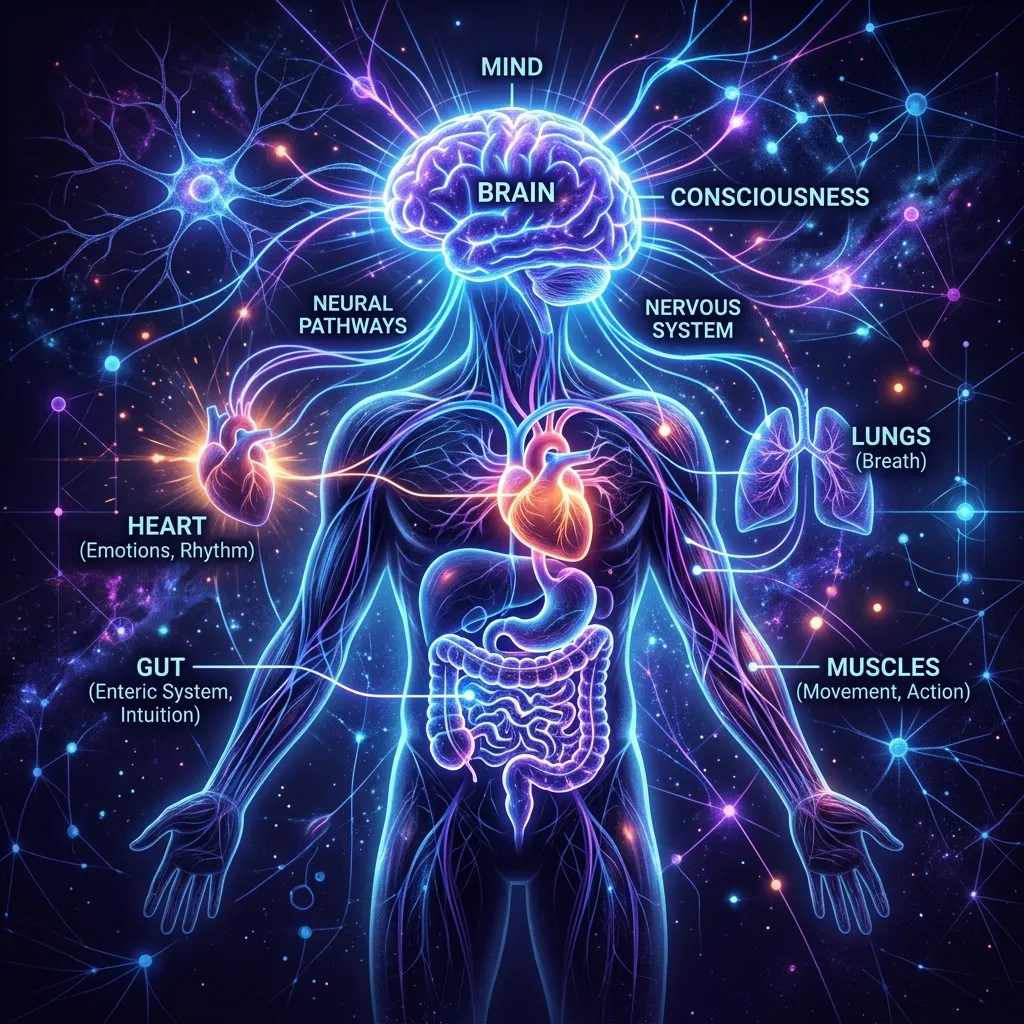
Holistic therapies emphasize that our mental and emotional states directly impact our physical health. This is the mind-body connection. Stress, for example, doesn't just feel bad; it physically raises cortisol levels, which can contribute to inflammation, poor sleep, and digestive issues.
- Stress Management: Practices like meditation, yoga, and even massage are powerful tools because they teach you how to regulate your nervous system response to stress.
- Emotional Health: By addressing emotional patterns (through therapy or mindfulness), you reduce the physical burden of chronic anxiety and tension.
How Do I Choose a Safe and Effective Practitioner?
Finding a qualified practitioner is the most critical step for a positive experience. Because these fields are diverse, diligence is required.
1. Verify Credentials (The Non-Negotiable Step): Never rely solely on word-of-mouth. Always confirm that the professional holds current, state-specific licenses or certifications:
- Massage: Look for Licensed Massage Therapists (LMTs).
- Acupuncture: Seek out licensed acupuncturists (LAc) who are members of recognized bodies like NCCAOM.
- Chiropractic: Ensure they are a licensed Doctor of Chiropractic (DC).
2. Consult Your Primary Care Physician: Before starting any new regimen, discuss it with your doctor. They can provide crucial safety guidelines and ensure the therapies won't interfere with existing medications or conditions.
3. Schedule an Initial Consultation: Use this first meeting to ask detailed questions about their approach:
- "What is your philosophy regarding my specific condition?"
- "How long does it typically take to see results?"
- "Are there any contraindications I should know about?"
Integrating Complementary Therapies into Your Daily Life
Holistic care is not a quick fix; it's an ongoing commitment. To maximize the benefits of these therapies, integrate them thoughtfully:
- Prioritize Sleep: No therapy can overcome chronic sleep deprivation. Aim for 7–9 hours of quality rest nightly.
- Nourish Your Body: Focus on a balanced diet rich in whole foods. Nutrition is foundational to healing.
- Move Daily: Combine physical activity (walking, stretching) with your therapy sessions. Movement improves circulation and mood.
- Be Patient and Consistent: Results rarely happen overnight. Consistency—attending regular sessions and maintaining healthy habits—is key to seeing lasting change.
Summary & Next Steps for Optimal Wellness
Holistic therapies offer powerful tools for supporting the body's natural healing process by addressing physical, emotional, and lifestyle factors simultaneously. By approaching these modalities with an informed, open mind, consulting qualified professionals, and integrating them alongside conventional medical care, you can build a truly comprehensive wellness plan. Remember that your health journey is personal; listen closely to your body’s signals at every step.
Disclaimer: This article is for informational purposes only and does not constitute medical advice. Always consult with a qualified healthcare professional before starting any new treatment or making changes to your routine.
Frequently Asked Questions
No. Holistic therapies are designed to be *complementary*—meaning they work alongside your doctor's care, not replace it. Always consult your primary care physician first.