
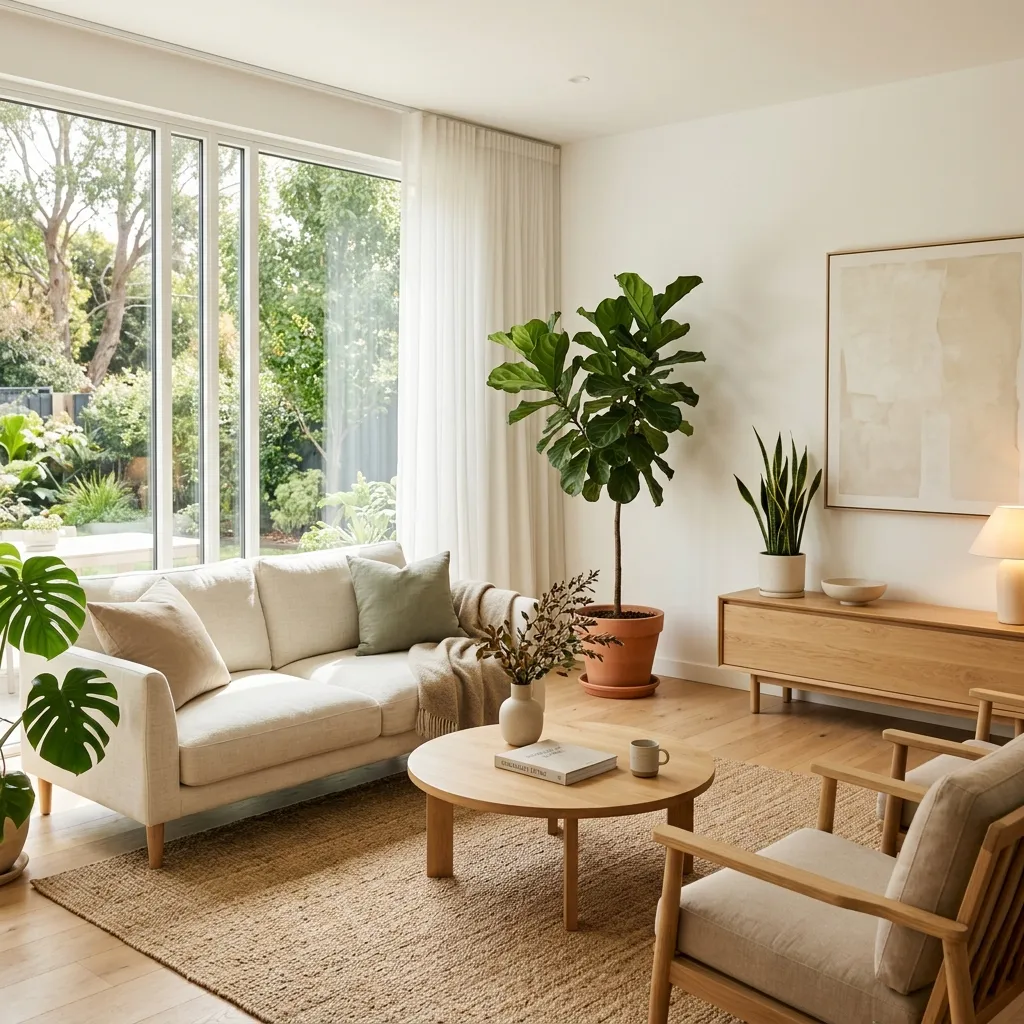
Your home should be more than just shelter; it must function as a sanctuary that actively supports your physical and mental well-being. Creating a holistic environment involves making conscious changes—from decluttering to improving air quality—that allow your living space to nurture, rather than drain, your energy. By implementing these strategies, you can transform your house into a supportive haven that promotes deep rest, focus, and overall harmony.
Why Does Your Environment Impact Your Physical and Mental Health?
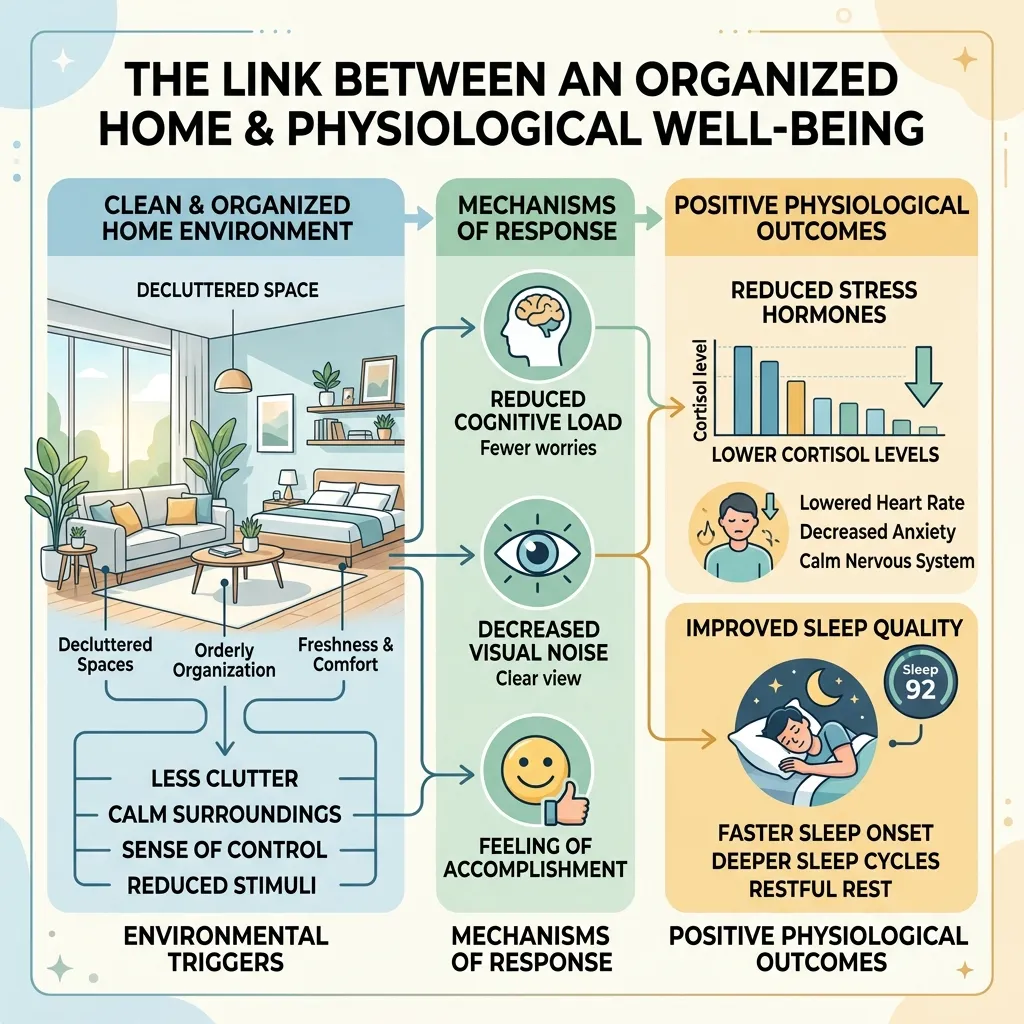
The connection between our surroundings and our internal state is profound. Our environment acts as a constant input to our nervous system; therefore, optimizing it is crucial for maintaining balance. A well-designed home can actively reduce stress hormones like cortisol, while a chaotic space can trigger anxiety and fatigue.
The Mental Benefits of a Supportive Space
A calm, organized home directly supports cognitive function:
- Stress Reduction: Clutter creates visual noise that the brain must process, leading to mental fatigue. A tidy environment promotes a sense of control and peace.
- Enhanced Focus: When your workspace is clear and minimalist, it minimizes distractions, allowing you to achieve deep work and boost productivity.
- Improved Mood Regulation: Incorporating natural light and calming colors has been shown to positively influence mood, mimicking the restorative effects of nature.
- Better Sleep Quality: The bedroom should be a dedicated sleep sanctuary. Keeping it dark, cool, quiet, and free from electronics or work-related clutter is paramount for regulating circadian rhythms.
How Does Your Home Affect Physical Health?
The physical health benefits are often overlooked but equally vital:
- Air Quality & Respiratory Health: Poor ventilation allows pollutants, mold spores, and allergens to accumulate. Regular cleaning and proper air filtration are essential for minimizing respiratory risks.
- Safety and Mobility: Clutter is a major hazard, increasing the risk of trips and falls, particularly in homes with older adults or small children.
- Immune Support: By reducing chronic stress through environmental improvements (like decluttering), you indirectly support your body's ability to manage inflammation and maintain immune function.
How Can Decluttering Transform Your Well-being?
Clutter is not just an aesthetic issue; it represents accumulated mental weight. The process of decluttering is often therapeutic because it forces you to confront what truly adds value to your life, creating physical space that mirrors mental clarity.
Actionable Strategies for a Clutter-Free Home
Don't attempt the entire house in one day. Focus on small wins to build momentum:
- Start with "Hot Spots": Begin with high-traffic areas like entryways, kitchen counters, or nightstands—these are often where clutter accumulates fastest.
- The Four-Box Method: Use four labeled boxes: Keep, Donate, Recycle, and Trash. This structured approach prevents decision fatigue.
- Implement the One-In, One-Out Rule: For every new item (e.g., a shirt, book, gadget) that enters your home, commit to removing one similar item.
- The "Maybe" Box Protocol: If you are truly unsure about an item, place it in a sealed box labeled with the date and write why you might keep it. If you haven't needed anything from that box after six months, donate the entire contents.
Mastering Organization: Making Everything Functional
Organization is assigning a permanent "home" to every single item. This prevents items from becoming lost clutter.
- Maximize Vertical Space: Utilize shelves and wall mounts rather than letting items pile up on flat surfaces.
- Use Clear Containers: Opt for clear, uniform storage bins so you can easily see what's inside without opening them.
- Zone Storage: Store items where they are used. For example, keep cleaning supplies under the sink, and workout gear near the gym area.
- Label Everything: Labeling containers or drawers saves time and reinforces the system of order for everyone in the household.
What Natural Elements Should I Incorporate into My Home?
Bringing nature indoors—through light, plants, and materials—is a scientifically proven way to reduce stress and improve mood. This concept is known as biophilic design, which connects humans to natural patterns.
Maximizing Light and Airflow
- Natural Light: Maximize daylight exposure by keeping windows clear of heavy drapes. Natural light helps regulate your body's internal clock, crucial for healthy sleep cycles.
- Ventilation: Open windows regularly, even in cold weather, to ensure fresh air circulation. This is critical for removing stale indoor pollutants.
- Air Purifiers & Filtration: Invest in high-quality HEPA filter air purifiers. Additionally, replace your HVAC filters every 1–3 months to manage dust and allergens.
The Power of Plants and Materials
Indoor plants are not just decorative; they actively contribute to a healthier environment:
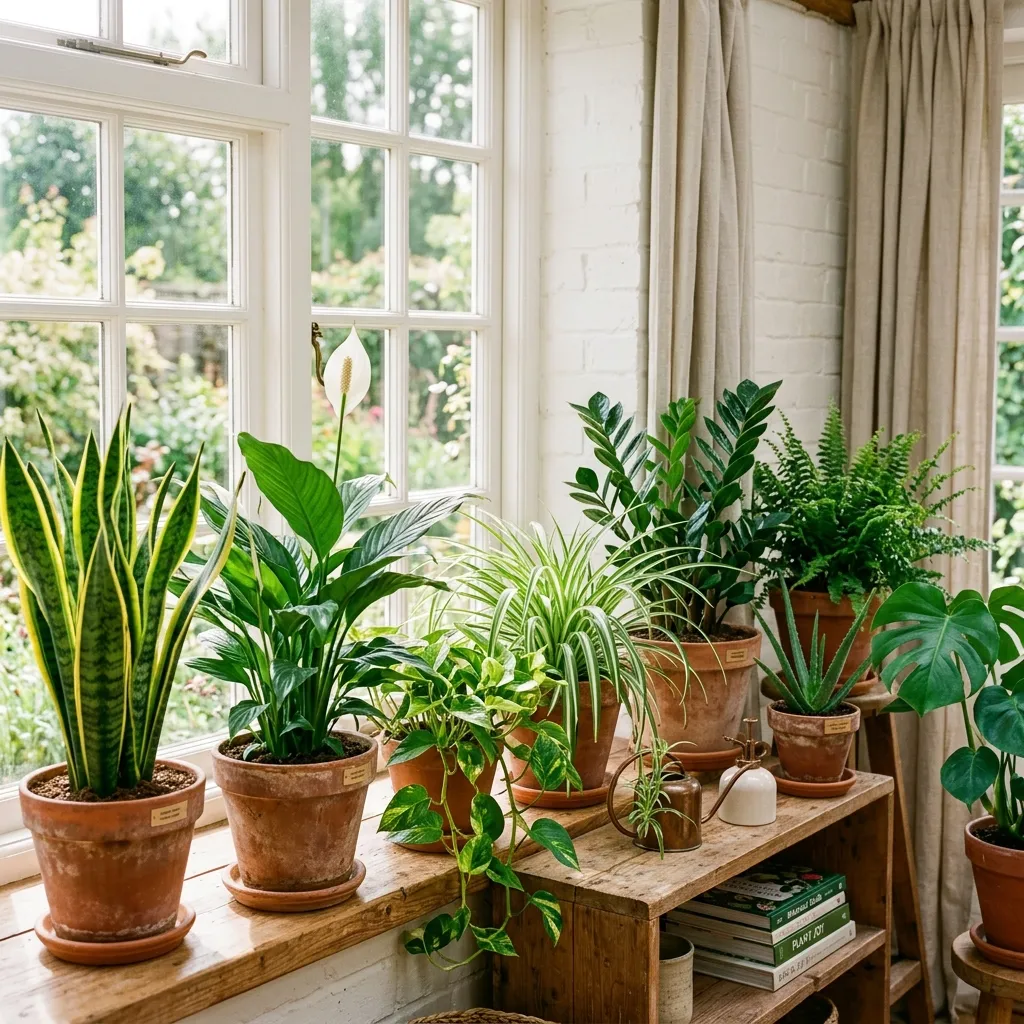
- Air Purification: Certain plants, such as the Snake Plant, Spider Plant, and Peace Lily, are known for their ability to filter common indoor toxins and improve air quality.
- Natural Textures: Incorporate materials like raw wood, stone, bamboo, and linen into your décor. These natural textures ground the space and reduce feelings of artificiality.
- Water Features: The gentle sound of running water (e.g., a small indoor fountain) has been shown to have a calming effect on the nervous system.
How Does Feng Shui Complement Modern Wellness?
Feng Shui is an ancient Chinese practice focused on optimizing the flow of energy, or Chi, within a space. While not scientifically proven, many people find that applying its principles—especially those related to balance and flow—can create a deeply supportive and harmonious living environment.
Key Principles for Harmony
- Balance (Yin & Yang): Every room should achieve a balance between active/stimulating energy (Yang) and passive/calming energy (Yin). For example, the bedroom should be predominantly Yin (restful), while the living area can accommodate more Yang (socializing).
- Chi Flow: Ensure that pathways are clear. Blocked doorways or furniture placed in narrow hallways impede the flow of Chi, leading to feelings of stagnation and frustration.
- The Five Elements: Use colors and materials representing Wood, Fire, Earth, Metal, and Water to balance the energy profile of different rooms (e.g., blue/black for water, green for wood).
Practical Feng Shui Adjustments
- Strategic Placement: Avoid placing large mirrors directly opposite a main entrance or bed, as this can be believed to reflect and dissipate positive energy.
- Commanding Position: When arranging furniture (especially beds and desks), position them so that you can see the door without being directly in line with it. This promotes feelings of security and control.
- Color Psychology: Use colors intentionally. Soft blues and greens promote calm, while warm yellows and oranges can boost energy and creativity.
Creating Your Personalized Sanctuary: A Summary Checklist
Creating a truly holistic home is an ongoing practice of mindful living. It requires integrating physical organization with energetic balance. To start your journey toward a supportive sanctuary, focus on these actionable steps:
- Declutter: Remove anything that doesn't serve a purpose or bring you genuine joy.
- Cleanse the Air: Use natural ventilation and HEPA filters to maintain optimal air quality.
- Embrace Nature: Introduce plants, maximize sunlight, and use natural materials in your décor.
- Establish Zones: Designate specific areas for rest (bedroom), focus (office), and connection (living room).
- Practice Mindfulness: Spend time in the space you've created—meditating, reading, or simply enjoying a cup of tea—to appreciate its restorative power.
By treating your home as an active participant in your health journey, you can cultivate a deeply supportive environment that allows you to recharge and thrive.
Frequently Asked Questions
Yes. Studies show that reducing visual clutter can decrease cortisol levels and promote a sense of control, which is linked to lower anxiety.
Look for HEPA filters, as they are effective at trapping common allergens like dust, pollen, and pet dander. Regular maintenance is key.