

Why is financial wellness crucial for overall health?
Financial wellness is the state of having a healthy relationship with money, which profoundly impacts your mental and physical well-being. It's not about being wealthy; it's about feeling secure and in control of your resources. When finances are managed effectively—through budgeting, saving, and informed decisions—the chronic stress associated with debt or instability is reduced, allowing the body and mind to thrive.
The Stress Connection: How Money Impacts Your Body
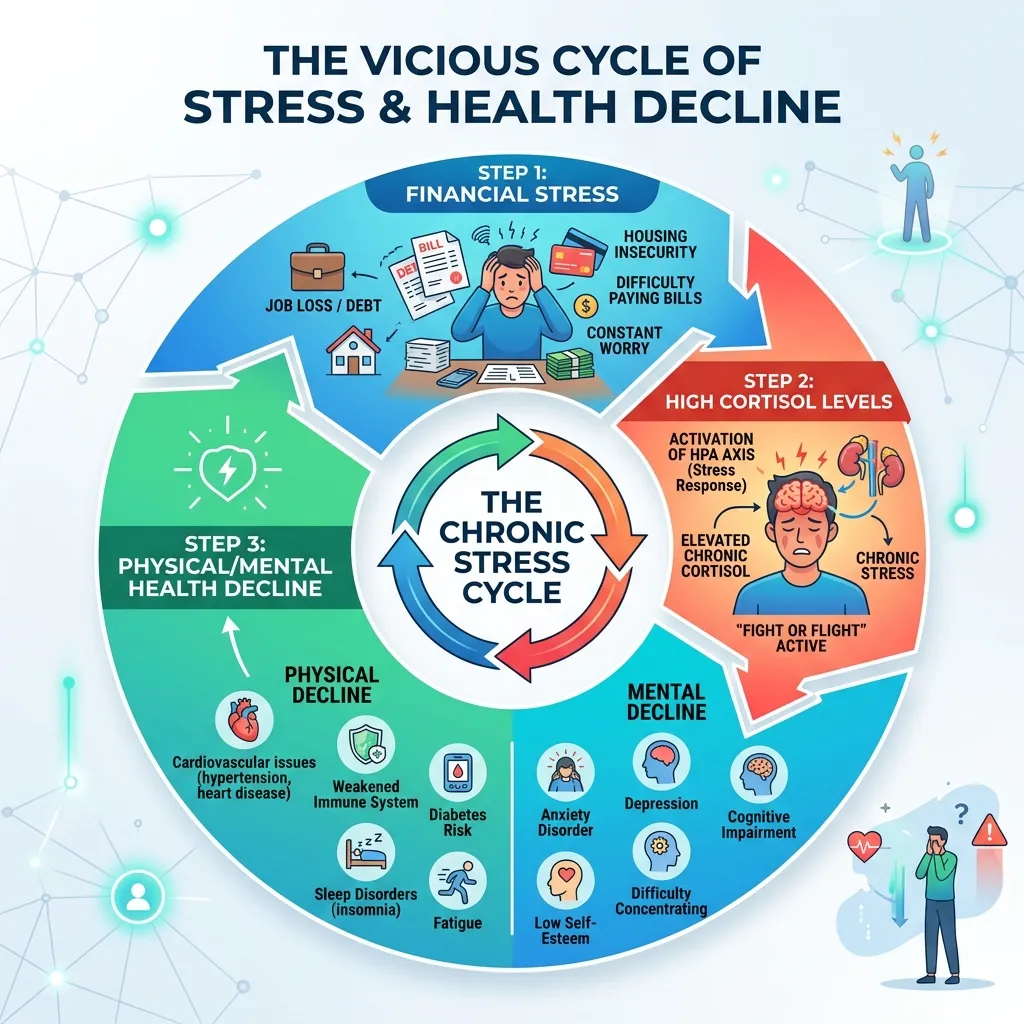
The link between money worries and physical health is undeniable. Financial strain triggers a constant state of "fight or flight," leading to elevated levels of cortisol (the stress hormone). Over time, this chronic stress can manifest physically and mentally:
- Mental Health: Constant worry contributes significantly to increased rates of anxiety, depression, and difficulty concentrating.
- Physical Symptoms: Chronic cortisol release weakens the immune system, disrupts sleep patterns, and is linked to high blood pressure and digestive issues.
- Relationships: Money is a leading cause of conflict. Financial stress can erode trust and lead to relationship strain.
What does true financial wellness look like?
Financial wellness encompasses more than just having savings; it’s a holistic state of mind that provides security, purpose, and freedom. It is built on three pillars: literacy, planning, and alignment.
- Security: Having an emergency fund and manageable debt reduces the immediate threat response in your brain.
- Control: Knowing where every dollar goes (through budgeting) gives you a sense of agency over your life.
- Purpose: Aligning spending with your core values ensures that your money supports the life you genuinely want to live.
How Can I Start Managing Financial Stress Today?
Financial stress can feel overwhelming, but taking small, consistent steps can restore control and reduce anxiety. Focus on these immediate actions:
- Acknowledge Your Feelings: Recognize that feeling stressed about money is normal. Instead of suppressing the worry, journaling your fears helps process them and gain clarity.
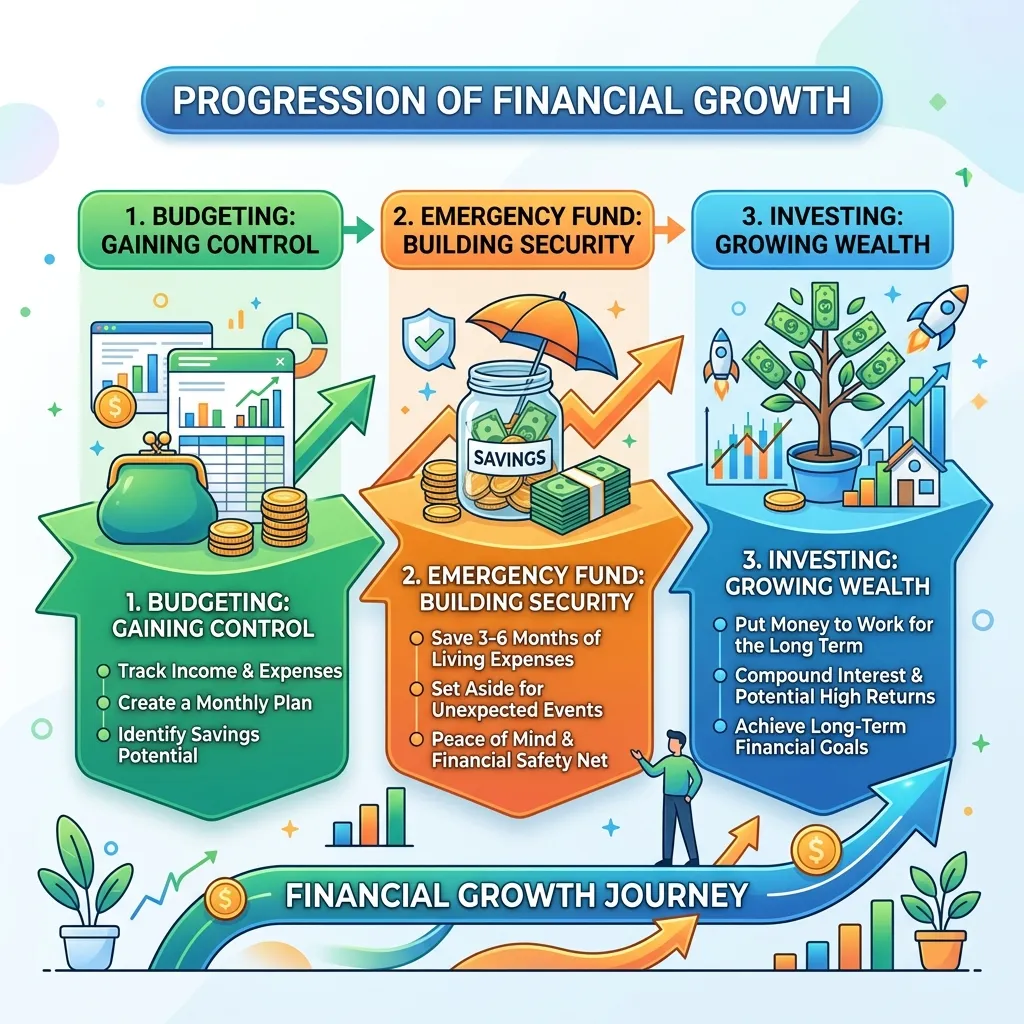
- Create a Simple Budget: The first step to reducing stress is knowing exactly where your money goes. Track all income and expenses for one month without judgment.
- Build an Emergency Cushion: Aim to save at least $500 immediately. This small cushion acts as a psychological safety net, preventing minor setbacks from becoming major crises.
What are the essential steps for financial planning?
Effective financial planning is your roadmap to peace of mind. It requires moving beyond reactive spending and adopting proactive habits.
1. Mastering Your Money Flow: Budgeting Basics
A budget isn't a restriction; it's a spending plan. To make one effective, follow these steps:
- Track Everything: Use an app or spreadsheet to record every dollar spent for at least two weeks. Be honest about the "latte factor" (small, daily expenses).
- Differentiate Needs vs. Wants: Categorize spending into essentials (housing, food, utilities) and non-essentials (entertainment, dining out). Focus on optimizing your needs first.
- The 50/30/20 Rule: A simple guideline is allocating 50% of income to Needs, 30% to Wants, and 20% to Savings/Debt Repayment.
2. Tackling Debt Strategically
High-interest debt (like credit cards) is a major source of stress. Don't just pay the minimum; develop a plan:
- Prioritize High Interest: Focus your extra payments on debts with the highest interest rates first. This saves you the most money in the long run.
- Consider Methods: Use the Debt Avalanche (highest interest rate first) or the Debt Snowball (smallest balance first for quick psychological wins).
- Negotiate: Contact creditors to see if they offer lower interest rates or temporary payment plans during tough times.
3. Building Long-Term Security: Saving and Investing
Security comes from automating your future self's success.
- Automate Savings First: Treat savings like a non-negotiable bill. Set up automatic transfers to a dedicated high-yield savings account the day you get paid (Pay Yourself First).
- Build Your Safety Net: Work toward saving 3–6 months of living expenses in an easily accessible emergency fund.
- Understand Investing: Once basic needs are covered, start learning about investing (e.g., low-cost index funds or retirement accounts like a 401(k)). Consistency is more important than timing.
How can I align my money with my values?
True financial wellness means your money reflects who you are. This process, called values-based spending, ensures that your finances support a meaningful life.
Identifying Your Core Values
Take time for reflection: What do you value most in life? Is it family time, environmental sustainability, health, or freedom?
- Review Spending: Look at your last month's bank statements. Do the things you spend money on (e.g., fast fashion, excessive dining out) actually reflect what you said you valued (e.g., sustainability, healthy eating)?
- Conscious Choices: If you value health, allocate more funds to organic groceries or gym memberships. If you value community, support local businesses.
Making Ethical Investments
As your financial knowledge grows, consider the impact of your money:
- Socially Responsible Investing (SRI): Research companies that align with your ethical values—those that prioritize environmental sustainability or social equity.
- Avoid Conflict: Be aware of where your investments are going. Choosing to divest from industries you disagree with is a powerful way to align wealth and ethics.
What does financial literacy really mean?
Financial literacy is the knowledge base that empowers you to make smart, confident decisions about money. It’s not innate; it's a skill set you build over time.
Key Concepts to Master
You don't need an MBA, but understanding these concepts can drastically reduce anxiety:
- Credit Scores: Understand what they are and how responsible usage (paying bills on time) improves them.
- Interest Rates: Know the difference between APR and interest rates when taking out loans or using credit cards.
- Diversification: Never put all your financial eggs in one basket. Spreading investments across different asset types reduces risk.
- Taxes: Understand basic tax concepts to minimize unnecessary losses and maximize savings.
Resources for Continuous Learning
Financial knowledge is always evolving. Commit to being a lifelong learner by utilizing these resources:
- Non-Profit Counseling: Utilize free services from organizations like the Consumer Financial Protection Bureau (CFPB) or local credit counseling agencies.
- Reputable Education: Take courses on personal finance through platforms like Coursera or edX, taught by accredited institutions.
- Reading: Follow established financial experts and read books that simplify complex topics like investing and retirement planning.
Summary: Your Path to Financial Peace of Mind
Financial wellness is a journey built on awareness and action. By treating your finances with the same care you give your physical health—by budgeting, tackling debt systematically, building an emergency fund, and aligning spending with your deepest values—you can significantly reduce stress and build lasting peace of mind. Start small today; every tracked expense and saved dollar is a step toward a healthier, more fulfilling life.
Frequently Asked Questions
Financial wellness is more than just having money; it's about feeling secure, in control of your finances, and aligning your spending with your core values to achieve peace of mind.