

What Is Purpose, and Why Does It Matter for Well-Being?
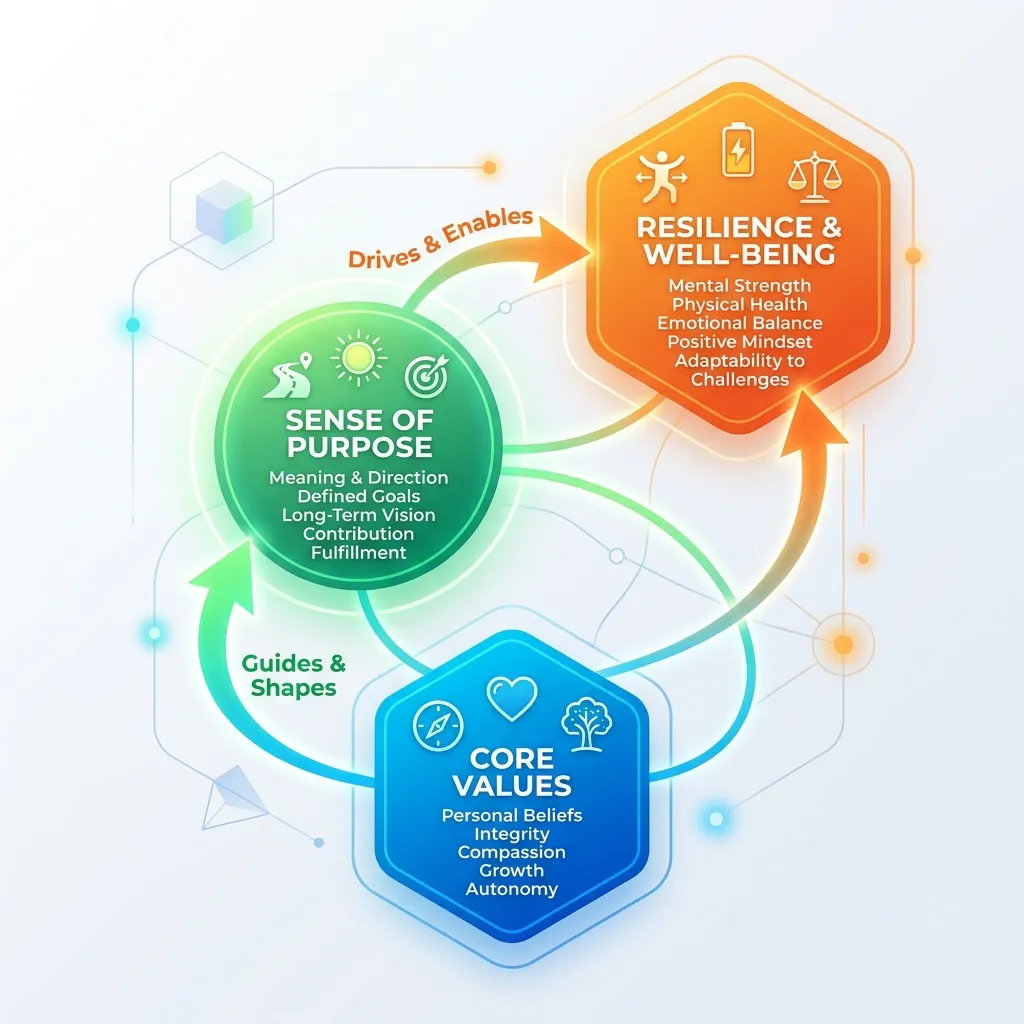
Finding your purpose is not merely a philosophical exercise; it is a critical component of human health that directly influences mental resilience, emotional stability, and even physical longevity. In the context of holistic well-being, purpose refers to understanding why you are here—your unique sense of meaning and contribution to the world. It acts as an internal compass, guiding your decisions and providing a powerful source of motivation when life becomes challenging.
A strong sense of purpose helps us move beyond simply managing symptoms; it allows us to build a deeply fulfilling life by connecting our daily actions with our core values. This connection is what transforms mere existence into meaningful living.
How Do We Discover Our Core Sense of Meaning?
The journey to purpose is rooted in deep self-reflection. It requires systematically examining three key areas: your values, your beliefs, and your passions. By understanding these internal pillars, you can build a life that feels authentic and significant.
Identifying Your Guiding Values
Your core values are the fundamental principles—like integrity, compassion, or freedom—that dictate what you consider important in life. When your actions align with your values, you experience fulfillment; when they conflict, you feel dissonance.
- Actionable Reflection: To identify your values, reflect on moments when you felt most proud or fulfilled. What specific principles were being honored?
- Practical Tip: Keep a "Value Journal." Whenever you make a major decision, ask yourself: "Does this choice align with my deepest values?"
Examining Your Beliefs and Assumptions
Beliefs are the convictions you hold about yourself, others, and the world. Sometimes these beliefs—especially limiting beliefs (e.g., "I'm not good enough")—are unconscious roadblocks to finding your potential.
- Challenge Negative Thoughts: When a negative thought arises, pause and ask: "Is this belief factually true? Where did I learn this?"
- Reframing Power: Consciously replacing limiting beliefs with empowering affirmations (e.g., changing "I always fail" to "I am capable of learning and growing") is key to unlocking potential.
Defining Your Unique Passions and Strengths
Your passions are the activities that make you lose track of time, while your strengths are the natural talents you possess. Purpose often lies at the intersection of what you love, what you are good at, and what the world needs.
- The "Flow" State: Pay attention to activities where you enter a state of flow—a deep immersion where time seems to disappear. These moments are powerful indicators of your purpose.
- Legacy Thinking: Consider what impact you want to leave on others. This thought process helps define your unique contribution and sense of meaning.
What Practices Nourish the Spirit and Build Purpose?
Once self-reflection has provided clarity, consistent practices are needed to nourish your spirit and maintain a connection to your purpose. These habits help ground you in the present moment and expand your perspective.
🧘 Mindfulness and Meditation
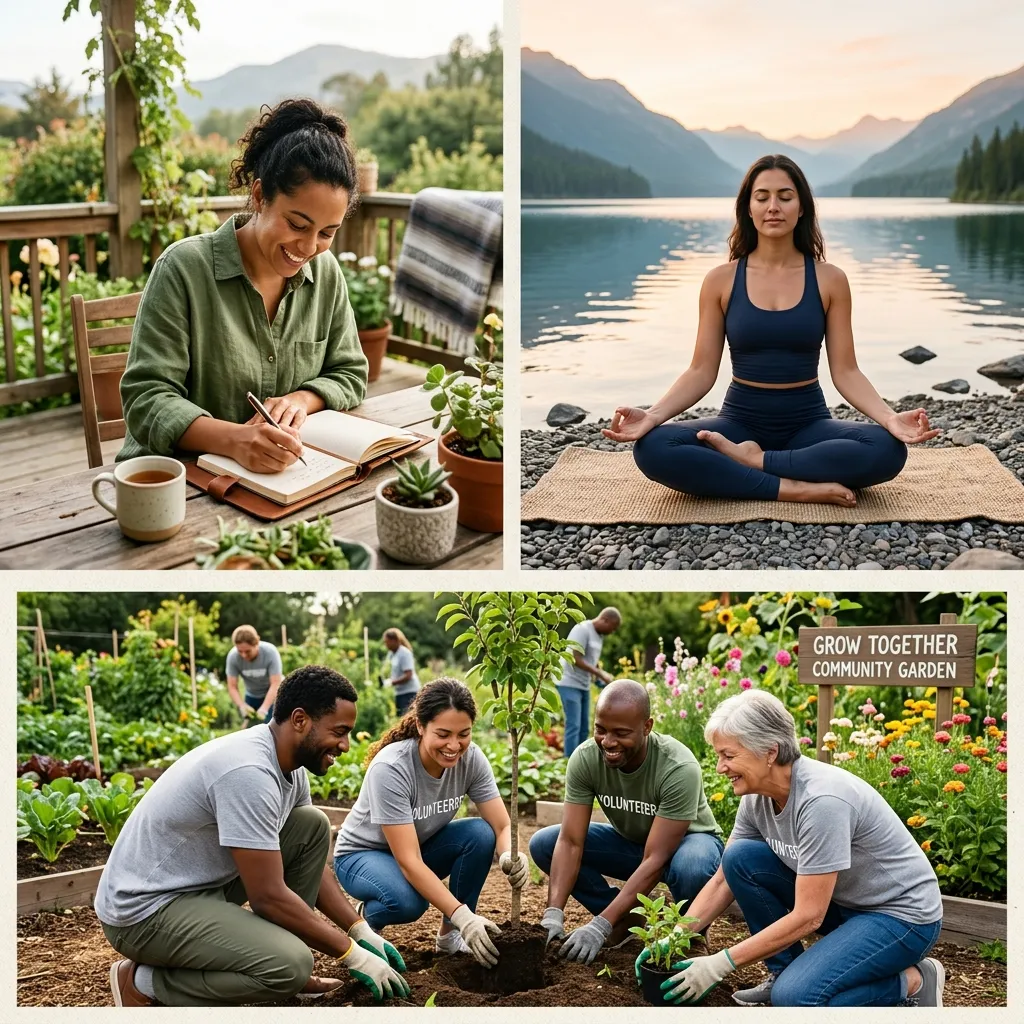
These techniques train your mind to focus on the present moment without judgment. By quieting mental chatter, mindfulness allows you to hear your inner voice—the source of your true values.
- How to Start: Begin with just five minutes of mindful breathing each day. Focus solely on the sensation of air entering and leaving your body.
- Benefit: Regular practice significantly reduces stress hormones (like cortisol) and enhances emotional regulation.
🌳 Connecting with Nature
Spending time in natural environments is a powerful, scientifically proven way to reset the nervous system and foster feelings of awe—a feeling that connects us to something larger than ourselves.
- Forest Bathing: This practice involves immersing all five senses in the forest atmosphere. It has been shown to lower blood pressure and improve mood.
- Actionable Tip: Make a conscious effort to spend at least 20 minutes outdoors weekly, whether through hiking or simply sitting by water.
✨ Creative Expression and Service
Purpose is often found when we move from internal reflection to external action. Engaging in creative pursuits or helping others provides immediate meaning.
- Creative Outlet: Whether it's painting, writing, or playing music, creating something allows you to process emotions and express your unique perspective without needing words.
- Acts of Service: Volunteering or simply performing random acts of kindness shifts focus outward. Research shows that altruism boosts the giver's own sense of purpose and happiness.
How Does Purpose Impact Physical Health and Longevity?
The link between mental meaning and physical health is robustly supported by modern research. Having a strong sense of purpose is not just "nice to have"—it's a protective factor against chronic disease.
🛡️ Resilience Against Adversity
Purpose acts as an emotional buffer. When faced with loss, illness, or professional setbacks, having a defined 'why' gives you the motivation and perspective needed to persevere. It transforms challenges from overwhelming obstacles into solvable problems.
❤️ Improved Cardiovascular Health
Studies have linked high levels of meaning-in-life scores to lower rates of cardiovascular disease. The sense of belonging and purpose encourages healthier habits, such as regular exercise and better sleep hygiene.
🧬 Longevity and Biological Markers
Perhaps the most compelling evidence is the link between purpose and biological markers of aging. Research has suggested that individuals with a strong sense of meaning may exhibit longer telomeres—the protective caps on chromosomes associated with cellular age—and lower levels of chronic stress hormones, contributing to overall longevity.
Cultivating Your Path: A Lifelong Commitment
Remember that finding your purpose is not a single destination; it is an ongoing process of self-discovery and refinement. Treat this journey with patience and kindness.
- Embrace Imperfection: Do not expect immediate answers. View setbacks or periods of confusion as necessary data points on your path, not failures.
- Practice Self-Compassion: Be as kind to yourself when you struggle to find meaning as you would be to a close friend. Self-acceptance is the foundation of true purpose.
- Stay Open: Remain open to new experiences, different philosophies, and people who challenge your assumptions.
By actively integrating self-reflection, mindful practices, and meaningful contribution into your daily life, you can unlock profound levels of well-being that extend far beyond physical fitness.
Frequently Asked Questions
No. Spirituality is generally defined as a personal search for meaning, connection, and purpose, which can exist independently of organized religious doctrine.