
What Exactly Is the Holistic Approach to Aging?
Holistic aging is an empowering, proactive framework that shifts focus from fighting the signs of age to optimizing overall well-being—mind, body, and spirit—to ensure a vibrant life at every stage. It recognizes that health is not merely the absence of disease, but rather a state of balance where physical vitality, mental sharpness, and strong social connections work together seamlessly.
Shifting Focus: From Anti-Aging to Thriving
For decades, popular culture has promoted an "anti-aging" mindset—a pursuit of eternal youth that often leads to unrealistic expectations and anxiety. Holistic aging flips this script entirely. It acknowledges the natural process of maturation while empowering you to maximize your potential right now.
Instead of asking, "How do I stop time?" we ask, "How can I live my most fulfilling life today?"
This approach emphasizes:
- Acceptance: Embracing the wisdom and experiences that come with age.
- Proactivity: Taking charge of preventative care and lifestyle choices.
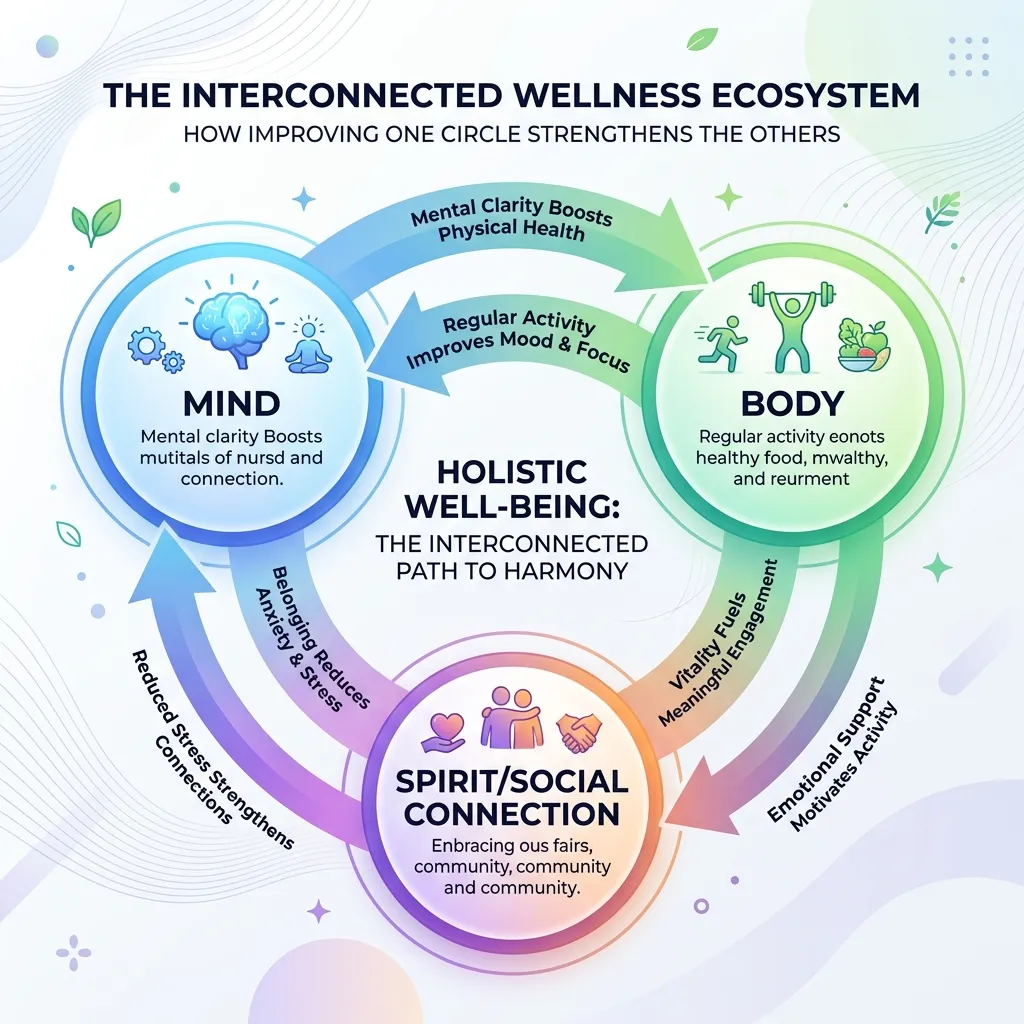
- Interconnectedness: Understanding that improving one area (like diet) positively impacts another (like mood).
Why is a Holistic View Necessary for Longevity?
The concept of holistic health suggests that the human body operates as an interconnected system. If you neglect one pillar—for example, physical movement—it will inevitably impact others, such as mental clarity and emotional resilience.
The Core Pillars of Well-Being
Holistic aging is built upon six foundational principles:
- Interconnectedness: Recognizing that your sleep quality affects your mood, which in turn impacts your diet choices.
- Individuality: Understanding there is no single "perfect" routine; the plan must adapt to your unique life stage and needs.
- Proactivity: Making preventative lifestyle changes rather than waiting for a health crisis.
- Balance: Maintaining equilibrium across physical, mental, emotional, and social domains.
- Purpose: Finding meaning in your daily life through contribution or passion.
- Adaptability: Being flexible enough to modify routines as chronic conditions or life circumstances change.
How Can I Maintain Physical Health as I Age?
Physical well-being is the foundation of all other aspects of life. Maintaining strength, mobility, and proper nutrition requires consistent effort throughout your years.
1. Movement: Beyond Just Walking
Regular physical activity is crucial for maintaining muscle mass, bone density, cardiovascular health, and cognitive function. The goal is not just exercise; it's functional movement that supports daily life.
- Cardio: Aim for at least 150 minutes of moderate-intensity aerobic exercise (like brisk walking or swimming) per week.
- Strength Training: Incorporate strength exercises (using weights, resistance bands, or body weight) at least two days a week. This is vital for preventing sarcopenia (age-related muscle loss).
- Balance & Flexibility: Dedicate time to activities like yoga, tai chi, or simple stretching. These practices are key to reducing the risk of falls and improving coordination.
2. Nutrition: Fueling Your Body’s Needs
Dietary needs change with age. Focus on nutrient density rather than just calorie counting.
- Protein Power: Prioritize lean proteins (fish, beans, poultry) at every meal to combat muscle loss.
- Bone Health Trio: Ensure adequate intake of Calcium, Vitamin D, and Magnesium. Sunlight exposure combined with dietary sources is key.
- Gut Focus: Consume high-fiber foods (whole grains, vegetables) to support a healthy gut microbiome, which is linked to mood and immunity.
- Hydration: Drink plenty of water throughout the day; dehydration can mimic symptoms of fatigue or cognitive fog.
3. Rest: Prioritizing Sleep Quality
Sleep is when your body repairs itself. Aim for 7–9 hours of quality sleep. If you struggle with falling asleep or staying asleep, focus on improving "sleep hygiene":
- Maintain a consistent bedtime and wake-up time, even on weekends.
- Keep the bedroom cool, dark, and quiet.
- Avoid screens (blue light) for at least an hour before bed.

What Practices Keep My Mind Sharp and Engaged?
Mental stimulation is as important as physical exercise. Keeping the brain active helps maintain cognitive function and can significantly reduce the risk of cognitive decline.
Lifelong Learning and Cognitive Challenges
Never assume your learning stops after formal education. Challenge your mind regularly:
- Learn a New Skill: Take online courses, learn a new language, or pick up an instrument. The process of acquiring novel information builds neural pathways.
- Puzzles & Games: Engage in activities like crosswords, Sudoku, and strategic board games that require problem-solving and memory recall.
- Reading Widely: Reading complex material (non-fiction, literature) keeps the brain engaged with narrative structure and vocabulary.
The Power of Mindfulness and Connection
Mindfulness is not just relaxation; it's a form of cognitive training.
- Meditation: Even 5–10 minutes of daily meditation can reduce stress hormones and improve focus by teaching you to observe thoughts without judgment.
- Journaling: Writing about your day or reflecting on memories helps process emotions, improves self-awareness, and strengthens writing centers in the brain.
How Do I Build Purpose and Social Connection?
Humans are fundamentally social creatures. Loneliness and isolation are major health risks that can impact physical health as severely as smoking. Building a strong community network is non-negotiable for holistic aging.
Nurturing Relationships
- Stay Connected: Make intentional time to call, video chat, or visit friends and family regularly. Don't wait for them to reach out; initiate the connection.
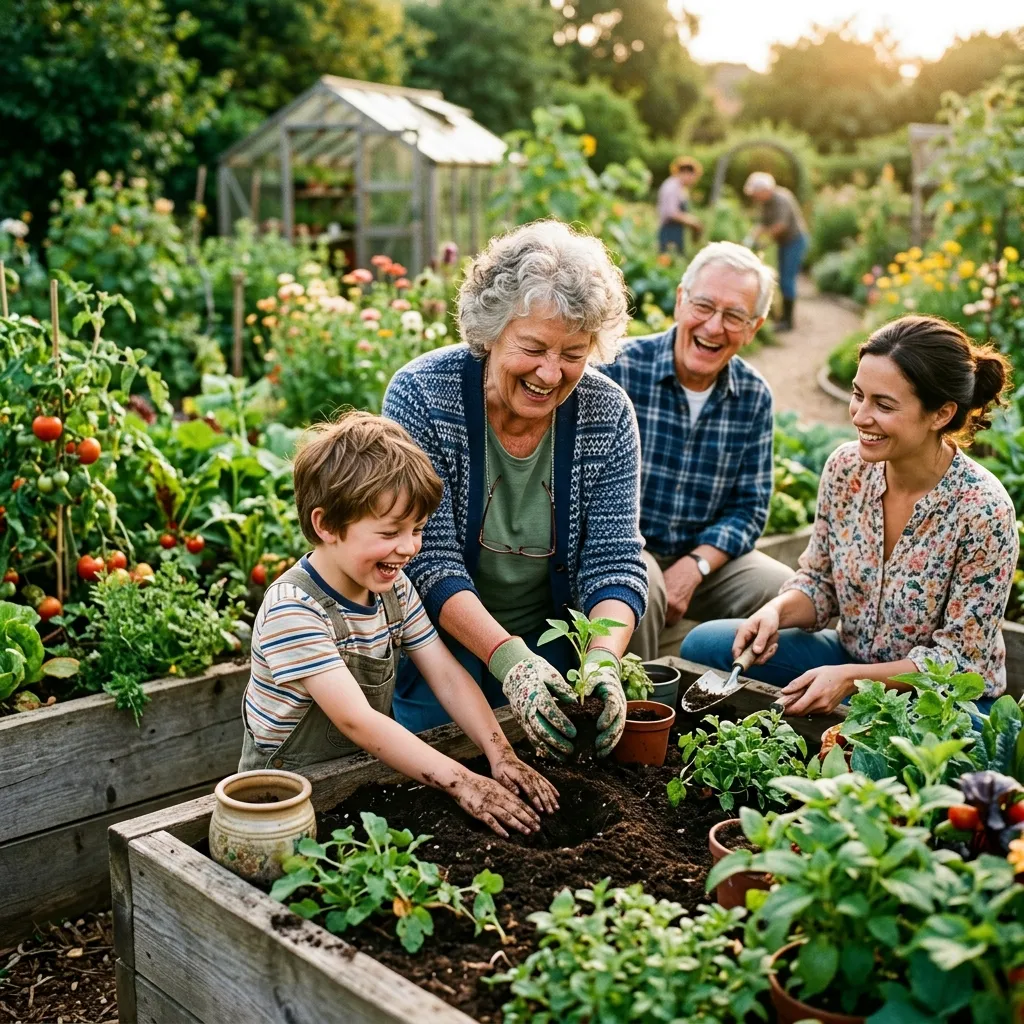
- Join Groups: Participate in local clubs—whether it’s a book club, hiking group, or community garden. Shared interests are the easiest way to build lasting bonds.
Finding Meaning Through Contribution
A sense of purpose is often found by contributing to something larger than oneself. This provides motivation and resilience.
- Volunteer: Dedicate time to a cause you care about (animal shelters, schools, food banks). Volunteering gives structure, purpose, and social interaction.
- Mentoring: Share your professional or life wisdom with younger generations. Teaching is one of the best ways to solidify knowledge and feel valued.
Adapting Your Approach as Needs Change
The most crucial aspect of holistic aging is flexibility. What worked at age 50 may not work at age 75. It is vital to adapt your practices rather than giving up entirely.
Key Adaptations Checklist
- Physical: If high-impact exercise causes pain, switch to low-impact options like water aerobics or chair yoga. Always consult a physical therapist before making major changes.
- Nutritional: If digestion slows down, focus on easily digestible foods and ensure adequate fiber intake through supplements or soft sources.
- Emotional/Social: If mobility limits travel, find local virtual groups (online book clubs) to maintain social engagement.
When to Seek Professional Help
While self-care is powerful, remember that professional support is essential for certain challenges:
- Significant Memory Loss: Consult a neurologist or geriatric specialist.
- Persistent Depression/Anxiety: Talk to a licensed therapist or counselor.
- Chronic Pain: Work with an occupational therapist (OT) and physical therapist (PT) to develop safe, customized movement plans.
Conclusion: Embracing the Journey of Active Aging
Aging is not a decline; it is a continuous process of adaptation and accumulation of wisdom. By adopting a holistic perspective—treating your mind, body, and social life with equal importance—you can shift your focus from simply surviving to thriving.
Embrace the journey by:
- Prioritizing Quality: Focus on the quality of your interactions, sleep, and nutrition over sheer quantity.
- Staying Curious: Maintain a beginner's mindset; always be willing to learn something new.
- Connecting Deeply: Invest time in relationships that nourish your soul.
By taking this proactive, holistic approach, you not only enhance your own quality of life but also contribute positively to your community and family for years to come.
Frequently Asked Questions
No. Anti-aging focuses on reversing signs of age, which is often unrealistic. Holistic aging focuses on optimizing your current state—improving overall quality of life and function.