
What Exactly Is Holistic Parenting?
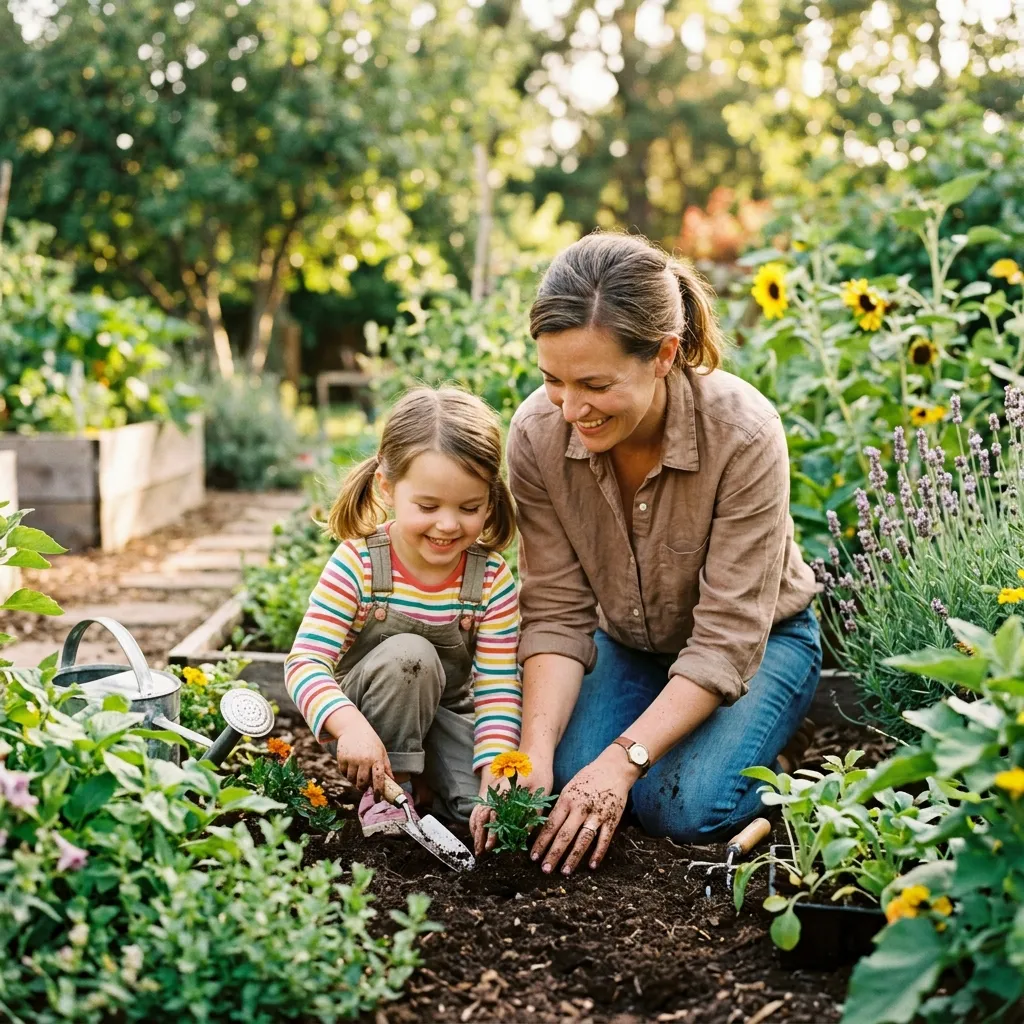
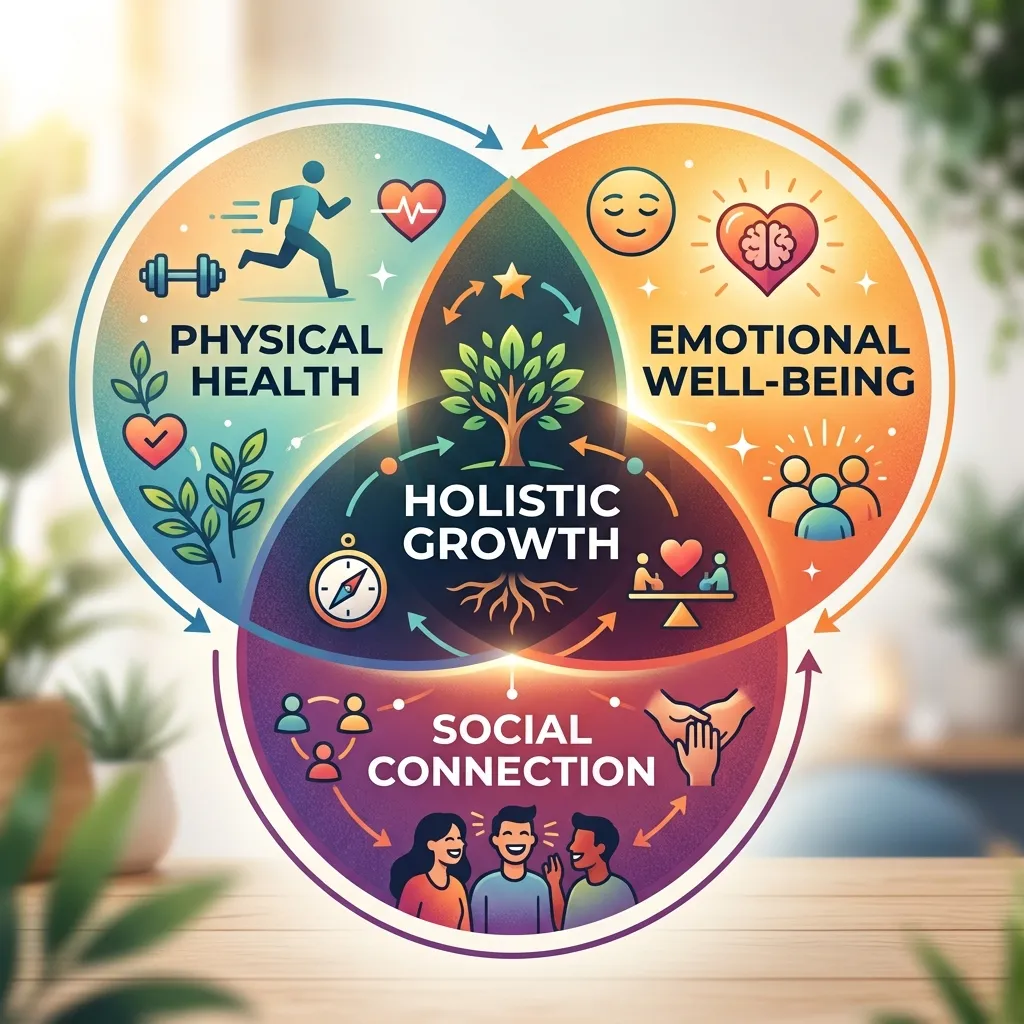
Holistic parenting is an approach that views the child as a complete, interconnected being—mind, body, spirit, and social self. It moves beyond simply addressing immediate needs (like grades or behavior) to proactively nurturing their overall well-being for life. This means fostering self-awareness, building emotional resilience, and creating a supportive environment where they can thrive in every aspect of their development.
Think of it like tending a garden: you don't just water the leaves; you nourish the roots, the soil, and the entire ecosystem so that the plant can grow strong and resilient on its own.
Why Does Holistic Parenting Matter?
The goal is not perfection, but balance. By treating physical health, emotional literacy, social skills, and intellectual growth as equally important pillars, parents equip children with the foundational tools they need to navigate stress, build meaningful relationships, and make informed life choices.
How Can I Nurture Physical Development?
Physical well-being is the foundation for all other learning and emotional stability. It involves more than just avoiding illness; it requires building a body that is strong, resilient, and full of energy.
🍎 Nutrition: Fueling the Mind and Body
- Prioritize Whole Foods: Focus on fruits, vegetables, whole grains, and lean proteins while limiting processed snacks and sugary drinks.
- Model Good Habits: Let your child see you enjoying a variety of healthy foods. If you don't want them to eat it, avoid eating it yourself.
- Involve Them in Food Prep: Allow children to help with grocery shopping or washing vegetables. This builds ownership and curiosity about food sources.
- Family Meal Times: Make meals a shared experience. Eating together provides connection and allows you to model mindful eating habits (e.g., listening to their body's signals of fullness).
🏃 Physical Activity: Building Resilience
Aim for at least 60 minutes of physical activity daily. This doesn't have to be structured sports; it can be a family walk, bike ride, or playing in the park.
Tips for Encouraging Movement:
- Make it Fun: Choose activities that genuinely interest your child (e.g., dancing, hiking).
- Limit Screen Time: Set clear boundaries on screen time to ensure physical activity remains a priority.
- Be an Active Role Model: Your enthusiasm for movement is the most powerful motivator.
😴 Sleep and Safety: The Basics of Growth
- Establish Routine: Maintain a consistent bedtime and wake-up schedule, even on weekends.
- Create a Wind-Down Ritual: Implement a relaxing routine (e.g., reading books, warm bath) to signal the body it's time to rest.
- Optimize Sleep Environment: Ensure the room is dark, quiet, and cool. Avoid screens for at least one hour before bed due to blue light interference.
What Strategies Support Emotional Well-being?
Emotional development is about building emotional literacy: the ability to understand, name, and manage feelings in healthy ways. It’s crucial for developing resilience when life gets challenging.
💖 Creating a Safe Space for Feelings
The most important tool you can give your child is the knowledge that their feelings are always valid.
- Validate Emotions: When they are upset, instead of dismissing it ("Don't cry over nothing"), try: "I see you are really frustrated right now." This acknowledges their feeling without agreeing with the behavior.
- Active Listening: Put away distractions (phones, chores) and give them your full attention when they speak.
- Avoid Judgment: Never criticize a child’s feelings, even if they seem irrational to you.
🧠 Teaching Emotional Regulation Skills
Emotional regulation is the skill of managing intense emotions. You teach this by modeling it yourself.
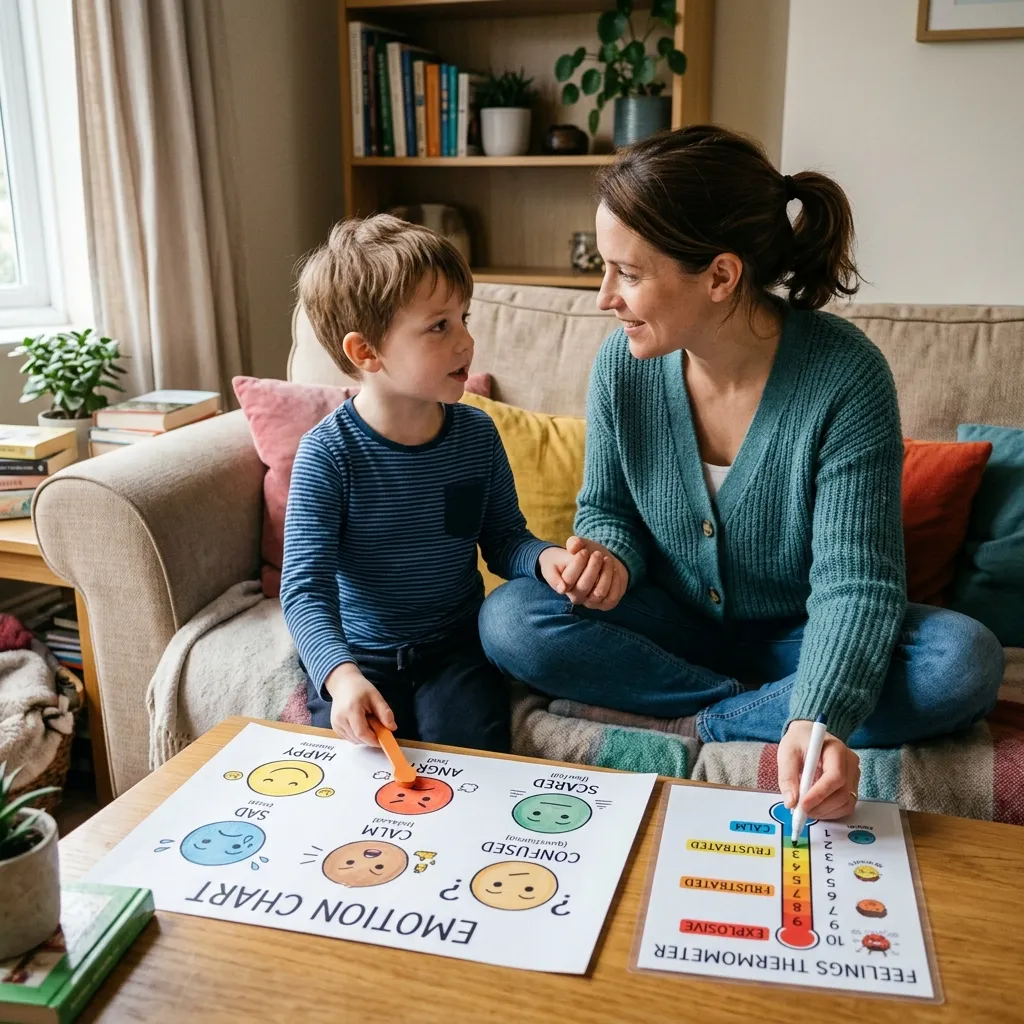
- Identify and Name: Help them use "feeling words" (e.g., frustrated, disappointed, curious) instead of just saying "mad."
- Model Coping Mechanisms: When you feel stressed, verbalize your coping process: "I am feeling overwhelmed right now, so I'm going to take three deep breaths."
- Practice Mindfulness Together: Use simple exercises like mindful breathing or a body scan to help them anchor themselves in the present moment when emotions run high.
How Do I Foster Social Development?
Social development is learning how to interact with others—a skill set that requires empathy, communication, and respect for boundaries.
🤝 Building Connection Through Interaction
- Opportunities: Enroll them in playgroups, sports, or community activities. These structured environments provide safe practice grounds for social skills.
- Teach the Fundamentals: Practice basic social exchanges like making eye contact, saying "please" and "thank you," and taking turns.
- Role-Playing Conflicts: When conflicts happen (yours or theirs), use role-playing to teach them how to resolve disagreements peacefully by listening to both sides and finding common ground.
🌍 Cultivating Empathy
Empathy is the ability to understand another person's feelings from their perspective. This skill must be taught:
- Discuss Perspectives: When reading books or watching movies, pause and ask: "How do you think that character felt when X happened?"
- Volunteer Together: Participating in community service helps them connect their actions to positive outcomes for others.
- Respect Diversity: Teach them to appreciate differences—in culture, ability, and background—as a source of strength, not conflict.
What Role Does the Family Environment Play?
The home environment is the primary laboratory for emotional learning. A supportive family structure provides the security needed for children to take risks, learn, and grow.
🏡 Pillars of a Nurturing Home
- Open Communication: Establish a "safe space" where any topic can be discussed without fear of judgment or punishment. Use open-ended questions ("How did that make you feel?") instead of yes/no questions.
- Consistency and Boundaries: Clear, predictable rules provide security. When boundaries are set, they must be enforced consistently to build trust.
- Quality Time: Dedicate time where the phone is put away. This focused, undivided attention signals deep love and respect.
- Shared Values: Discussing family values (e.g., kindness, honesty) helps children understand their moral compass and sense of belonging.
Summary: Making Holistic Parenting a Lifelong Practice
Holistic parenting isn't a checklist; it is a mindset. It requires continuous self-reflection from the parent—recognizing that you must first care for your own mental health to effectively guide your child’s.
Key Takeaways for Parents:
- Be Present: When interacting with your child, be fully present and attentive.
- Model Everything: Your habits (stress management, healthy eating, emotional expression) are the most powerful lessons you can teach.
- Celebrate Effort: Focus on effort and progress rather than just outcomes or perfection.
By integrating physical activity, emotional intelligence, social skills, and self-care into your daily family life, you empower your child to become a resilient, well-rounded individual prepared for a fulfilling life.
Frequently Asked Questions
Traditional parenting often focuses on academic or behavioral compliance. Holistic parenting views the child as an interconnected whole—mind, body, spirit, and social self—ensuring all aspects are nurtured for lifelong well-being.