What Exactly Is Holistic Wellness?
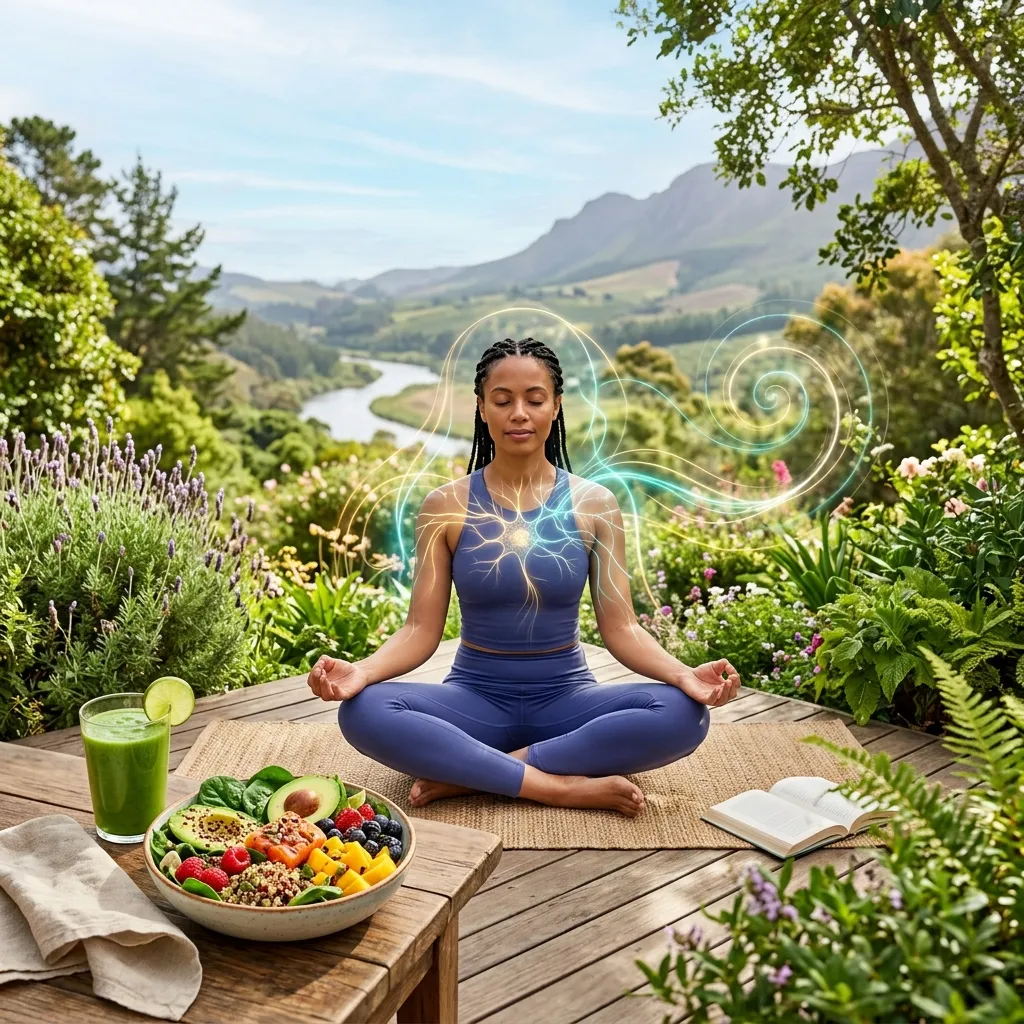
Holistic wellness is a proactive approach to health that recognizes the interconnectedness of every part of your being—your mind, body, spirit, emotions, and environment. It moves beyond simply treating symptoms; instead, it focuses on cultivating balance across all dimensions of life so you can achieve optimal well-being.
If one area is out of sync—for example, chronic stress (mental) affecting sleep (physical)—it impacts the entire system. A truly holistic approach addresses these root causes to help you build a resilient and fulfilling life.
Understanding the Pillars of Well-Being
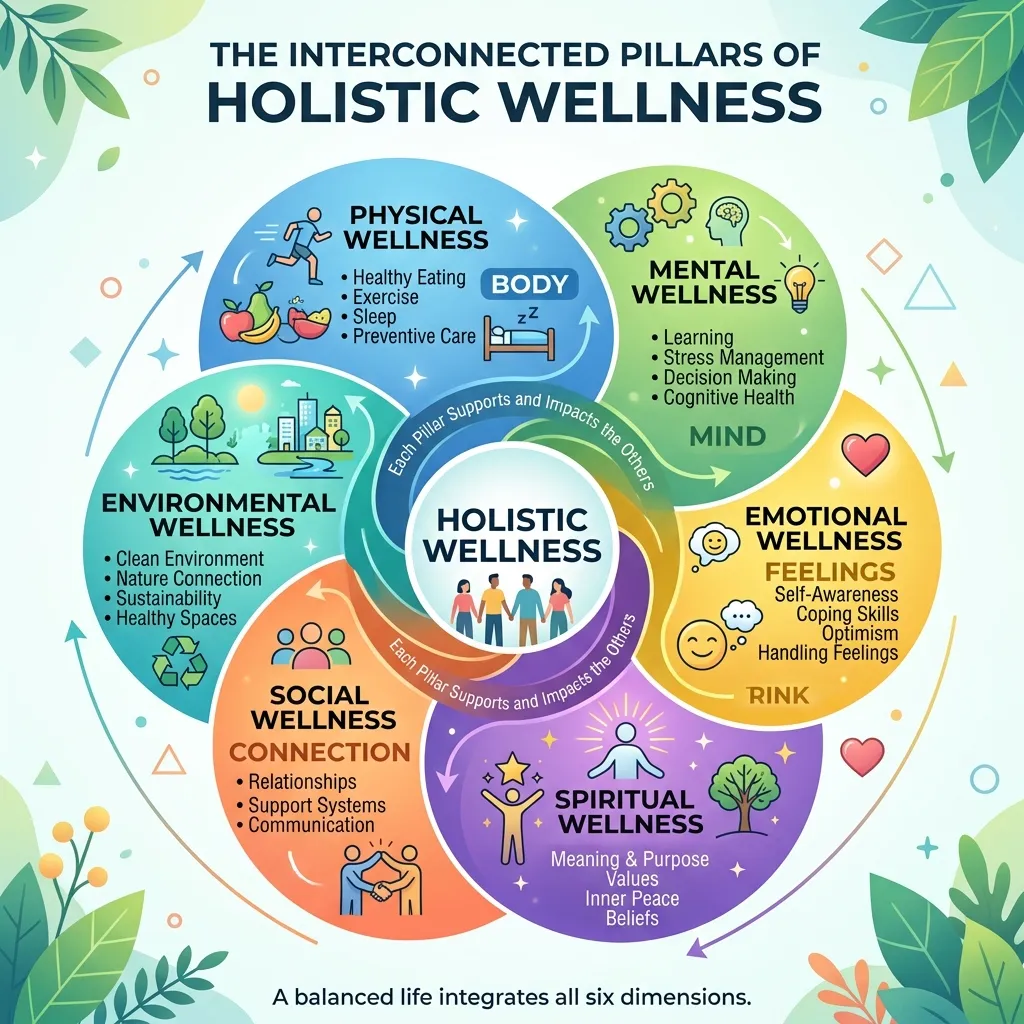
To achieve balance, it helps to understand the key dimensions that contribute to overall health:
- Physical Health: Maintaining optimal nutrition, engaging in regular exercise, prioritizing quality sleep, and managing physical ailments.
- Mental Health: Focuses on cognitive function, stress management techniques, and maintaining emotional stability.
- Emotional Health: The ability to understand, process, and manage feelings; building resilience and fostering healthy relationships.
- Spiritual Health: Finding meaning and purpose in life, connecting with values, or cultivating inner peace—this does not necessarily mean religious affiliation.
- Social Health: Building and maintaining supportive community ties and engaging actively with your social circle.
- Environmental Health: Recognizing how your surroundings (air quality, local environment, home design) impact your physical and mental state.
Why is a Comprehensive Approach Necessary?
In modern life, we often treat symptoms rather than causes. For instance, taking a pill for anxiety treats the symptom, but it doesn't address the underlying cause, such as poor sleep hygiene or chronic work stress.
A holistic toolkit helps you look at the whole picture. By identifying imbalances in one area (like neglecting social connections), you can proactively adjust other areas (like scheduling community time) to improve overall well-being. Self-awareness is the first and most crucial step toward this comprehensive care.
📚 Curated Resources: Books, Apps, and Websites for Deepening Your Knowledge
Building a toolkit means gathering reliable information. Here are highly recommended resources across different modalities to support your journey.
Best Books for Holistic Insight
Reading can provide foundational knowledge and actionable frameworks. Look for books that challenge conventional thinking and emphasize self-responsibility.
- For Mind-Body Connection: Mind Over Medicine by Lissa Rankin, MD. This book provides scientific evidence on how thoughts and beliefs actively influence physical healing.
- For Trauma & Healing: The Body Keeps the Score by Bessel van der Kolk, MD. A comprehensive look at trauma's impact on the brain and body, introducing modalities like mindfulness and yoga for recovery.
- For Self-Compassion: Radical Acceptance by Tara Brach, PhD. Offers practical tools to overcome self-criticism and cultivate a deeper sense of self-acceptance.
- For Nutrition & Diet: Eat to Live by Joel Fuhrman, M.D. Focuses on nutrient density for sustainable weight management and optimal health.
🌐 Reliable Websites for Evidence-Based Information
When seeking information online, always prioritize government or academic sources over anecdotal blogs.
- National Center for Complementary and Integrative Health (NCCIH): A reliable source providing evidence-based summaries on complementary therapies like acupuncture and herbal medicine.
- Mindful.org: Offers guided meditations, articles, and courses focused purely on mindfulness techniques, making it easy to integrate practice into daily life.
- Mayo Clinic / WHO: These major medical institutions provide authoritative, general health guidelines for everything from nutrition to disease prevention.
- NutritionFacts.org: Excellent resource for unbiased, science-backed information regarding specific foods and their nutritional benefits.
📱 Top Apps for Daily Practice
Technology can be a powerful complement to self-care when used intentionally.
- Calm / Headspace: Both offer guided meditations, sleep stories, and breathing exercises, making mindfulness accessible even on busy days.
- MyFitnessPal: Essential for tracking diet and exercise, helping you monitor your intake of macronutrients and calories toward specific goals.
- Insight Timer: A vast library of free guided meditations from global teachers, perfect for exploring different styles of practice.
🧘♀️ How Can I Find Qualified Local Practitioners?
While self-study is vital, connecting with local experts can accelerate your progress. Finding qualified help requires diligence and caution.
Where to Look for Care:
- Primary Care Physician (PCP) Referrals: Start here. Your PCP can often provide initial referrals or direct you to reputable local networks.
- Professional Directories: Utilize specialized directories like the American Holistic Health Association (AHHA).
- Local Wellness Centers: Search for community centers that offer diverse services, such as yoga studios, acupuncture clinics, and naturopathic practices.
⚠️ Crucial Safety Checklist:
Before committing to any practitioner or modality, always verify these points:
- Credentials: Confirm their specific training (e.g., MD, PhD, RD) and state licensing status.
- Scope of Practice: Understand exactly what they are qualified to treat. A holistic practitioner is not a substitute for emergency medical care.
- Consultation: Schedule an initial consultation. This allows you to assess the therapeutic relationship and ensure their approach aligns with your goals.
🚀 Building Your Personalized Wellness Plan: Next Steps
Remember, there is no single "perfect" wellness plan. The most effective strategy is one that is personalized, adaptable, and sustainable for you.
Actionable Strategies for Implementation:
- Start Small: Do not attempt to overhaul every aspect of your life at once. Choose one small, manageable habit (e.g., drinking an extra glass of water or meditating for five minutes) and commit to it for two weeks.
- Prioritize Sleep: Treat sleep hygiene as non-negotiable. Consistent sleep is the foundation upon which all other wellness efforts are built.
- Practice Self-Reflection: Keep a journal. Regularly ask yourself: What brought me energy today? What drained my emotional reserves? This helps you identify patterns and triggers.
- Embrace Flexibility: Life changes, and your plan must change with it. Be willing to adjust your goals or methods when circumstances shift.
Summary Checklist for Continuous Growth:
- ✅ Assess Balance: Are all pillars (physical, mental, emotional) receiving attention?
- ✅ Seek Support: Have you connected with a community or professional mentor?
- ✅ Review Sources: Are the resources you are using evidence-based and reputable?
- ✅ Be Patient: View wellness as a marathon of small, consistent actions, not a sprint to perfection.
By viewing your health journey through this comprehensive lens, you empower yourself to make informed choices that support true, lasting well-being. Take the first step today—even if it's just five minutes of mindful breathing—and commit to continuous self-care.
Frequently Asked Questions
Conventional medicine focuses on treating specific diseases using scientific models. Holistic medicine, however, treats the whole person—mind, body, spirit, and environment—recognizing that all aspects are interconnected.