

What Exactly is Holistic Wellness?
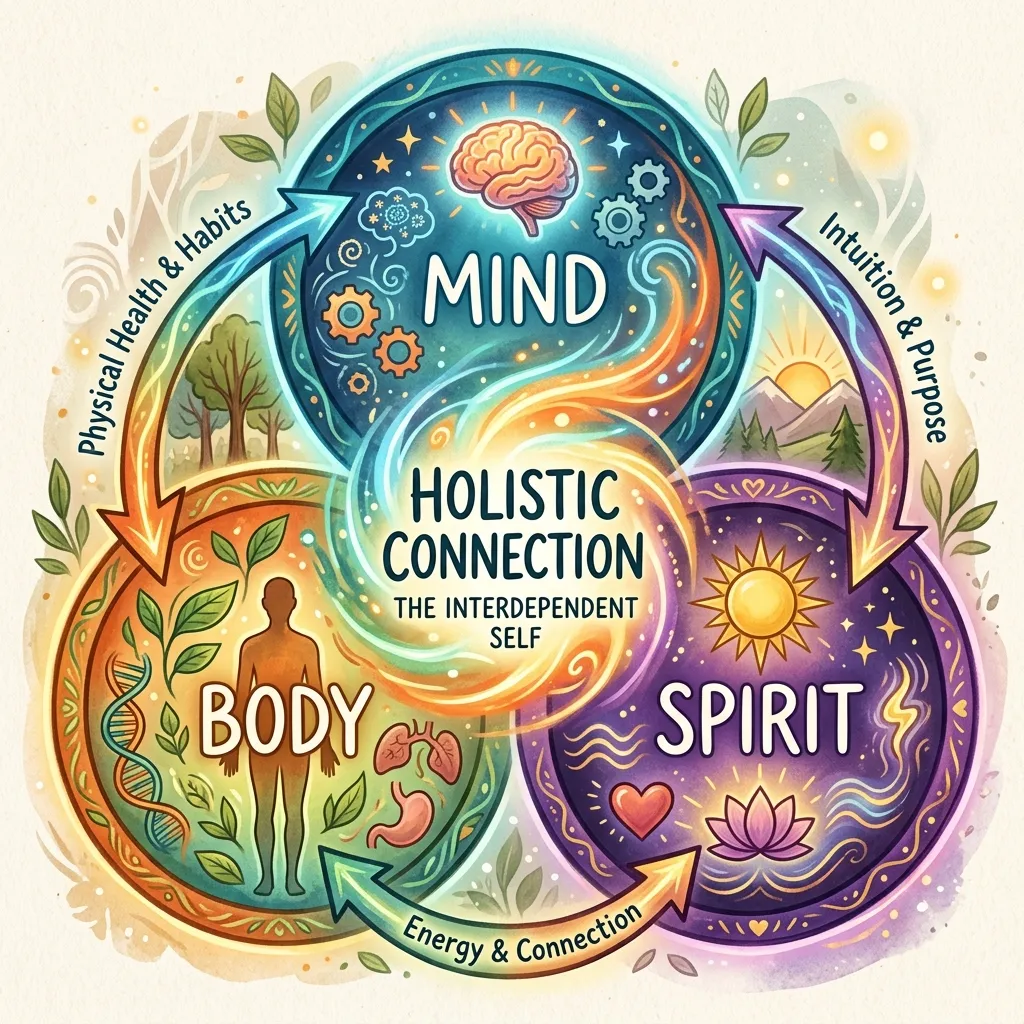
Holistic wellness is a comprehensive, proactive approach to health that views the individual as an interconnected system—mind, body, and spirit—rather than a collection of separate parts. It moves beyond simply treating symptoms (like taking a pill for anxiety or pain) to identifying and addressing the root causes of imbalance. In essence, it seeks balance across all dimensions of your life, recognizing that what affects one area inevitably impacts the others.
This approach empowers you to take ownership of your health by considering lifestyle factors—such as stress management, emotional processing, social connections, and purpose—alongside diet and exercise.
Why Does Conventional Medicine Sometimes Miss the Bigger Picture?
For decades, conventional medicine has excelled at diagnosing and treating specific diseases using a reductionist model—treating the body as a machine with separate parts. While this approach is vital for saving lives, it can sometimes overlook the complex interplay of factors that contribute to chronic illness.
Holistic wellness asks broader questions:
- What are your stress levels? (The emotional impact)
- Do you have strong social support? (The relational impact)
- Are you getting adequate sleep and nutrition? (The physical foundation)
- Do you feel a sense of purpose in life? (The spiritual/meaning impact)
By integrating these questions, holistic practitioners aim to create a personalized plan that addresses the entire landscape of your well-being.
The Pillars of Wellness: Understanding Interconnected Systems
The core principle is that health is not linear; it's cyclical and interconnected. When one pillar weakens, it creates stress on all the others. Let’s explore the primary connections:
🧠 Mind-Body Connection
This relationship demonstrates how our thoughts and emotions physically manifest in our bodies, and vice versa.
- Stress Hormones: Chronic stress triggers the release of cortisol and adrenaline. Over time, sustained high levels of these hormones can weaken the immune system, disrupt sleep patterns, and contribute to digestive issues.
- Emotional Manifestation: Suppressed emotions—such as unresolved grief or chronic anger—can manifest physically as unexplained headaches, muscle tension (especially in the neck and shoulders), or gastrointestinal distress.
- The Power of Belief: The mind's power is demonstrated by the placebo effect. It highlights that belief, expectation, and positive mental focus can genuinely influence the body’s healing processes.
💪 Body-Mind Connection
Our physical state directly influences our mood, cognitive function, and emotional resilience.
- Exercise and Mood Boost: Physical activity is a powerful natural antidepressant. Exercise releases endorphins, which are natural mood elevators, helping to reduce anxiety and improve self-esteem.
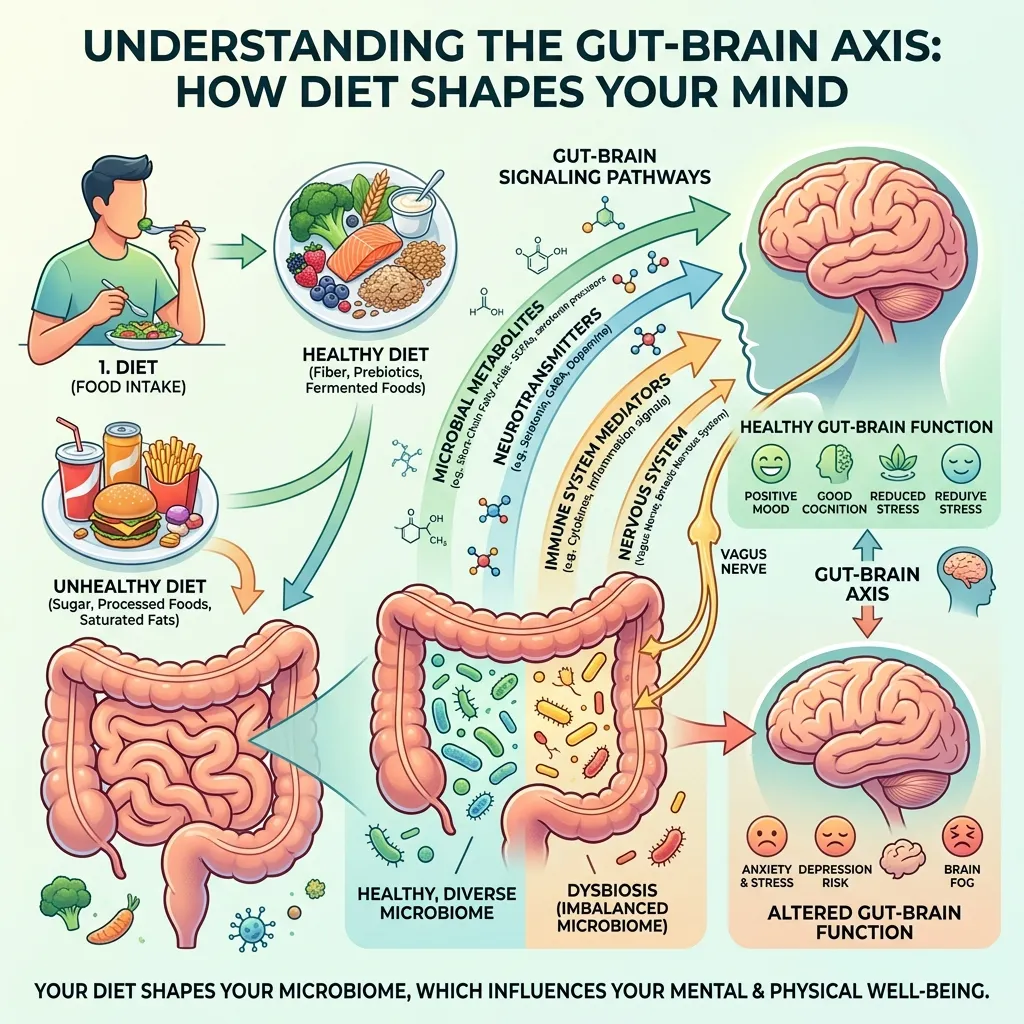
- Nutrition for Clarity: The gut-brain axis proves that what we eat directly impacts our mental clarity. A diet rich in whole foods, omega-3 fatty acids, and fiber supports optimal brain function and stable moods.
- Sleep as Restoration: Adequate sleep is non-negotiable for mental health. During deep sleep cycles, the brain processes emotions, consolidates memories, and regulates mood chemicals. Chronic sleep deprivation impairs focus and increases vulnerability to anxiety.
✨ Spirit and Social Connection
These dimensions provide meaning and belonging—the fuel for a resilient life.
- Purpose and Meaning: Having a strong sense of purpose gives life direction and motivation. Research consistently shows that individuals with a defined sense of calling tend to report higher levels of longevity and overall satisfaction.
- Social Support: Strong relationships are one of the most powerful predictors of health. Feeling connected reduces feelings of isolation, provides emotional resilience during crises, and acts as a buffer against stress.
- Mindfulness and Gratitude: Practices like meditation and journaling help cultivate self-awareness. By focusing on gratitude, we shift our perspective away from perceived lack toward appreciation, which is scientifically linked to increased happiness and lower cortisol levels.
How Does Holistic Wellness Address Root Causes?
Instead of simply managing symptoms (e.g., taking a pill for high blood pressure), holistic wellness seeks the why behind the problem. This requires deep investigation into multiple lifestyle areas.
🌿 Examples: From Symptom to Source
| Condition | Conventional Focus (Symptom) | Holistic Approach (Root Cause) | Potential Interventions |
|---|---|---|---|
| Chronic Fatigue | Medication for energy levels. | Nutritional deficiencies, gut dysbiosis, chronic stress. | Targeted nutrient supplementation, dietary elimination, adaptogenic herbs, stress management. |
| Anxiety/Mood Swings | Anti-anxiety medication. | Trauma, poor sleep hygiene, hormonal imbalances, excessive caffeine intake. | Therapy (CBT), establishing a strict sleep routine, optimizing blood sugar through diet, meditation. |
| Type 2 Diabetes | Medication to lower blood sugar. | Chronic inflammation, sedentary lifestyle, gut microbiome imbalance. | Anti-inflammatory whole foods, increasing fiber intake, regular resistance training, stress reduction techniques. |
The Benefits of Addressing the Source
By tackling root causes, you achieve more than temporary relief:
- Sustainable Change: You build lasting habits and resilience rather than relying on external fixes.
- Increased Empowerment: Understanding why you feel unwell gives you control over your health journey.
- Improved Quality of Life: The improvements are often systemic—better sleep leads to better mood, which improves digestion, creating a positive feedback loop.
Your Roadmap: Integrating Wellness into Daily Life
Adopting a holistic approach is a marathon, not a sprint. Start by focusing on small, consistent changes across these key dimensions:
🍎 Physical Pillars (Body)
- Nutrition: Prioritize whole foods. Focus on nutrient density—fruits, vegetables, lean proteins, and healthy fats. Limit processed sugars and highly refined carbohydrates to stabilize blood sugar and reduce inflammation.
- Movement: Aim for a mix of activities: 30 minutes of moderate cardio (walking, cycling) plus strength training twice a week. Find movement you genuinely enjoy!
- Sleep Hygiene: Treat sleep as medicine. Establish a strict bedtime routine, keep the room cool and dark, and avoid screens/blue light for at least an hour before bed.
🧘 Mental & Emotional Pillars (Mind)
- Stress Management: Implement daily stress-reduction techniques like deep breathing exercises, progressive muscle relaxation, or journaling.
- Boundaries: Learn to say "no" to commitments that drain your energy and time. Protecting your mental space is crucial self-care.
- Mindfulness Practice: Dedicate 5–10 minutes daily to simply observe your thoughts without judgment. This practice builds emotional distance from stress triggers.
❤️ Social & Spiritual Pillars (Spirit)
- Nurture Connections: Intentionally spend time with people who uplift and support you. Quality over quantity in relationships is key.
- Find Purpose: Dedicate time to activities that make you feel engaged or fulfilled—whether it's a hobby, volunteering, or professional work. This sense of meaning fuels resilience.
- Nature Immersion: Spending time outdoors has proven benefits for mental health, reducing cortisol and improving focus.
Summary: Making Wellness Your Lifestyle
Holistic wellness is not about adding more tasks to your plate; it's about rebalancing your life. It requires a commitment to self-inquiry—asking yourself why you feel the way you do, rather than just treating the symptom.
By viewing your health through this comprehensive lens and committing to consistency across physical, mental, social, and spiritual dimensions, you move from merely surviving to truly thriving. Start small, be patient with yourself, and celebrate every step toward a more balanced, vibrant life.
Frequently Asked Questions
No. It is an established framework that recognizes the complex, interconnected nature of human health, moving beyond single-symptom treatment to address underlying causes.