

What is the Role of Social Connection in Overall Health?
Social connection—the feeling of belonging and having supportive relationships—is not merely a pleasant accessory to life; it is a fundamental biological need as critical as diet, sleep, and exercise. Strong social bonds profoundly impact our physical and mental resilience by reducing chronic stress, improving cognitive function, and even strengthening the immune system. Essentially, human connection acts as a powerful protective factor against numerous chronic diseases and psychological distresses.
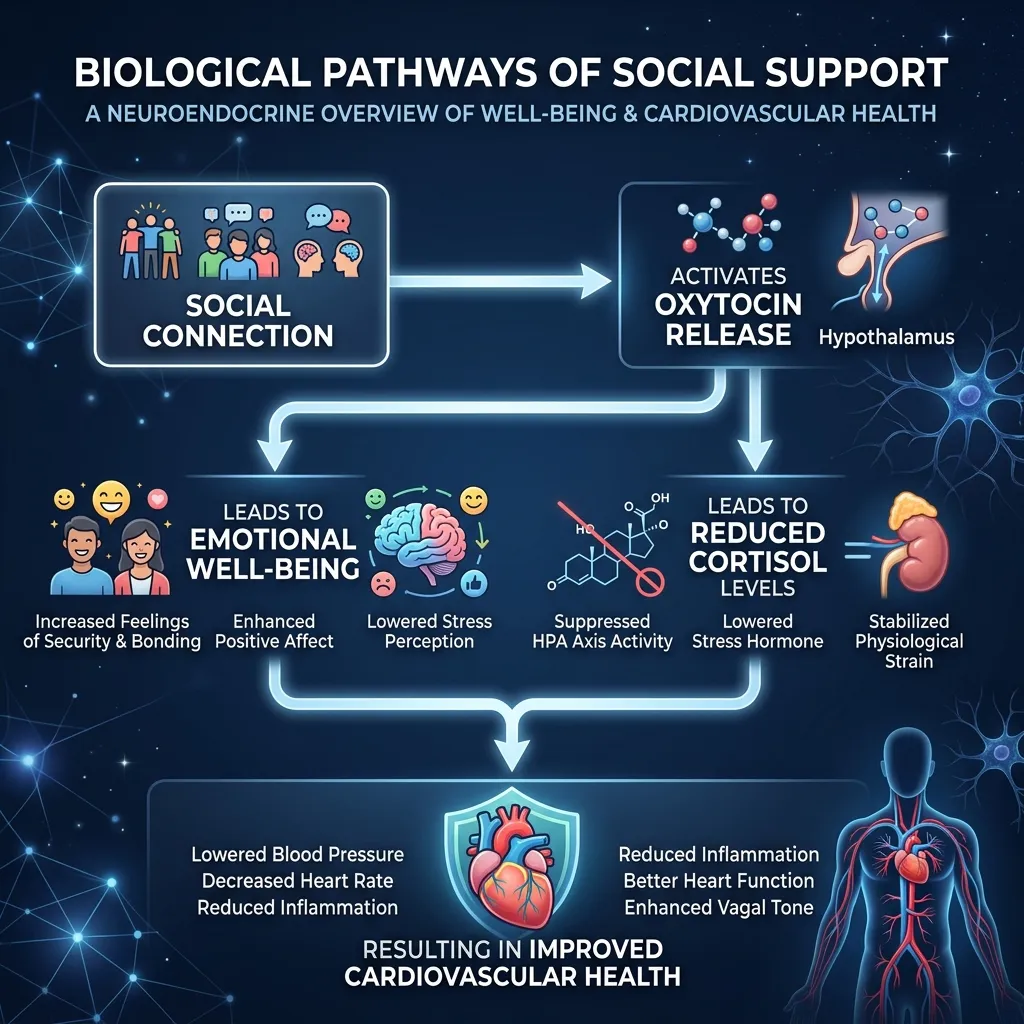
Why Are Social Connections Crucial for Physical and Mental Health?
The evidence is overwhelming: our relationships directly influence how we think, feel, and even function physically. When we are connected, our bodies respond to stress differently, leading to better long-term health outcomes.
🧠 Mental Health Benefits
- Stress Buffer: Strong social support acts as a buffer against the negative effects of chronic stress. Talking through problems with trusted friends can help us gain perspective and regulate intense emotions.
- Combating Isolation: Loneliness is recognized by medical professionals as being comparable to smoking 15 cigarettes a day—it significantly increases the risk of depression, anxiety, and cognitive decline.
- Boosting Self-Worth: Feeling accepted and valued reinforces our self-esteem. Positive interactions confirm that we are worthy of care and belonging.
- Cognitive Stimulation: Engaging in conversations, sharing ideas, and learning from others keeps the brain active, helping to protect against age-related cognitive decline.
❤️ Physical Health Benefits
- Immune System Support: Social connection influences immune function through hormonal pathways. People with strong support networks tend to recover faster when ill.
- Cardiovascular Protection: Supportive relationships help lower blood pressure and reduce the chronic stress hormones (like cortisol) that contribute to heart disease and hypertension.
- Increased Longevity: Studies consistently link robust social integration and community involvement to a reduced risk of mortality and an overall longer, healthier lifespan.
What Happens When We Lack Connection?
The opposite of connection—social isolation and loneliness—is a serious public health crisis. It is not simply feeling "sad"; it has measurable biological consequences. Chronic lack of meaningful interaction can lead to:
- Elevated Stress Hormones: Sustained high levels of cortisol, damaging organs over time.
- Weakened Immunity: Making the body more susceptible to illness and slower to recover.
- Increased Inflammation: Contributing to chronic conditions like heart disease and type 2 diabetes.
- Cognitive Decline: Leading to memory issues and increased risk of dementia.
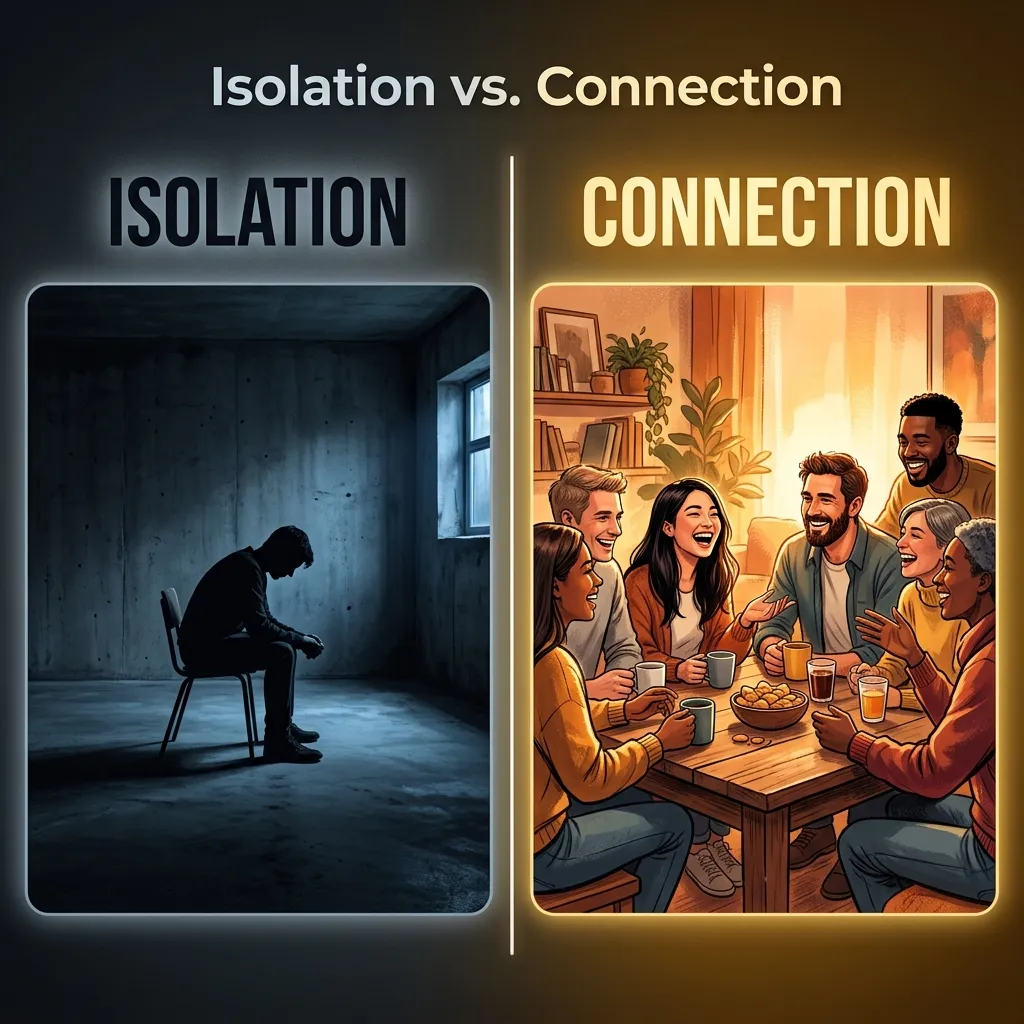
How Can You Build and Maintain a Strong Support System?
Building social resilience requires intentional effort—it is an active skill set, not a passive outcome. Focus on quality over quantity when nurturing your relationships.
🤝 Strategies for Proactive Connection
- Prioritize Quality Time: Schedule time with loved ones that allows for deep presence (e.g., putting phones away during dinner). These moments build emotional intimacy.
- Be the Initiator: Don't wait for others to reach out. Take the initiative by sending a thoughtful text, calling an old friend, or suggesting a low-key activity.
- Join Interest Groups: Join clubs (hiking, book, fitness) or volunteer organizations that align with your passions. This guarantees shared interests and built-in conversation starters.
- Volunteer Locally: Giving back provides a powerful sense of purpose and connects you with people who share similar values.
🗣️ Mastering the Art of Communication
The depth of connection often relies on how we communicate, not just if we communicate.
- Practice Active Listening: When someone speaks, focus entirely on them. Avoid planning your response or interrupting. Ask clarifying questions to show genuine interest.
- Be Empathetic and Supportive: Practice putting yourself in others' shoes. Offer emotional support without trying to "fix" their problems; sometimes they just need to be heard.
- Communicate Needs Assertively: Learn to express your needs clearly using "I" statements (e.g., "I feel overwhelmed when..." rather than "You always make me..."). This is crucial for setting boundaries respectfully.
🚧 What Role Do Boundaries Play in Maintaining Relationships?
Setting healthy boundaries is the act of defining what you are comfortable with and what you need to maintain your well-being. They are not walls; they are guidelines that promote mutual respect.
Why Are Boundaries Essential?
- Prevents Burnout: By setting limits on your time and energy, you prevent yourself from becoming depleted by others' demands.
- Fosters Respect: Clear boundaries teach people how to treat you—with consideration and autonomy.
- Maintains Self-Worth: Asserting a boundary is an act of self-respect, reinforcing that your needs matter.
Key Boundaries to Establish:
- Time Boundaries: Saying "no" to commitments when your schedule is full.
- Emotional Boundaries: Recognizing that you are responsible for your own feelings, not others'.
- Physical Boundaries: Defining acceptable personal space and touch.
Making Social Well-being a Daily Priority
Treating social connection as an essential component of health requires the same commitment as physical fitness. To integrate this into your routine:
- Schedule Connection Time: Block out time in your calendar for friends or family, treating it like a non-negotiable appointment.
- Curate Your Social Circle: Spend less energy on relationships that are consistently draining and more time with those who uplift you.
- Mindful Technology Use: Use technology as a tool to facilitate real-life connection (e.g., planning an outing), rather than letting it replace genuine, face-to-face interaction.
- Practice Gratitude: Take moments each day to appreciate the people in your life and acknowledge their positive impact on your well-being.
By viewing social connection as a vital pillar of holistic health—alongside nutrition and exercise—you can proactively build a resilient support system that leads to a more fulfilling, balanced, and healthier life.
Frequently Asked Questions
Combatting loneliness requires intentional effort. Start by scheduling regular social activities, joining a local group (like a book club or hiking group), and practicing active listening when you connect with others.