

The question isn't just if you should sleep, but how well. Quality sleep is not a luxury; it is the foundational pillar of physical and mental health. During deep rest, your body engages in critical nightly maintenance—repairing tissues, consolidating memories, regulating hormones, and clearing metabolic waste. Prioritizing optimal sleep hygiene is arguably one of the most powerful, yet often overlooked, tools for improving overall well-being and cognitive function.
Why Is Quality Sleep So Essential for Your Body and Mind?
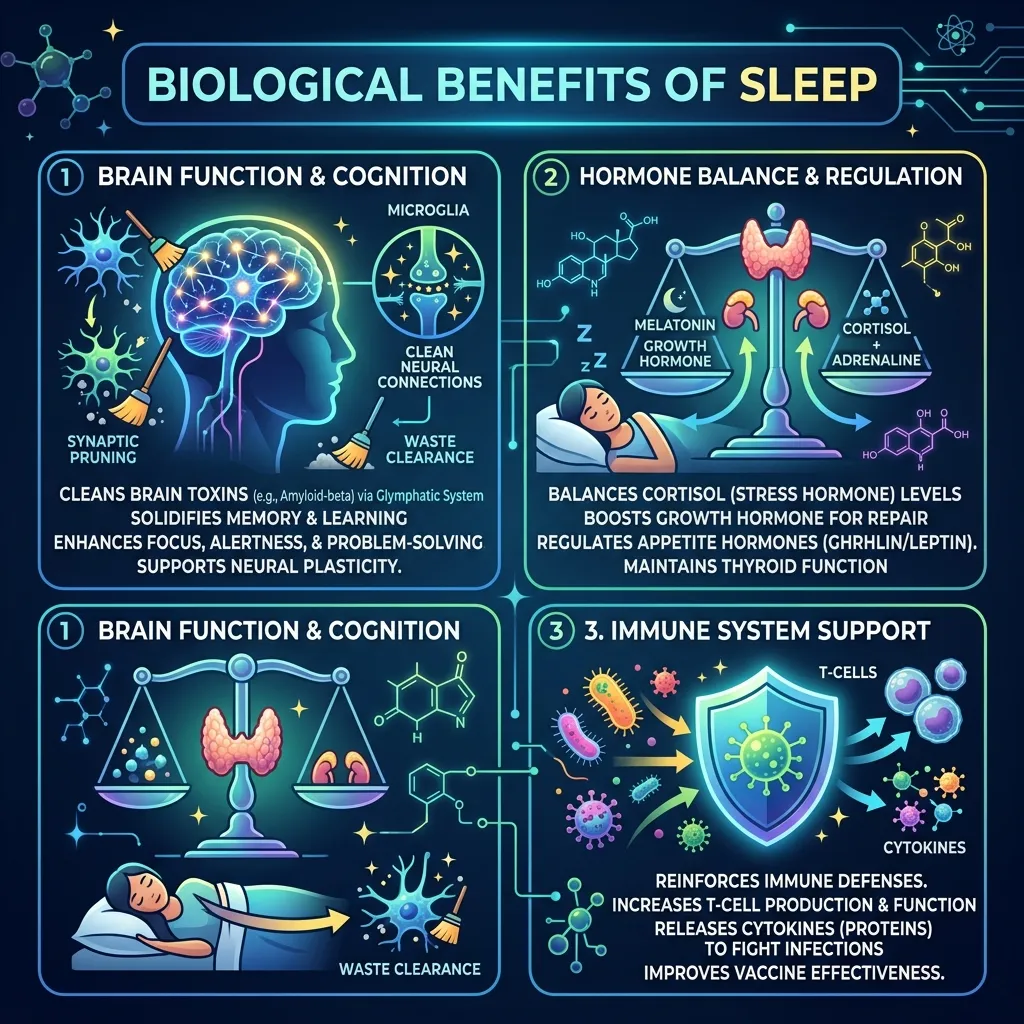
Think of your sleep period as a comprehensive system reboot. While you rest, multiple complex biological processes are running in the background that directly impact everything from your immune response to your emotional stability.
The Biological Functions of Rest
- Immune System Boost: During sleep, your body produces cytokines, proteins essential for fighting inflammation and infection. Chronic lack of sleep weakens this defense mechanism, making you more susceptible to illness.
- Memory Consolidation: Sleep is when the brain processes the day's information. It actively transfers short-term memories into long-term storage, essentially filing away what you need to remember.
- Hormonal Regulation: Sleep cycles regulate key hormones. For example, it manages cortisol (the stress hormone) and promotes the release of growth hormone, which is vital for muscle repair and tissue regeneration.
- Toxin Clearance: Your brain uses sleep time to clear out metabolic waste products that accumulate during wakefulness—a process crucial for maintaining optimal cognitive function.
What Happens When You Are Sleep Deprived?
Chronic insufficient sleep doesn't just make you tired; it actively impairs multiple bodily systems:
- Cognitive Decline: Difficulty concentrating, poor decision-making, and impaired reaction time are common symptoms.
- Mood Instability: Lack of rest can exacerbate or trigger anxiety, irritability, and depressive episodes.
- Metabolic Risk: Sleep deprivation disrupts appetite-regulating hormones (like ghrelin and leptin), leading to increased cravings for high-calorie foods and raising the risk of weight gain and Type 2 diabetes.
How Does Sleep Science Work? Understanding Your Cycles
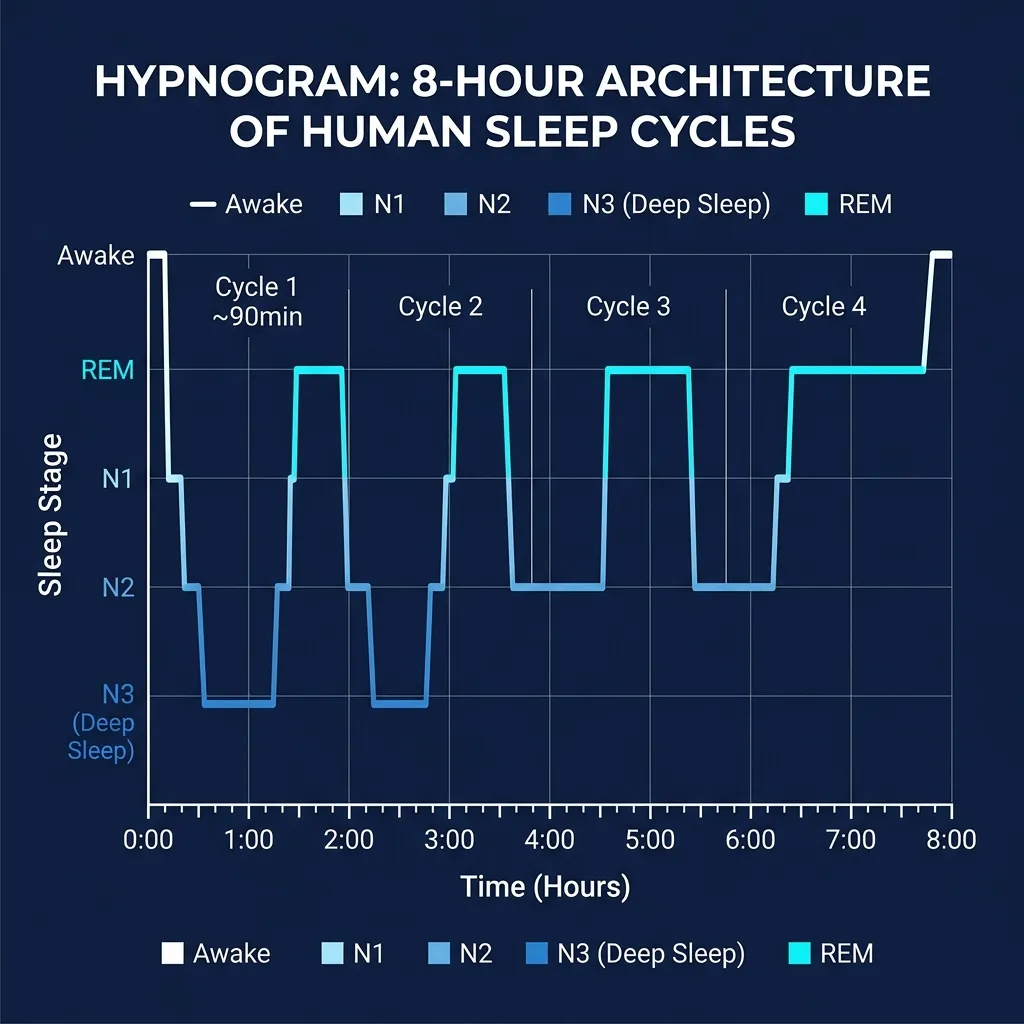
Sleep is not a single state; it’s a complex cycle that repeats multiple times throughout the night. To achieve true restoration, you must complete several full cycles, each with different functions.
The Stages of Sleep
The primary stages are Non-Rapid Eye Movement (NREM) and Rapid Eye Movement (REM). Understanding these helps explain why consistent sleep is so vital:
- NREM Stage 3 (Deep Sleep/Slow-Wave): This is the most physically restorative stage. It’s when your body performs its heavy lifting—repairing muscles, building bone density, and strengthening the immune system.
- REM Sleep: Characterized by vivid dreaming and increased brain activity, this stage is crucial for emotional processing and complex memory consolidation.
What Disrupts Your Natural Cycles?
Several common habits can interfere with your natural sleep architecture:
- Alcohol: While it may help you fall asleep initially, alcohol severely fragments the later cycles, preventing deep, restorative rest.
- Caffeine: Consuming caffeine too late in the day blocks adenosine, a chemical that builds up and naturally makes you feel sleepy.
- Stress/Anxiety: High levels of cortisol keep your nervous system on high alert, making it physically difficult to enter the necessary deep sleep stages.
What Are the Pillars of Optimal Sleep Hygiene?
Sleep hygiene refers to the habits and environmental factors that promote consistent, restful sleep. Optimizing these pillars is key to improving quality without relying solely on medication.
🌙 Pillar 1: Establishing a Consistent Routine
The body thrives on predictability. Your circadian rhythm (your internal clock) relies heavily on routine.
- Set a Fixed Schedule: Go to bed and wake up at the same time every day, including weekends. This consistency anchors your circadian rhythm.
- Create a Wind-Down Ritual: Dedicate 30–60 minutes before bed for calming activities. This signals to your brain that it’s time to transition into rest. Examples include reading a physical book, gentle stretching, or listening to calm music.
- Journaling: Writing down worries or tasks for the next day can help "dump" mental clutter and reduce pre-sleep anxiety.
💡 Pillar 2: Optimizing Your Sleep Environment (The Cave Effect)
Your bedroom should be a sanctuary dedicated only to sleep and intimacy.
- Darkness is Non-Negotiable: Use blackout curtains or an eye mask. Even small amounts of light can suppress the production of melatonin, the hormone that signals sleep.
- Keep it Cool: The ideal temperature range is generally between 60–67°F (15–19°C). A slight drop in core body temperature is a natural signal for sleep onset.
- Minimize Noise: Use earplugs or a white noise machine to mask sudden, disruptive sounds.
🍎 Pillar 3: Lifestyle Adjustments and Diet
What you consume and when you move your body matters greatly.
- Limit Blue Light: Avoid screens (phones, tablets, laptops) for at least an hour before bed. The blue light emitted suppresses melatonin production. If you must use devices, activate blue-light filters.
- Mind Caffeine Intake: Cut off caffeine consumption by early afternoon (e.g., 12 PM).
- Manage Meals: Avoid heavy or spicy meals close to bedtime. If hungry, opt for a light, easily digestible snack like yogurt or a banana.
What Holistic Strategies Can Help Address Sleep Disruptors?
If routine changes aren't enough, incorporating holistic practices can significantly improve sleep quality by addressing underlying stress and tension.
For Stress and Anxiety
- Mindfulness Meditation: Practicing mindfulness helps you observe racing thoughts without judgment, calming the nervous system before bed.
- Deep Breathing Exercises: Techniques like 4-7-8 breathing (inhale for 4, hold for 7, exhale for 8) activate the parasympathetic nervous system, promoting relaxation.
- Gentle Movement: Incorporating restorative yoga or light stretching in the evening can release physical tension that contributes to mental stress.
Addressing Specific Conditions
If sleep issues persist, it may be due to an underlying medical condition:
- Sleep Apnea: Characterized by temporary breathing pauses during sleep. If you snore loudly or feel excessively tired despite adequate hours, consult a doctor for diagnosis (often involving a CPAP machine).
- Restless Legs Syndrome (RLS): An urge to move the legs, often worse in the evening. Managing iron and magnesium levels through diet or supplements (under medical guidance) can help.
Summary: Making Sleep Your Top Priority
Prioritizing sleep is not a temporary fix; it's a lifestyle commitment. By viewing rest as an active part of your health regimen—just as important as exercise or nutrition—you unlock profound benefits across every aspect of life.
Actionable Takeaways for Tonight:
- Schedule It: Treat your bedtime like a non-negotiable appointment.
- Cool, Dark, Quiet: Ensure your bedroom meets the "cave" criteria.
- Power Down: Implement a screen-free wind-down ritual 60 minutes before lights out.
By adopting these evidence-based strategies, you can move from simply sleeping to truly restoring. A well-rested mind and body are better equipped to handle stress, improve focus, and live with greater vitality.
Frequently Asked Questions
Most adults require 7 to 9 hours of quality sleep per night, though individual needs vary.