

What Are the Holistic Benefits of Physical Activity?
Physical activity is far more than just a way to burn calories; it is a powerful, medicine-like tool that nourishes your entire being—your body, mind, and spirit. By moving regularly, you activate profound physiological changes that improve cardiovascular function, regulate mood chemistry, and enhance cognitive clarity. Integrating movement into your life is the most accessible form of preventative care available to boost overall well-being.
Why Does Movement Benefit Your Physical Body?
The physical advantages of exercise are extensive and scientifically proven. Regular activity acts as a robust shield against chronic disease by optimizing bodily systems and maintaining optimal function.
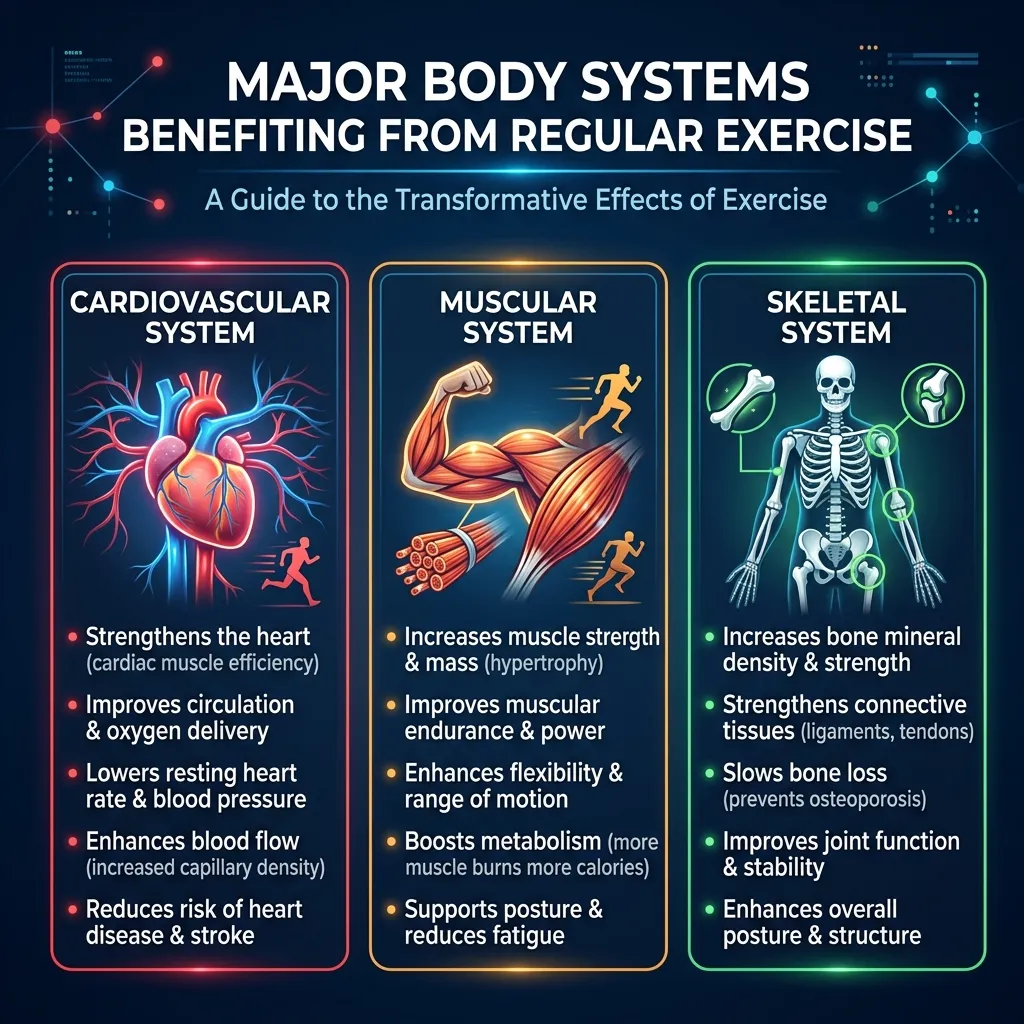
- Cardiovascular Health: Exercise strengthens your heart muscle, making it more efficient at pumping blood. This consistent workout reduces your risk of high blood pressure and stroke by keeping arteries flexible and strong.
- Weight Management & Metabolism: Physical activity burns calories and, crucially, boosts your metabolism. Maintaining a healthy weight through movement helps reduce the strain on joints and organs, lowering the risk of conditions like Type 2 diabetes.
- Bone and Joint Strength: Activities that involve weight-bearing (like walking or lifting) help increase bone density, combating osteoporosis. Movement also lubricates joints, reducing stiffness and pain associated with aging.
- Immune System Boost: Regular exercise improves the circulation of immune cells. These cells patrol your body, helping to detect and fight off infections more effectively than a sedentary lifestyle allows.
- Sleep Quality Improvement: Physical exertion helps regulate your natural circadian rhythm (sleep-wake cycle). By promoting deeper sleep stages, it ensures you wake up feeling genuinely rested and energized.
How Does Exercise Boost Your Mental and Emotional Well-being?
The connection between movement and mood is profound. When you exercise, your brain chemistry changes in ways that directly combat stress and improve emotional resilience.
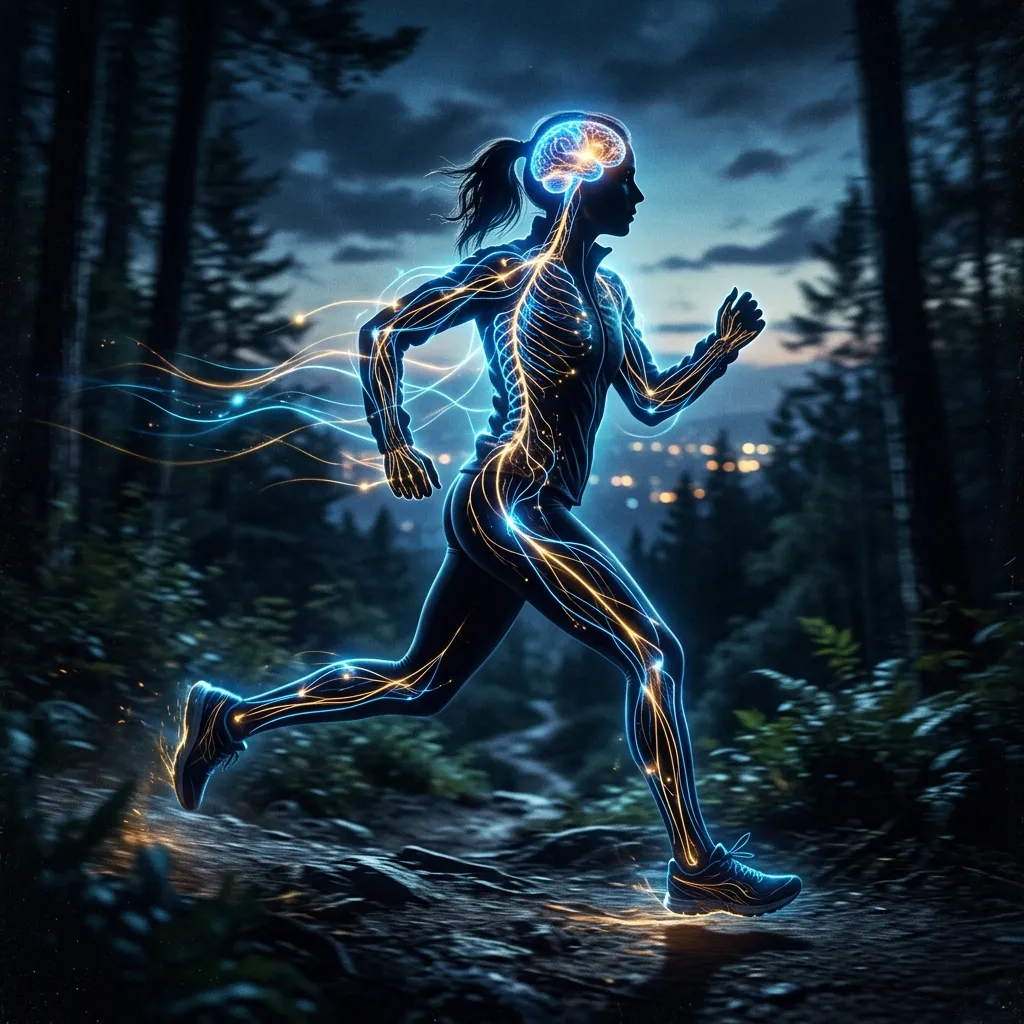
- Stress Reduction: Physical activity is a natural way to process and release built-up tension. It helps regulate cortisol, the primary stress hormone, allowing your nervous system to return to a state of calm.
- Mood Regulation (The Endorphin Effect): Exercise triggers the release of endorphins, which are powerful natural painkillers and mood elevators. This chemical boost can provide an immediate feeling of euphoria and contentment.
- Combating Anxiety and Depression: Consistent movement is often recommended alongside therapy for mild to moderate depression and anxiety. It increases levels of key neurotransmitters like serotonin (mood stabilizer) and dopamine (reward/pleasure), which are critical for emotional balance.
- Cognitive Enhancement: Exercise increases blood flow to the brain, nourishing brain cells and promoting neurogenesis—the growth of new neural connections. This translates directly into improved memory, sharper focus, and better problem-solving skills.
Beyond the Physical: The Spiritual Connection
While "spiritual" might sound abstract, movement provides tangible benefits for self-connection and mindfulness. These activities offer a necessary pause from daily stressors, allowing for deep introspection.
- Mindfulness in Motion: Practices like yoga or Tai Chi require intense focus on breath and physical sensation. This forced presence pulls you out of rumination (overthinking) and anchors you firmly in the present moment.
- Self-Discovery: Whether hiking alone or running through a quiet neighborhood, movement offers uninterrupted time for self-reflection. It provides a space to process emotions and gain clarity without external distractions.
- Connection to Nature: Engaging in outdoor activities (hiking, cycling) connects us with the natural world, which has been scientifically shown to lower blood pressure and reduce feelings of isolation.
What Types of Movement Should I Include?
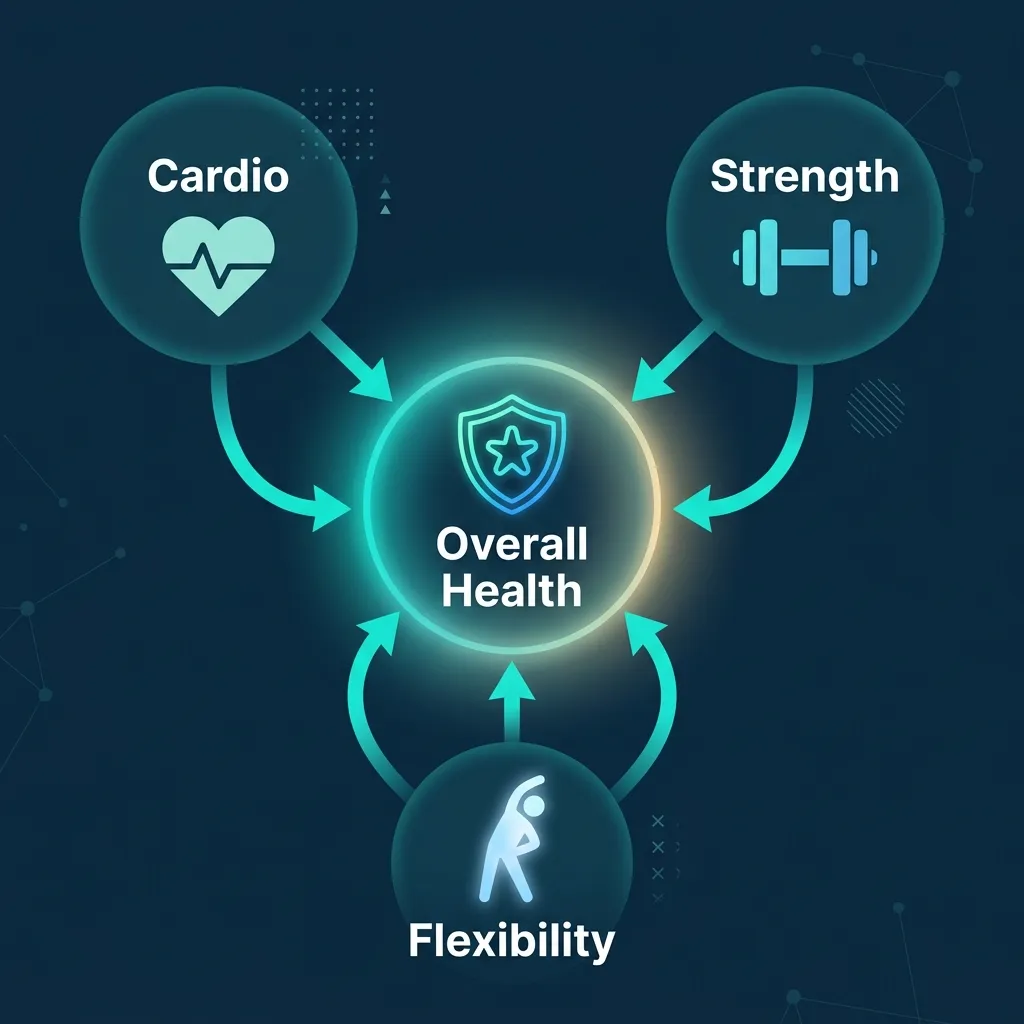
To maximize benefits, a truly holistic approach requires incorporating three distinct types of exercise: cardiovascular, strength, and flexibility training. Think of these as the pillars of physical health.
1. Cardiovascular Exercise (Cardio)
- What it is: Any activity that elevates your heart rate and breathing rhythm for an extended period.
- Examples: Running, swimming, cycling, brisk walking, dancing.
- Primary Benefit: Improving heart efficiency, endurance, and burning calories.
2. Strength Training (Resistance)
- What it is: Activities that challenge your muscles using weights, resistance bands, or bodyweight.
- Examples: Squats, push-ups, lifting dumbbells, planks.
- Primary Benefit: Building muscle mass, increasing bone density, and boosting metabolism.
3. Flexibility Training (Mobility)
- What it is: Activities that improve your range of motion and reduce muscle tension.
- Examples: Stretching routines, Yoga, Pilates.
- Primary Benefit: Improving posture, reducing stiffness, and preventing common injuries.
How Can I Make Exercise Sustainable and Joyful?
The single biggest barrier to fitness is not lack of knowledge, but lack of consistency. To make movement a permanent habit, you must prioritize enjoyment over punishment.
💡 Tips for Finding Joy in Movement
- Experiment: Don't commit to one activity forever. Try dancing classes, rock climbing, or team sports until you find something that genuinely excites you.
- Revisit Childhood Activities: Did you love riding your bike as a kid? Start there! Connecting movement to positive memories can be highly motivating.
- Find a Buddy: Exercising with friends or family adds accountability and makes the activity social, which is a powerful motivator.
- Focus on Feeling, Not Numbers: Instead of obsessing over calories burned or miles run, focus on how the activity makes you feel. Did you feel energized? Calm? Strong?
🚶 Integrating Movement into Your Daily Life (Non-Workout Tips)
You don't need a gym membership to reap massive rewards. Look for "movement snacks"—small bursts of activity throughout your day:
- The Commute Hack: Park further away from the store or office entrance to force an extra walk.
- Desk Breaks: Set a timer to stand up, stretch, and walk around every 45 minutes while working at a desk.
- Active Chores: Turn household chores (vacuuming, gardening) into mini-workouts.
- Phone Calls: Instead of sitting down, take calls while walking the perimeter of your house or office.
What Should I Remember When Starting Out?
Consistency and safety are paramount. Approach physical activity with patience and respect for your body's limits.
- Start Slow: If you haven't been active in a while, do not attempt an intense workout immediately. Begin with brisk 20-minute walks to build foundational stamina.
- Listen to Pain Signals: Differentiate between muscle soreness (normal) and sharp joint pain (a warning sign). Never push through acute pain. Rest is productive.
- Prioritize Recovery: Sleep, hydration, and proper nutrition are non-negotiable parts of the fitness equation. Your muscles rebuild and strengthen during rest.
- Set Realistic Goals: Instead of aiming to run a marathon next month, set a goal like "walk for 20 minutes three times this week." Small wins build momentum.
Summary & Next Steps
Physical activity is truly medicine for the whole person. By committing to varied movement—combining cardio, strength, and flexibility—you are not just improving your physical metrics; you are actively boosting your mood, sharpening your focus, and cultivating a deeper sense of self-connection. Start small today by taking a brisk walk or stretching for 10 minutes. The most powerful step is the first one.
Frequently Asked Questions
The general recommendation is at least 150 minutes of moderate-intensity aerobic activity (like brisk walking) or 75 minutes of vigorous activity per week, combined with strength training two days a week.