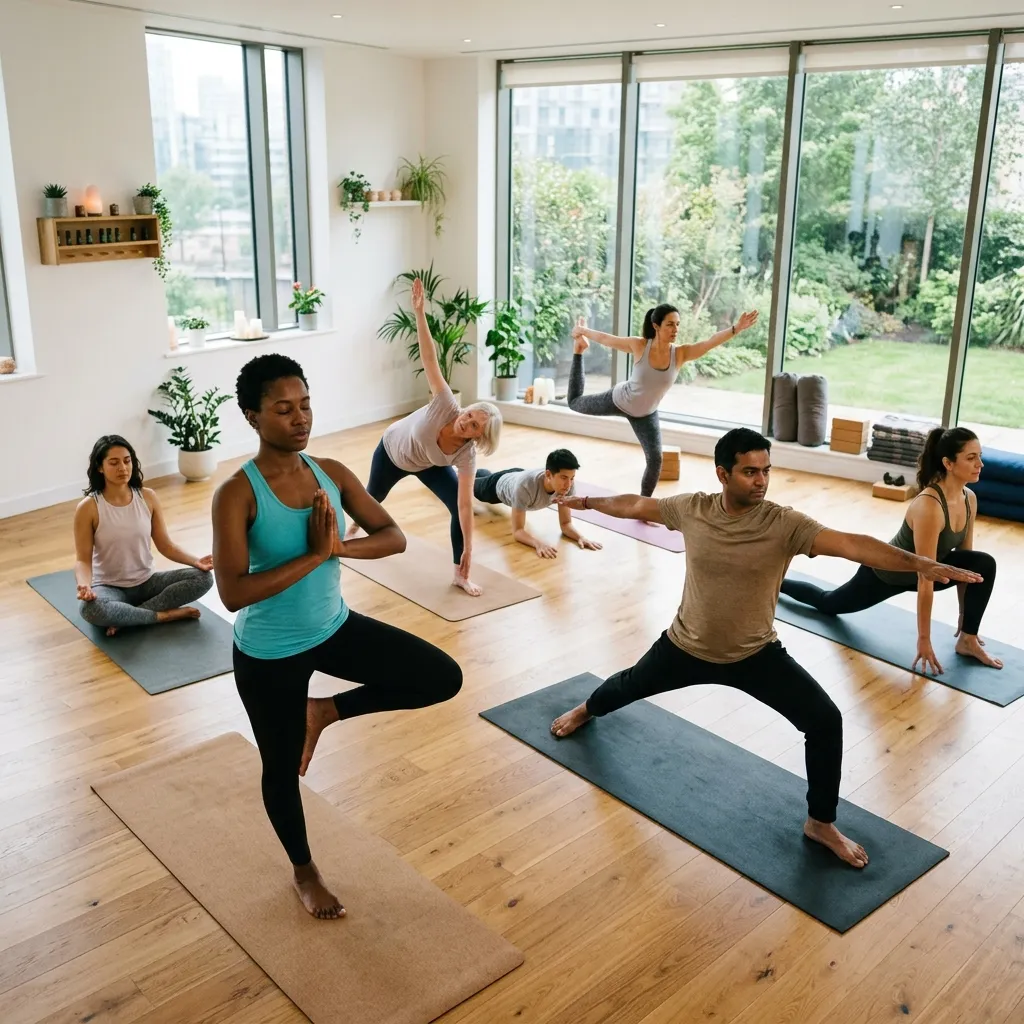
The connection between yoga and sleep is rooted in the nervous system. By incorporating specific poses (asanas) and controlled breathing techniques (pranayama), you can actively shift your body from a state of high alert ("fight or flight") to a deeply relaxed "rest and digest" state. This physiological calming effect helps reduce stress hormones like cortisol, making it easier for the mind and body to transition into restorative sleep.
Why Is Quality Sleep So Important?
Poor sleep is not merely about feeling tired; it significantly compromises your physical and mental resilience. Think of sleep as your body's essential nightly maintenance cycle. During deep rest, your brain processes memories, your immune system repairs itself, and your muscles recover from daily wear and tear. Chronic lack of quality sleep can lead to:
- Cognitive Decline: Reduced focus, poor memory retention, and difficulty concentrating.
- Emotional Instability: Increased irritability, anxiety, and heightened stress responses.
- Physical Risk: Elevated risk of chronic diseases, including cardiovascular issues and metabolic syndrome.
How Does Yoga Address Sleep Disruptors?
Yoga is a holistic practice that treats the root causes of insomnia—stress, tension, and an overactive mind—rather than just treating the symptom (sleeplessness). It achieves this by:
- Calming the Nervous System: Specific poses stimulate the parasympathetic nervous system, which is responsible for promoting rest.
- Releasing Physical Tension: Holding stress in areas like the neck, shoulders, and hips can physically prevent deep relaxation. Gentle stretching helps release these stored tensions.
- Cultivating Mindfulness: Focusing on breath and movement anchors your mind to the present moment, interrupting cycles of worry or rumination that keep you awake.
What Are the Best Restorative Yoga Poses for Bedtime?
These gentle poses are designed to be restorative—meaning they encourage deep relaxation without requiring intense effort. Hold each pose for 5–15 minutes if possible.
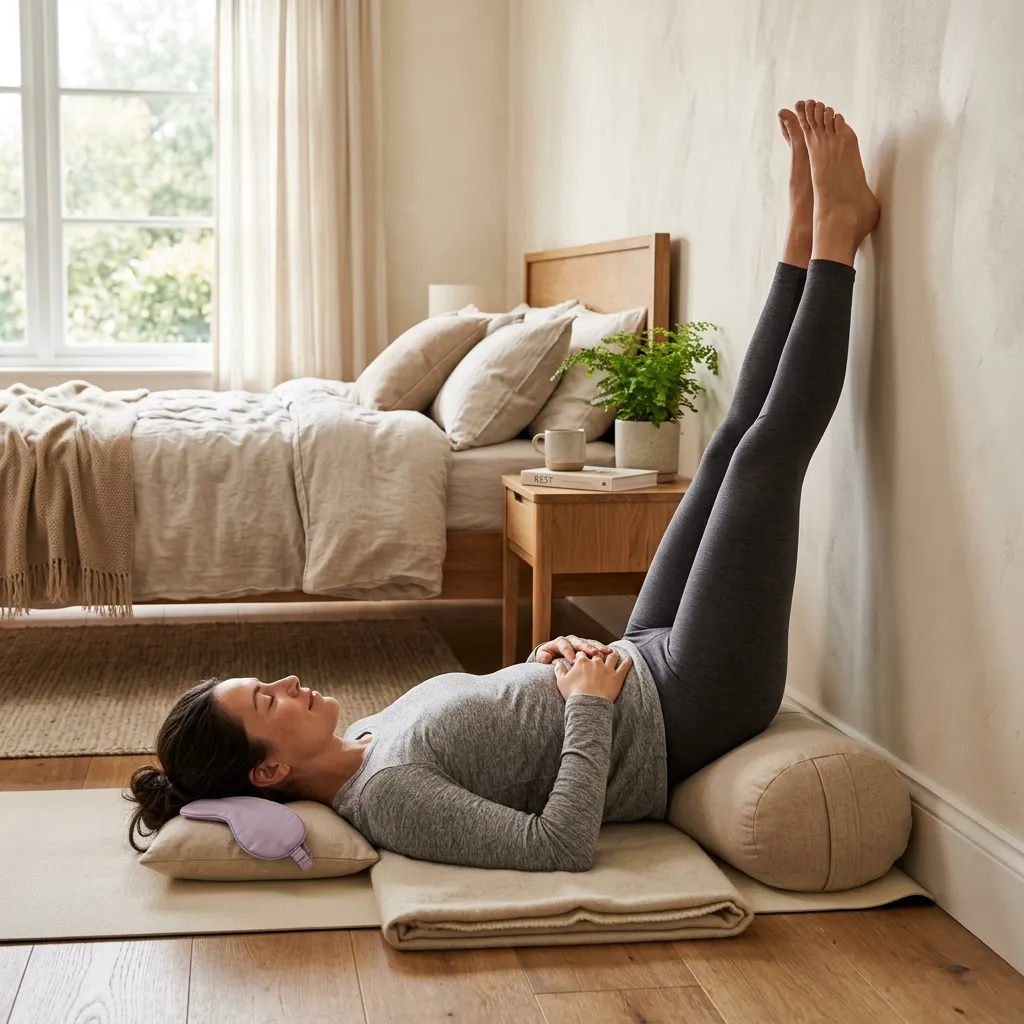
Legs-Up-the-Wall Pose (Viparita Karani)
This is one of the most effective calming poses, gently reversing blood flow and signaling safety to the nervous system.
How to perform:
- Sit sideways with your hips close to a wall.
- Gently swing your legs up the wall until they are straight. Your tailbone should remain near the wall for support.
- Rest your arms comfortably at your sides, palms facing up.
- Close your eyes and focus solely on deep, slow breaths.
Key Benefits:
- Reduces swelling in the lower extremities.
- Lowers blood pressure and calms the nervous system.
- Eases mild back discomfort.
Reclined Butterfly Pose (Supta Baddha Konasana)
This pose gently opens the hips, which often hold physical manifestations of emotional stress.
How to perform:
- Lie on your back with knees bent and feet flat on the floor.
- Let your knees fall open naturally to the sides, bringing the soles of your feet together (like a butterfly).
- Rest your arms at your sides or place them above your chest in a gentle heart shape.
- Focus on deep, slow breathing throughout the hold.
Key Benefits:
- Opens and stretches the hips and groin area.
- Promotes profound physical relaxation.
- Reduces feelings of anxiety and stress.
Child's Pose (Balasana)
A foundational pose that provides a sense of grounding and safety, making it excellent for winding down.
How to perform:
- Kneel on the floor with your knees hip-width apart.
- Exhale and fold forward, resting your forehead on the mat.
- Extend your arms alongside your body or reach them forward if comfortable.
- Allow your back and hips to sink into the floor.
Key Benefits:
- Gently stretches the lower back, thighs, and ankles.
- Calms the mind by encouraging deep breathing.
- Reduces feelings of stress and overwhelm.
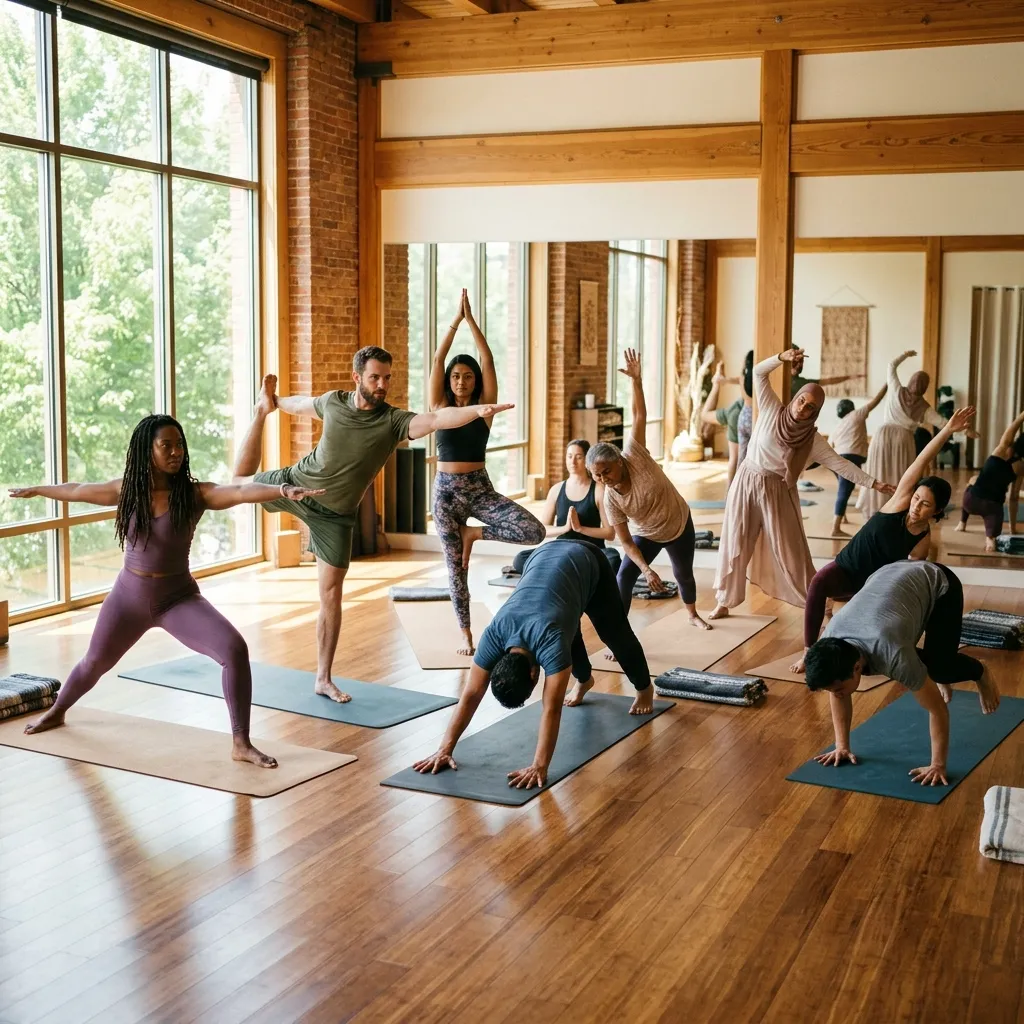
Mastering Pranayama: Calming Breathwork Techniques
Breathing exercises, or pranayama, are arguably the most direct way to signal safety and calm to your brain. These techniques help regulate heart rate variability and activate the parasympathetic system immediately.
-
Diaphragmatic Breathing (Belly Breathing):
- Lie down comfortably with one hand on your chest and one hand just below your ribcage (on your belly).
- Inhale slowly through your nose, focusing on allowing your belly to rise first. Your chest should remain relatively still.
- Exhale slowly through pursed lips, feeling your belly fall completely.
- Repeat this cycle for 5–10 minutes.
-
Alternate Nostril Breathing (Nadi Shodhana):
- Sit comfortably with a straight spine. Use your right hand to close the nostrils.
- Inhale slowly through the left nostril, closing the right with your thumb.
- Close the left nostril with your ring finger and release the right thumb.
- Exhale slowly through the right nostril.
- Inhale through the right nostril.
- Close the right nostril and release the left, then exhale slowly through the left nostril.
- Continue alternating for 5–10 minutes to balance energy flow.
Building a Consistent Bedtime Sleep Routine
Consistency is crucial for improving sleep hygiene. Instead of viewing yoga as an isolated activity, integrate it into a predictable routine that signals "sleep time" to your body.
A Sample 30-Minute Wind-Down Routine:
- Digital Detox (T-minus 60 minutes): Turn off all screens. The blue light emitted by phones and tablets suppresses the production of melatonin, the hormone essential for sleep.
- Gentle Movement (15 minutes): Perform a sequence of restorative poses (e.g., Child's Pose, Legs-Up-the-Wall). Focus on slow transitions and deep breathing throughout.
- Breathwork (5–10 minutes): Practice Diaphragmatic Breathing or Alternate Nostril Breathing until your mind feels quiet.
- Mindful Wind-Down (Remaining time): Read a physical book, journal, or practice gentle meditation to fully transition into sleep mode.
Summary: Your Path to Restorative Sleep
By viewing yoga not just as exercise but as a tool for nervous system regulation, you can significantly improve your ability to fall and stay asleep. Remember that the goal is not perfection, but consistency. Dedicating 15–20 minutes every evening to gentle movement and mindful breathing will help build powerful habits that support deep, restorative sleep—a cornerstone of overall health.
Disclaimer: The information provided in this article is for general informational purposes only and is not intended as a substitute for professional medical advice, diagnosis, or treatment. Always seek the advice of your physician or other qualified health provider with any questions you may have regarding a medical condition or treatment.
Frequently Asked Questions
Always listen to your body. Modify poses and consult a healthcare provider or physical therapist before starting any new routine.
Aim for 15–20 minutes of gentle movement, followed by 5–10 minutes of deep breathing exercises.