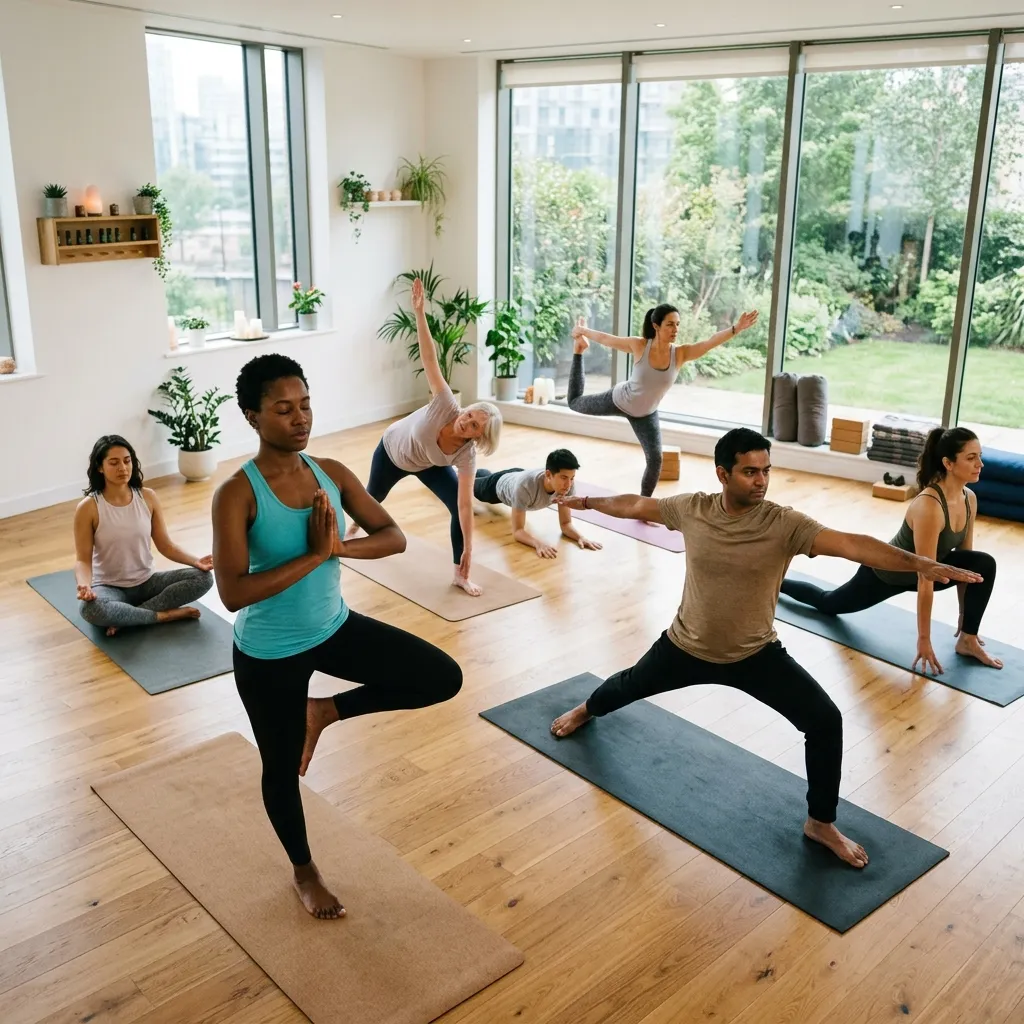
What is the true goal of a sustainable yoga practice?
A fulfilling yoga journey is not about achieving perfect, Instagram-worthy poses; it is a deeply personal process focused on self-compassion and consistent progress. Instead of striving for unattainable physical ideals, the ultimate goal is to cultivate mindful movement—learning to listen to your body's signals and finding joy in the present moment. This shift in focus transforms yoga from a performance into a powerful tool for mental, emotional, and physical well-being.
Why is Self-Compassion Essential on Your Mat?
Many people approach yoga with an internal critic, comparing their current abilities to idealized images. This tendency to judge oneself—"I can't hold this," or "My flexibility isn't improving"—is the opposite of self-compassion. Self-compassion means treating yourself with the same kindness and understanding you would offer a friend who is struggling in class.
- Acknowledge Imperfection: Understand that feeling stiff, clumsy, or frustrated on some days is completely normal. These fluctuations are part of the process, not signs of failure.
- Practice Non-Judgment: When a pose feels impossible, instead of criticizing yourself, simply observe the sensation and adjust your intention. Your goal is effort, not flawless execution.
Practical Ways to Build Self-Compassion in Yoga:
- Positive Self-Talk: Actively replace negative thoughts ("I'm so bad at this") with affirmations ("I am doing my best right now," or "My body is capable").
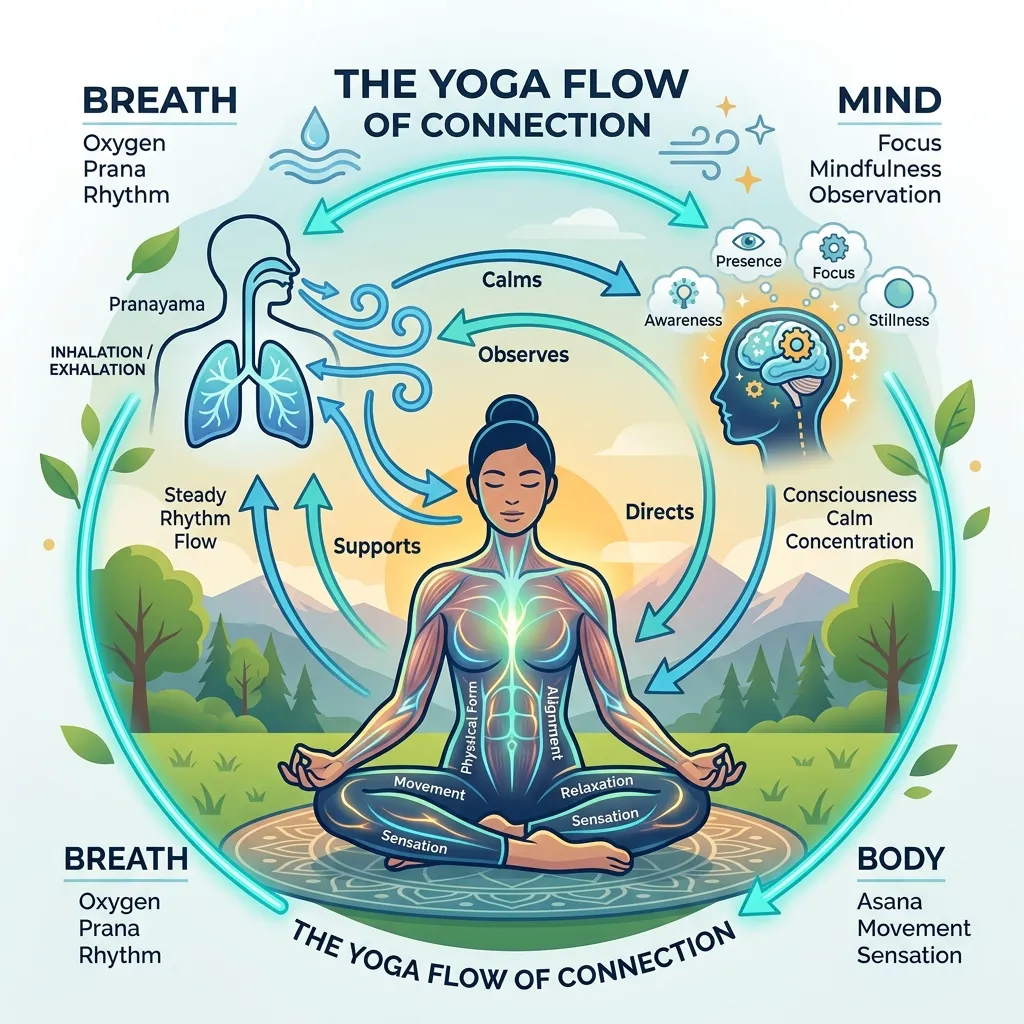
- Mindful Breathing Anchor: When frustration hits, pause and focus entirely on your breath. Deep, slow breaths immediately signal safety to the nervous system, calming the critical mind.
- Journaling: After class, take five minutes to write down what you felt (e.g., "I felt strong in Warrior II," or "My breath was shaky today"), rather than just listing poses. This helps track emotional progress alongside physical gains.
How Can Focusing on the Process Improve My Practice?
The pursuit of a specific, advanced pose can create immense pressure and anxiety. However, the true essence of yoga lies not in the outcome (the perfect photo) but in the process—the mindful connection between breath and movement. By shifting your focus from what you are doing to how you are doing it, you deepen the practice's benefits.
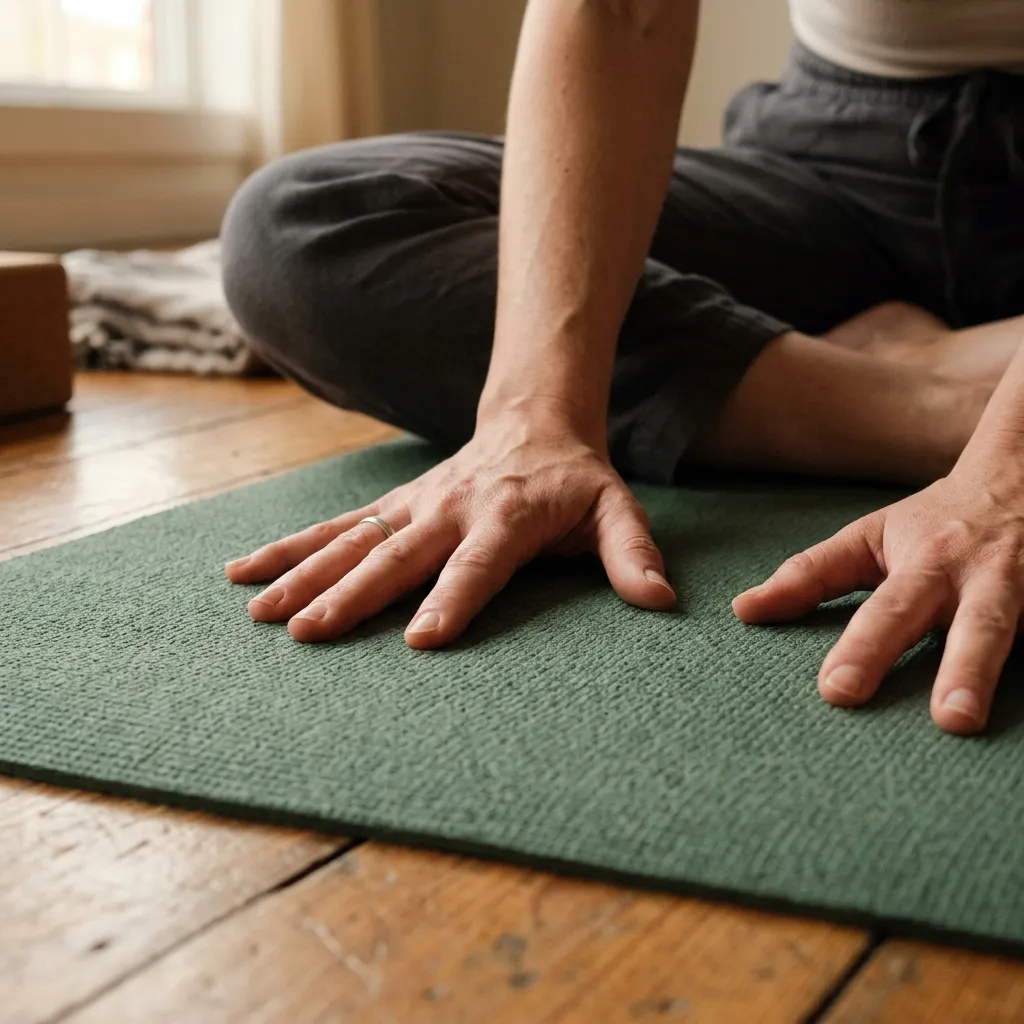
Key Principles for Mindful Movement:
- Prioritize Alignment Over Depth: Always check your alignment first. Proper form prevents injury and allows you to access the benefits safely. If you cannot maintain good alignment, modify the pose or back off.
- Breathe First, Pose Second: Never hold a breath during a stretch. Use your inhale and exhale to deepen the movement. The breath is the foundation; it guides the body.
- Listen to Your Edges: Learn to distinguish between "good discomfort" (the feeling of stretching muscle) and sharp pain. If you feel sharp, shooting, or tingling pain, back off immediately.
- Embrace Variation: Recognize that there are countless ways to perform a pose. Experimenting with variations helps build strength in different muscle groups and keeps the practice engaging.
Why Are Small Victories So Important for Motivation?
In any long-term endeavor, motivation tends to ebb and flow. If you only focus on massive goals (like "being able to touch my toes"), minor setbacks can feel devastating. Recognizing and celebrating small victories is crucial because it builds positive momentum and reinforces the habit of showing up.
What Counts as a Small Victory?
These are not just physical achievements; they include mental and emotional wins:
- Holding a pose for three seconds longer than last week.
- Successfully remembering to breathe deeply during a challenging sequence.
- Showing up on your mat even when you felt tired or unmotivated.
- Feeling a moment of genuine calm after the practice.
- Modifying a difficult pose successfully, acknowledging your body's limits.
Actionable Tip: Keep a "Progress Log." Instead of just noting the poses, write down one thing you did better than last week (e.g., "My core felt stronger today," or "I remembered to breathe through the transition").
How Do I Overcome Plateaus and Stay Consistent?
Plateaus—periods where progress seems stalled—are a universal part of fitness and wellness. They are not signs that you are failing; they simply mean your body needs a change in stimulus. Consistency is key, but consistency does not mean doing the same thing every day.
Strategies for Breaking Through Plateaus:
- Vary Your Style: If you usually do gentle Hatha yoga, try a dynamic Vinyasa flow class. The change forces your body and mind to adapt in new ways.
- Target Weak Areas: Dedicate specific sessions to one area (e.g., "This week is all about hip flexors," or "Focus on core stability"). This focused effort helps build targeted strength.
- Integrate Props: Don't be afraid to use blocks, straps, and blankets. These tools are designed to help you deepen stretches safely and improve alignment, allowing for greater progress than simply pushing harder.
- Rest and Recovery: Sometimes the plateau is a sign of overtraining. Prioritize sleep, nutrition, and active recovery (like gentle walking) to allow your muscles time to repair and adapt.
What Are the Long-Term Benefits of Consistent Yoga?
Yoga is recognized as a holistic practice that impacts more than just muscle tone. The long-term benefits are profound, affecting physical health, mental clarity, and emotional regulation.
Physical Health Improvements:
- Increased Flexibility: Regular stretching improves range of motion, which can alleviate stiffness associated with aging or sedentary jobs.
- Improved Strength & Balance: Holding poses builds functional strength throughout the core and limbs, significantly improving overall stability and reducing fall risk.
- Reduced Chronic Pain: By increasing body awareness and strengthening supporting muscles, yoga helps manage conditions like back pain and arthritis.
Mental and Emotional Benefits:
- Stress Reduction: The focus on breath (pranayama) activates the parasympathetic nervous system, which is responsible for the "rest and digest" state, effectively lowering cortisol levels.
- Enhanced Self-Awareness: Yoga teaches you to observe your thoughts and feelings without judgment—a core skill for improving emotional regulation in daily life.
- Improved Focus (Mindfulness): By keeping attention anchored to the breath or a specific sensation, you train your mind to stay present, which improves focus both on and off the mat.
Summary: Embracing Your Unique Path
Your yoga journey is entirely unique—it belongs only to you. The most powerful shift in perspective is realizing that progress is measured by effort and self-acceptance, not by physical appearance.
Instead of asking, "How perfect am I?" ask, "What can I do today?"
By cultivating patience, celebrating the small wins, and treating your body with kindness, you unlock a sustainable relationship with movement. Remember that yoga is a gift to yourself—a chance to connect deeply with your breath, strengthen your mind, and move through life with greater grace and acceptance. Namaste.
Frequently Asked Questions
Yes. Comparison is detrimental to self-compassion and can lead to burnout. Focus only on your own progress.