Among the dozens of popular eating plans evaluated each year by nutrition researchers and dietitians, the DASH diet consistently ranks at or near the top for overall health. It's been endorsed by the American Heart Association, the American College of Cardiology, and the National Heart, Lung, and Blood Institute — and for good reason. But what exactly does DASH involve, and is it right for you?
What Is the DASH Diet?
DASH stands for Dietary Approaches to Stop Hypertension. It was developed in the early 1990s as part of a major NIH-funded research initiative to find dietary interventions that could lower blood pressure without medication. What the researchers discovered — and what decades of subsequent research has confirmed — is that the DASH diet doesn't just improve blood pressure. It benefits nearly every major marker of cardiovascular and metabolic health.
The DASH diet is not a calorie-restricted plan. It's a nutrient-focused eating framework that emphasizes certain food groups and limits others based on their effects on blood pressure, cholesterol, and systemic inflammation.
What Are the Health Benefits of DASH?
The research base behind the DASH diet is one of the strongest of any dietary intervention:
- Blood pressure reduction: Systolic blood pressure drops an average of 8–14 mmHg in hypertensive individuals — comparable to the effects of antihypertensive medication.
- Cholesterol improvement: The DASH diet reduces LDL ("bad") cholesterol through its emphasis on fiber and reduction of saturated fat.
- Reduced risk of heart disease and stroke: Long-term adherence is associated with significantly lower rates of cardiovascular events in large observational studies.
- Lower diabetes risk: The diet's low glycemic load and high fiber content improve insulin sensitivity.
- Kidney protection: By reducing sodium and improving blood pressure, DASH protects kidney function over the long term.
- Reduced cancer risk: Several studies associate DASH adherence with lower rates of colorectal and other cancers, likely due to high fruit and vegetable intake.
What Foods Are Included in DASH?
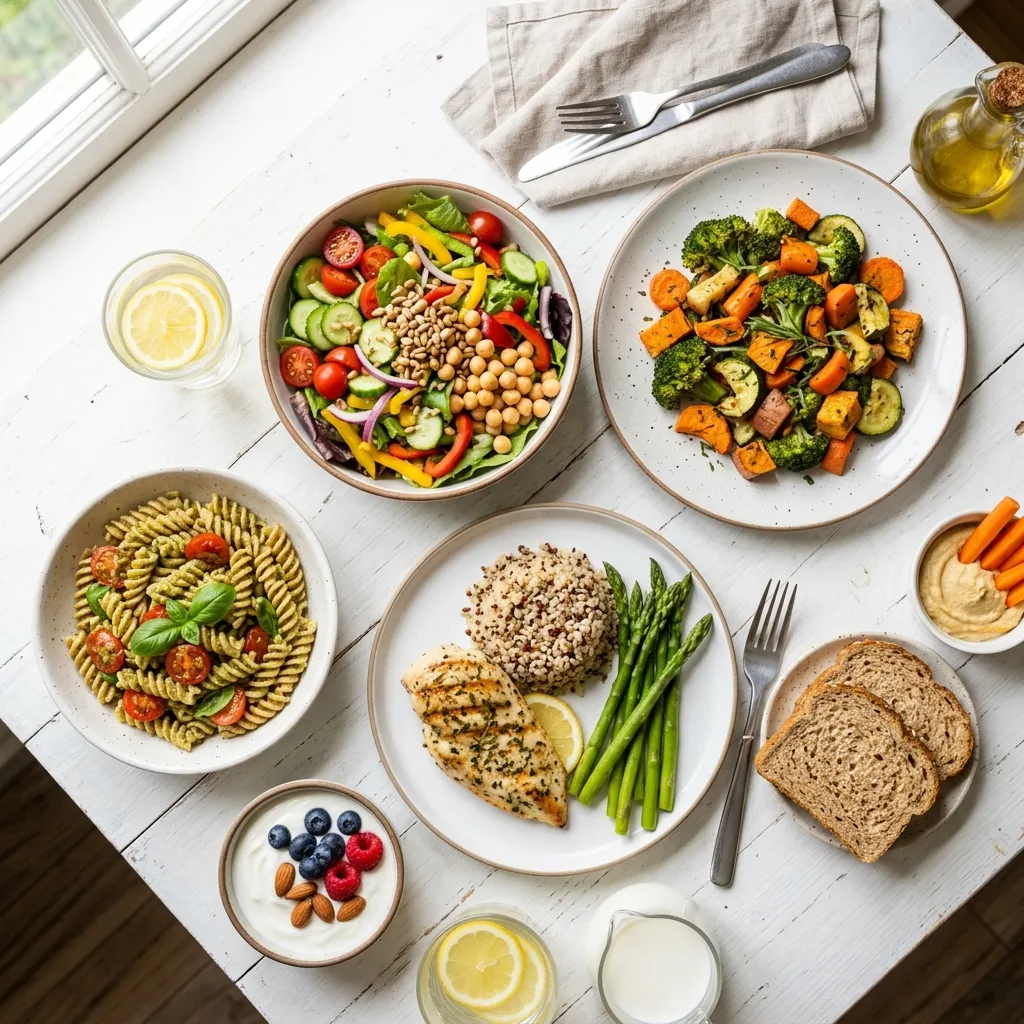
The DASH diet is built around five key food categories:
1. Vegetables (4–5 servings/day) Focus on potassium-rich choices: sweet potatoes, leafy greens, tomatoes, peas, and squash.
2. Fruits (4–5 servings/day) Berries, bananas, citrus, and melons provide fiber, vitamins, and potassium without added sugar.
3. Whole Grains (6–8 servings/day) Oats, brown rice, quinoa, whole grain bread, and barley provide fiber and B vitamins.
4. Low-Fat Dairy (2–3 servings/day) Provides calcium and magnesium — two minerals critical for blood pressure regulation.
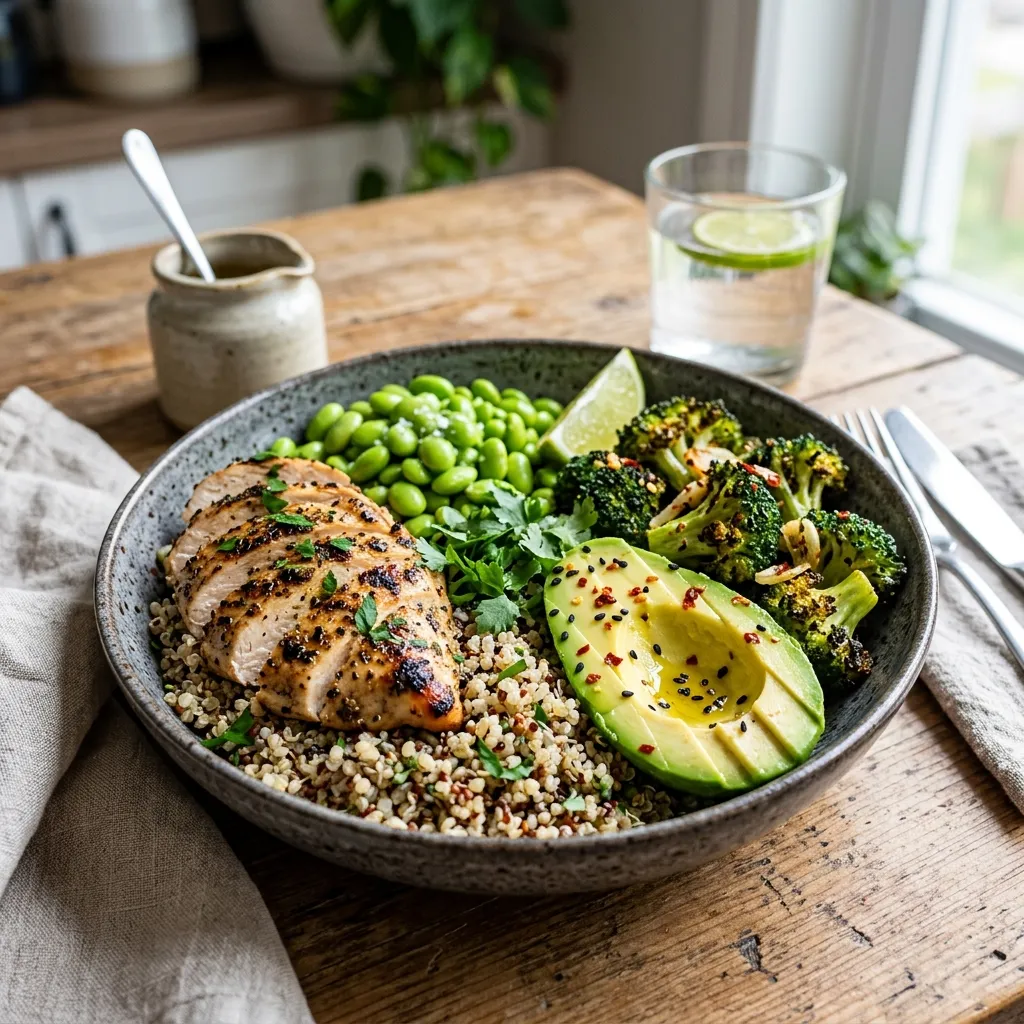
5. Lean Proteins (2 or fewer servings/day) Fish, poultry, legumes, and eggs. Limit red meat and processed meats.
Healthy fats (olive oil, avocado, nuts) are included in moderation. Sodium is limited to 1,500–2,300 mg per day.
How Does DASH Differ From Other Diets?
| Feature | DASH | Mediterranean | Keto | Paleo |
|---|---|---|---|---|
| Primary goal | Blood pressure / heart health | Longevity / heart health | Ketosis / weight loss | Whole food eating |
| Grains | Yes (whole grains) | Yes (whole grains) | No | No |
| Dairy | Yes (low-fat) | Limited | Yes (full-fat) | No |
| Sodium | Strictly limited | Moderate | No specific limit | No specific limit |
| Fat | Low to moderate | Moderate (olive oil) | Very high | Moderate |
| Flexibility | High | High | Low | Moderate |
The key distinctions of DASH are its explicit sodium limits, its inclusion of low-fat dairy, and its research-backed focus on blood pressure-relevant nutrients (potassium, calcium, magnesium) rather than macronutrient ratios.
Sample DASH Diet Foods List
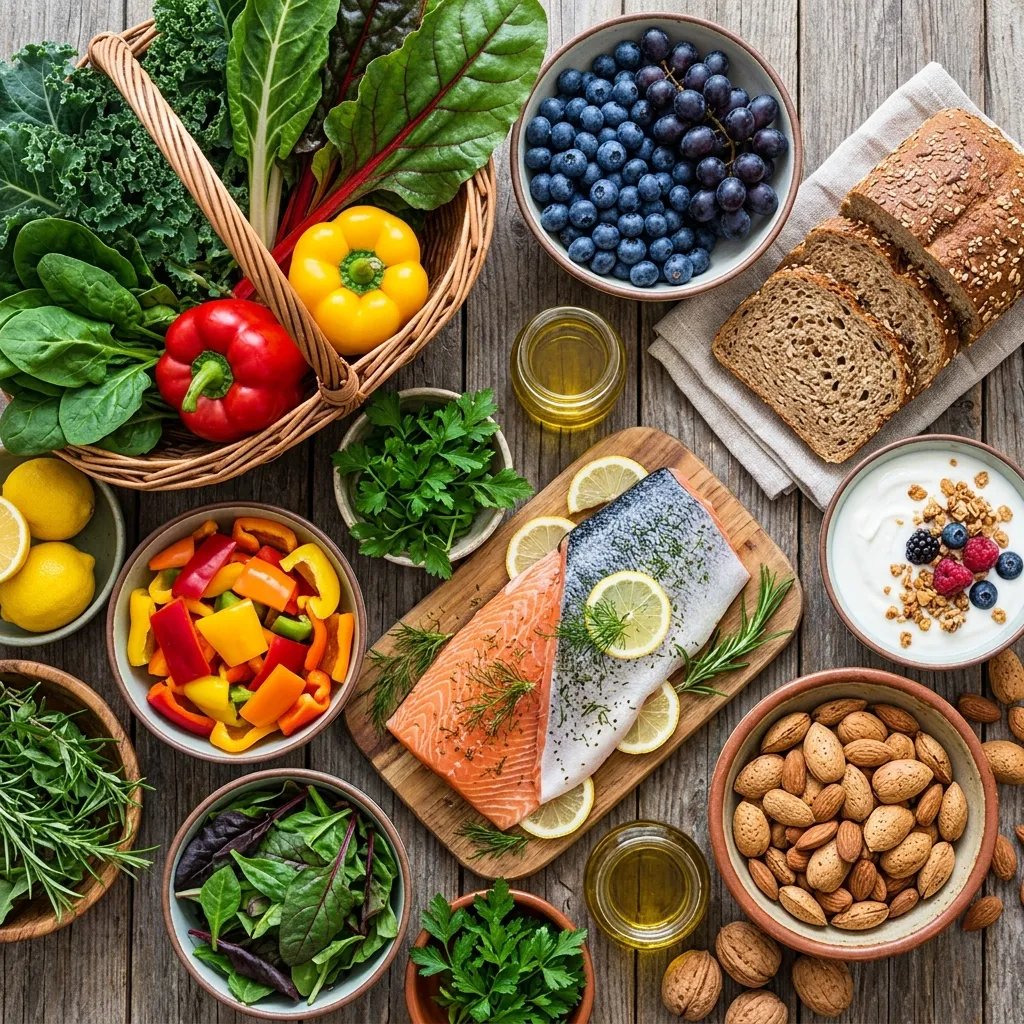
Here's a practical grocery list to get started on the DASH diet:
Produce: Spinach, kale, sweet potatoes, broccoli, tomatoes, bananas, oranges, blueberries, strawberries, cantaloupe
Grains: Rolled oats, brown rice, whole grain bread, quinoa, whole wheat pasta
Proteins: Skinless chicken breast, canned wild-caught tuna, salmon fillets, eggs, canned chickpeas, lentils
Dairy: Low-fat Greek yogurt, skim or 1% milk, part-skim mozzarella
Fats: Extra virgin olive oil, unsalted almonds, walnuts, avocado
Pantry: Low-sodium canned tomatoes, dried herbs and spices (instead of salt), apple cider vinegar
Is the DASH Diet Good for Weight Loss?
The DASH diet was not designed as a weight-loss intervention, but many people do lose weight on it — especially if they're transitioning from a high-sodium, ultra-processed diet.
The reasons are straightforward: DASH emphasizes high-volume, high-fiber, low-calorie-density foods (vegetables, fruits, whole grains) that fill you up without overloading on calories. When you replace chips, processed meats, and sugary drinks with these foods, calorie intake naturally decreases for most people.
Studies have shown that combining the DASH diet with calorie restriction produces meaningful weight loss, and that DASH is more effective than many popular diets for maintaining weight loss at the 12-month mark. If weight loss is a primary goal alongside blood pressure management, working with a registered dietitian to set an appropriate calorie target within the DASH framework is the most evidence-based approach.
The DASH diet's greatest strength is its breadth: it's simultaneously one of the most effective dietary interventions for blood pressure, cardiovascular health, and diabetes prevention. It's also one of the most flexible and nutritionally complete — making it a genuinely sustainable approach for the long term.