If you've been diagnosed with high blood pressure, there's a good chance your doctor mentioned the DASH diet. It stands for Dietary Approaches to Stop Hypertension, and it's one of the most rigorously studied eating plans for cardiovascular health in the world. Unlike restrictive fad diets, DASH is a flexible, whole-food framework designed for long-term adherence.
What Is the DASH Diet?
The DASH diet was developed in the 1990s through a landmark study funded by the National Institutes of Health (NIH). It emphasizes nutrient-dense foods rich in potassium, calcium, magnesium, and fiber — nutrients that naturally regulate blood pressure — while limiting sodium, saturated fat, and added sugar.
The core principle is straightforward: fill your plate with foods that support healthy blood vessel function, and reduce the foods that strain your cardiovascular system. The result is a pattern that looks less like a "diet" and more like evidence-based healthy eating.
How Does the DASH Diet Lower Blood Pressure?
Blood pressure is regulated by several mechanisms, and the DASH diet targets multiple simultaneously:
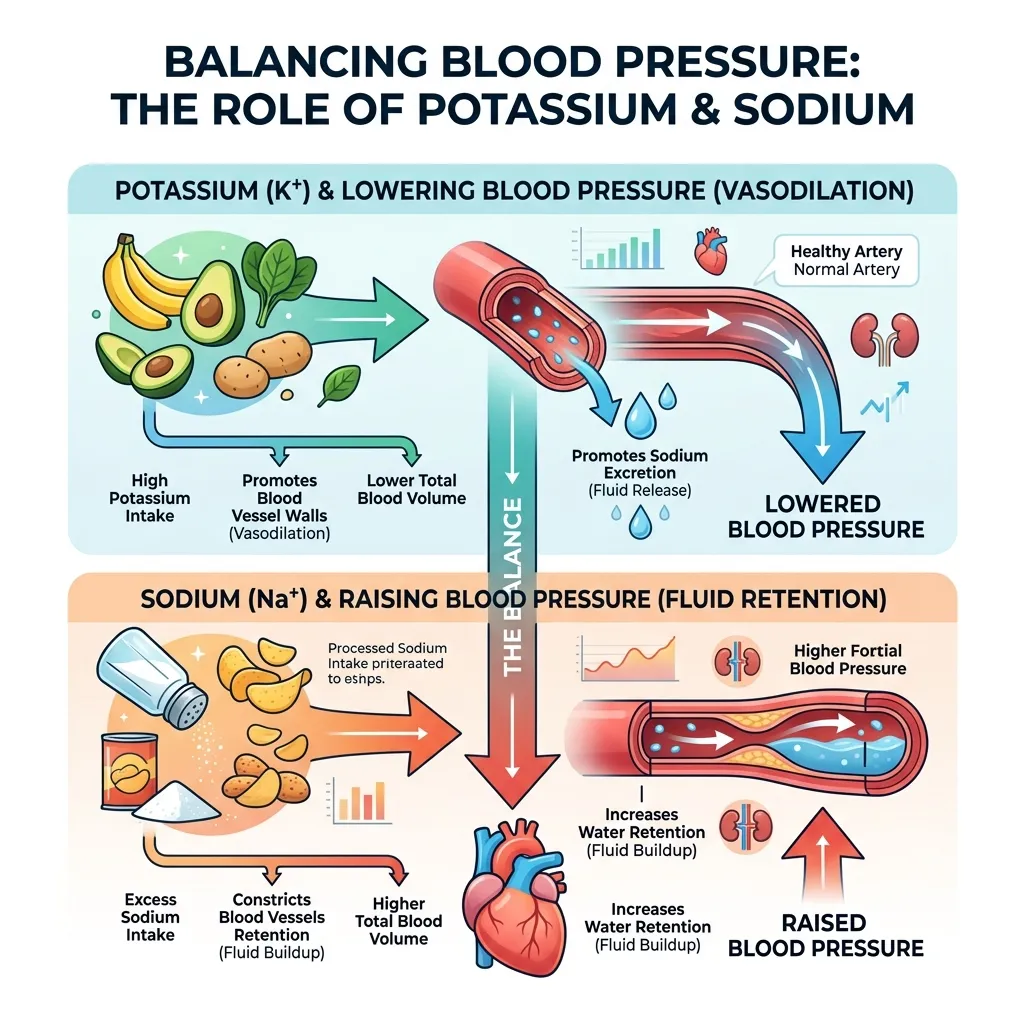
- Sodium reduction: High sodium causes your kidneys to retain water, increasing blood volume and pressure. DASH limits sodium to 1,500–2,300 mg/day (standard US intake is ~3,400 mg).
- Potassium increase: Potassium counteracts sodium's effects on blood pressure by relaxing blood vessel walls. Bananas, sweet potatoes, and leafy greens are DASH staples.
- Magnesium and calcium: Both minerals play a role in vascular muscle relaxation. Low-fat dairy and leafy greens deliver both simultaneously.
- Reduced saturated fat: Less arterial inflammation means more flexible, healthier blood vessels.
In clinical trials, the DASH diet reduced systolic blood pressure by 8–14 mmHg in people with hypertension — an effect comparable to a single blood pressure medication.
Who Should Follow the DASH Diet?
The DASH diet is appropriate for a wide range of people, but it's especially beneficial for:
- Adults with stage 1 or stage 2 hypertension (systolic ≥130 mmHg)
- Those with prehypertension who want to avoid medication
- People at elevated cardiovascular risk (family history, smoking, obesity)
- Anyone looking for a science-backed, sustainable eating plan
There are very few contraindications. However, if you have chronic kidney disease (CKD), the potassium content of the DASH diet may need to be moderated. Always consult your physician before making significant dietary changes.
Sample 7-Day DASH Diet Meal Plan
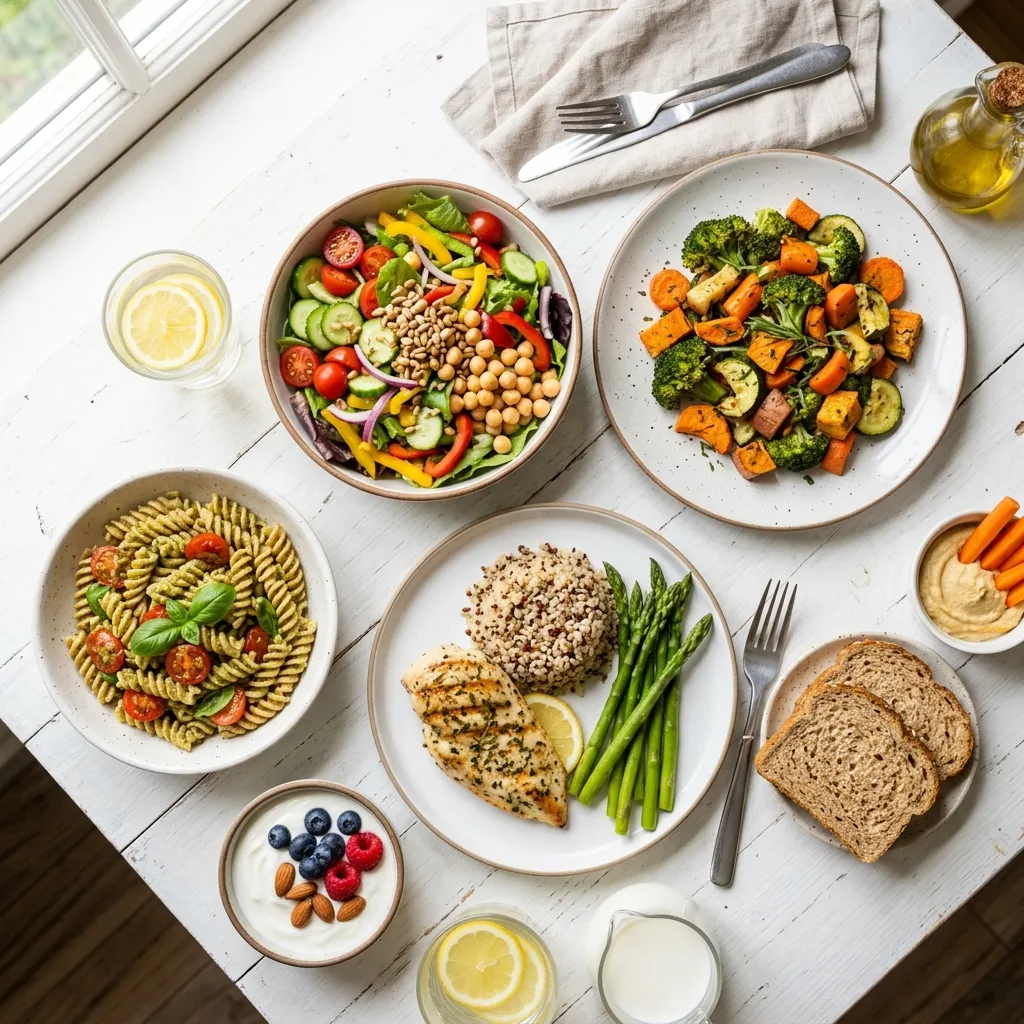
The following meal plan targets approximately 2,000 calories and stays within 2,300 mg of sodium per day. Portions can be adjusted based on individual calorie needs.
| Day | Breakfast | Lunch | Dinner |
|---|---|---|---|
| Monday | Oatmeal with berries and low-fat milk | Grilled chicken salad with olive oil dressing | Baked salmon, quinoa, steamed broccoli |
| Tuesday | Greek yogurt, banana, whole grain toast | Lentil soup with whole grain roll | Turkey stir-fry with brown rice and vegetables |
| Wednesday | Scrambled eggs, spinach, whole grain toast | Whole grain wrap with hummus and roasted vegetables | Chicken breast, sweet potato, green beans |
| Thursday | Smoothie with low-fat milk, spinach, and frozen fruit | Tuna salad on whole grain bread, apple | Pork tenderloin, roasted carrots, wild rice |
| Friday | Whole grain cereal, low-fat milk, strawberries | Bean and vegetable soup, whole grain crackers | Grilled shrimp, farro, asparagus |
| Saturday | Whole grain pancakes with fresh fruit (no syrup) | Quinoa bowl with chickpeas and feta (light) | Baked cod, roasted sweet potatoes, spinach salad |
| Sunday | Vegetable omelet with whole grain toast | Turkey and avocado sandwich on whole grain bread | Chicken cacciatore, whole grain pasta, side salad |
Snack ideas: Unsalted nuts (1 oz), low-fat yogurt, fresh fruit, raw vegetables with hummus.
Foods to Eat and Avoid on DASH
Eat Freely:
- Vegetables (especially leafy greens, sweet potatoes, tomatoes)
- Fruits (berries, citrus, bananas, melon)
- Whole grains (oats, brown rice, quinoa, whole grain bread)
- Low-fat or fat-free dairy (milk, yogurt, cheese in moderation)
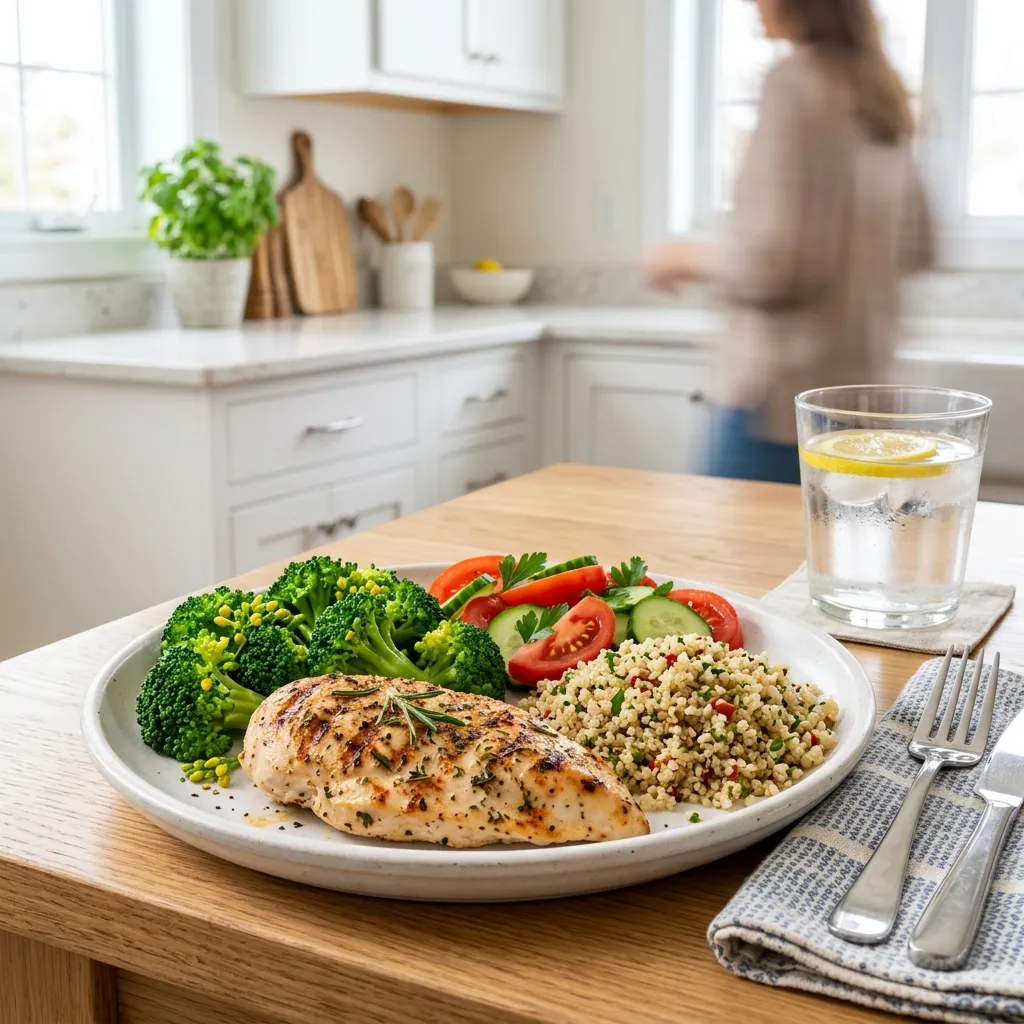
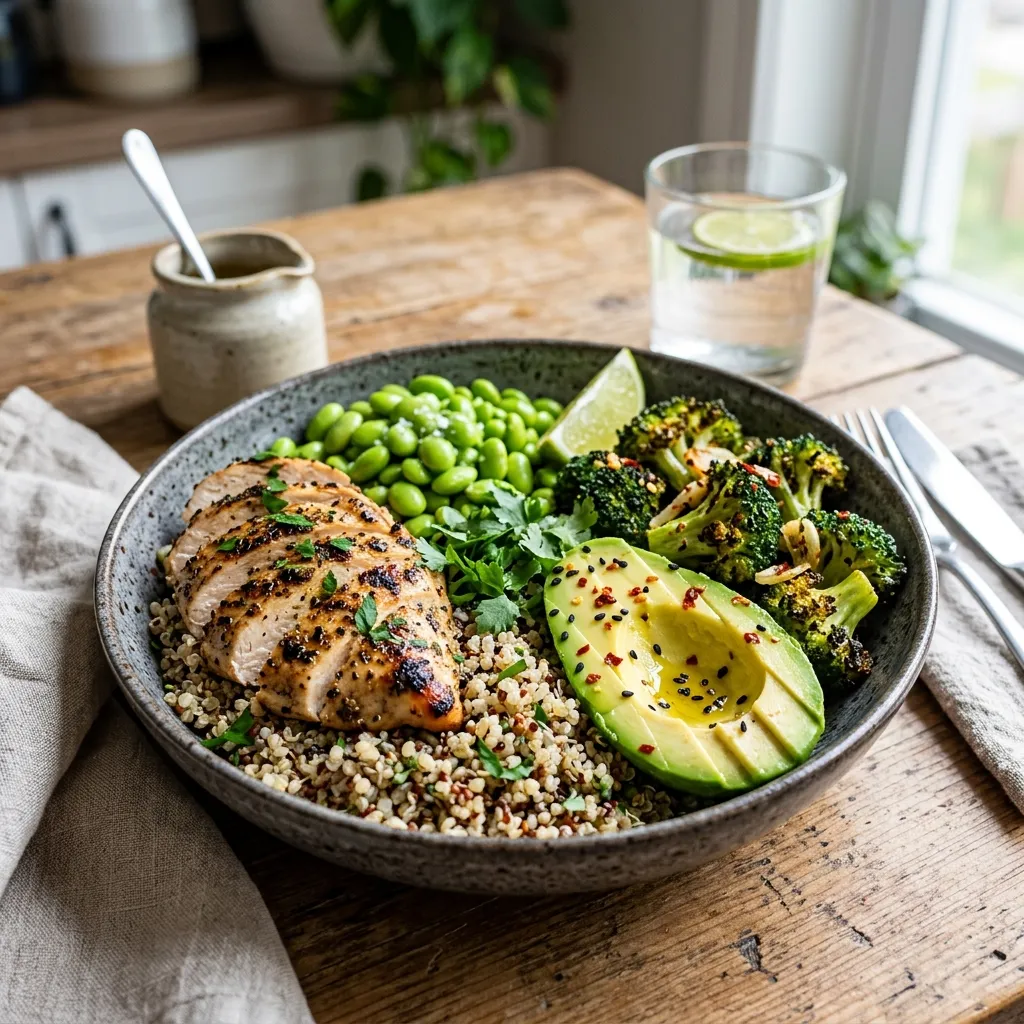
- Lean proteins (chicken, fish, turkey, legumes, tofu)
- Nuts and seeds (unsalted almonds, walnuts, sunflower seeds)
- Healthy fats (olive oil, avocado)
Limit or Avoid:
- High-sodium processed foods: Canned soups, deli meats, pickles, soy sauce
- Saturated fat sources: Fatty red meat, butter, full-fat dairy in excess
- Added sugars: Sodas, pastries, candy, sweetened beverages
- Alcohol: More than 1 drink/day for women, 2 for men raises blood pressure
How Long Until You See Results?
Many people notice measurable blood pressure improvements within 2–4 weeks of starting the DASH diet. The most significant reductions typically occur when both the dietary changes and sodium reduction are implemented together.
A 12-week study published in the New England Journal of Medicine found that participants who followed the full DASH diet (not just sodium reduction alone) achieved the greatest blood pressure reductions. Consistency matters more than perfection — even a 70–80% adherence rate yields meaningful benefits over time.
Common Mistakes to Avoid
- Focusing only on sodium: Sodium reduction helps, but the full DASH pattern — rich in potassium, calcium, and magnesium — is what delivers the strongest results.
- Buying "low-sodium" processed foods without reading labels: Many still contain more sodium than whole food alternatives.
- Underestimating portion sizes: Calorie-dense foods like nuts and oils are healthy but can add up quickly.
- Skipping dairy without a replacement: If you avoid dairy, ensure you're getting adequate calcium from fortified plant milks, kale, broccoli, or bok choy.
- Abandoning the diet after a few weeks: Blood pressure management is a long-term commitment. The DASH diet is designed for life, not just a short sprint.
The DASH diet isn't a temporary fix — it's a proven, sustainable approach to managing blood pressure through food. Combined with regular physical activity and, where appropriate, medication, it represents one of the most powerful lifestyle interventions available for hypertension management.