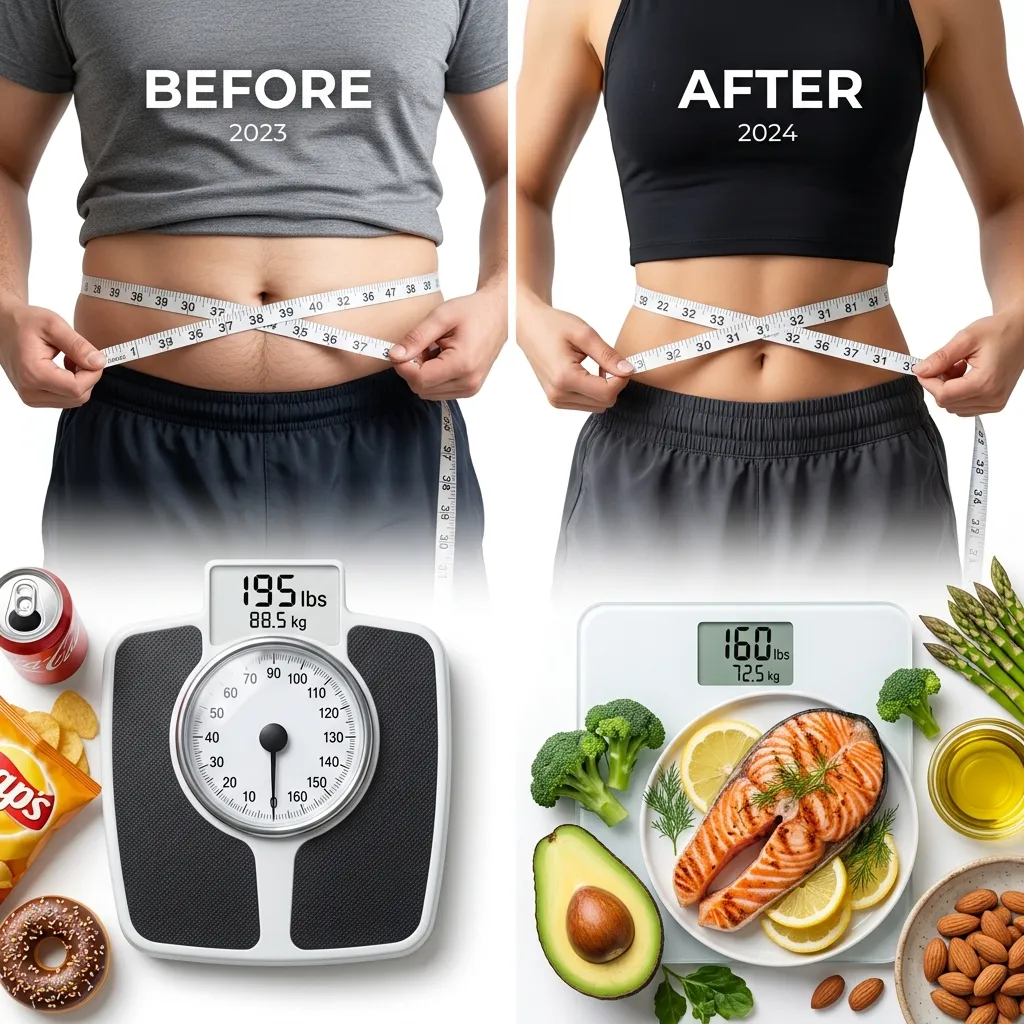
The ketogenic diet has earned a reputation as one of the most effective dietary strategies for rapid weight loss. For many people, it delivers results that other approaches don't — particularly in the early weeks. But what's actually happening in your body, how fast can you expect to lose weight, and is it a sustainable long-term strategy? Here's what the science says.
How Does Keto Cause Weight Loss?
Keto produces weight loss through several overlapping mechanisms:
1. Glycogen depletion and water loss When you dramatically reduce carbohydrates, your body rapidly depletes its glycogen stores (stored glucose in muscle and liver). Each gram of glycogen is stored with approximately 3–4 grams of water. As glycogen is burned, this water is released and excreted — producing rapid early weight loss of 3–7 lbs in the first week, primarily water weight.
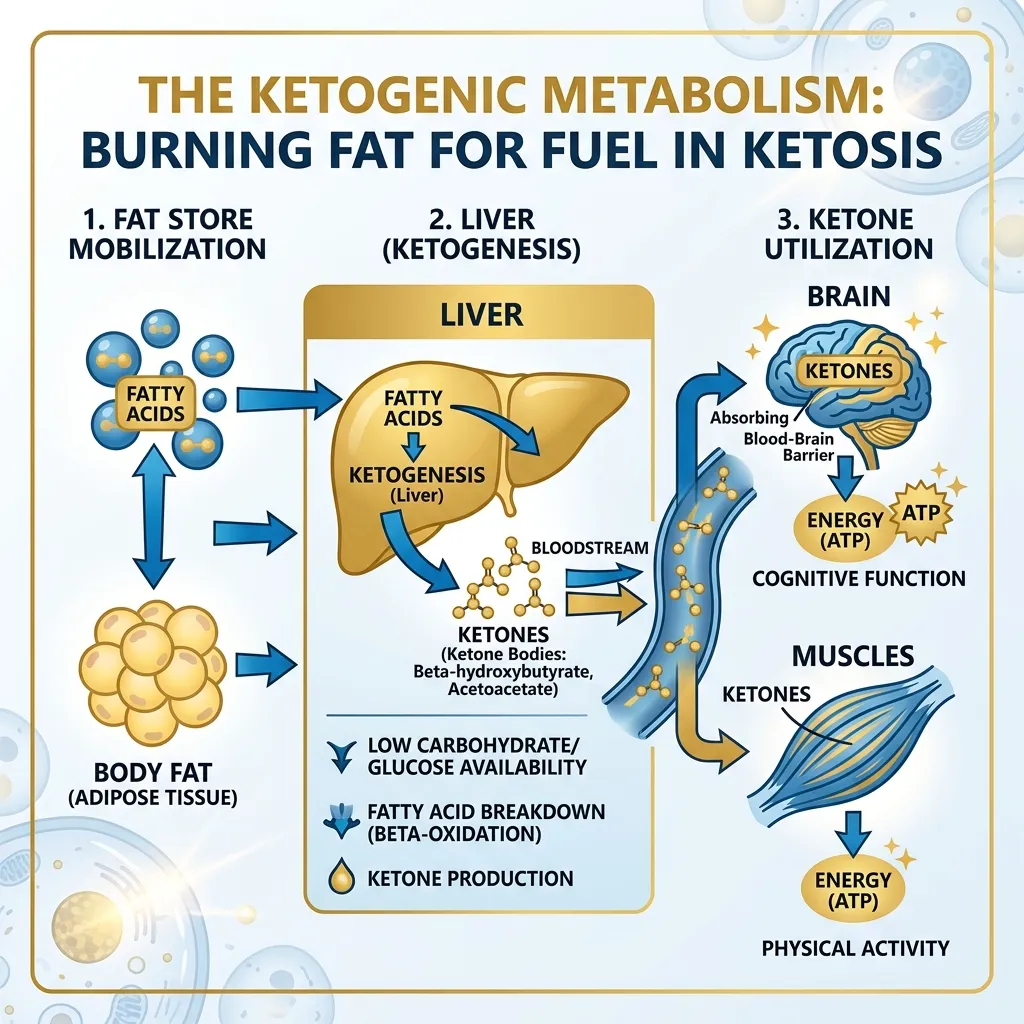
2. Ketosis and fat oxidation Once glycogen is depleted (usually within 3–5 days), the liver shifts to producing ketone bodies from fatty acids. In ketosis, the body becomes significantly more efficient at oxidizing body fat for fuel. Ketones suppress appetite by influencing ghrelin (the hunger hormone) and cholecystokinin (a satiety hormone), meaning most people eat less without trying.
3. Appetite suppression High-protein, high-fat diets are substantially more satiating than high-carbohydrate diets. Protein has the highest satiety rating of any macronutrient, and dietary fat slows gastric emptying, keeping you full for longer. The combination of low-carb eating and ketosis creates a powerful appetite-suppressing effect.
4. Reduced insulin levels Insulin is the primary fat-storage hormone. By minimizing carbohydrate intake, keto dramatically lowers circulating insulin levels — shifting your body from a fat-storing state to a fat-burning state throughout the day, even at rest.
What Should a Weight-Loss-Focused Keto Plan Include?
Not all keto approaches are equal for weight loss. A weight-loss-optimized keto plan prioritizes:
- Protein adequacy: Minimum 1.6–2.0 g per kg of body weight to preserve muscle during fat loss
- Moderate fat (not unlimited): Fat is calorie-dense at 9 cal/g. Eating unlimited fat can stall weight loss even in ketosis
- Vegetable volume: Low-starch vegetables add bulk and fiber without meaningfully impacting ketosis
- Caloric deficit: Even on keto, a 500–750 cal/day deficit accelerates fat loss beyond ketosis alone
- Electrolyte balance: Preventing keto flu ensures energy and consistency
How Fast Can You Lose Weight on Keto?
Weight loss rate varies by individual, but typical timelines:
| Timeframe | Expected Weight Loss | Notes |
|---|---|---|
| Week 1 | 3–7 lbs | Primarily water weight from glycogen depletion |
| Weeks 2–4 | 1–2 lbs/week | Transition to fat loss; rate varies by calorie deficit |
| Month 2–3 | 0.5–1.5 lbs/week | Full keto adaptation; steadier, sustainable pace |
| Month 3+ | 0.5–1 lb/week | Consistent fat loss; weight loss may slow naturally |
A 2019 meta-analysis in the British Journal of Nutrition found that keto produced significantly greater weight loss at 12 months compared to low-fat diets — even when calories weren't explicitly restricted — largely due to the appetite-suppressive effects of ketosis.
Sample Keto Weight Loss Meal Plan
This plan targets approximately 1,500–1,600 calories per day — creating a moderate deficit for most adults — while keeping net carbs under 25 grams.
| Day | Breakfast | Lunch | Dinner |
|---|---|---|---|
| Monday | 2 eggs fried in olive oil, sautéed spinach | Grilled chicken thigh over mixed greens with olive oil dressing | Baked salmon, steamed broccoli with butter |
| Tuesday | Keto smoothie (unsweetened almond milk, protein powder, 1 tbsp almond butter, spinach) | Tuna-stuffed avocado halves | Ground beef lettuce tacos with cheese and salsa (no beans) |
| Wednesday | 3-egg veggie omelet with feta (light), black coffee | Greek salad with grilled shrimp, olive oil, feta | Pork tenderloin, roasted zucchini and mushrooms |
| Thursday | Full-fat Greek yogurt (plain), 10 raspberries, 1 tbsp chia seeds | Chicken Caesar salad, no croutons | Baked cod with garlic, asparagus with olive oil |
| Friday | 2 scrambled eggs with bacon and half an avocado | Egg salad in lettuce cups with celery and mayo | Lamb sirloin chop, roasted cauliflower and green beans |
| Saturday | Keto pancakes (2 eggs + 2 tbsp cream cheese, blended), small portion | Smoked salmon platter with cream cheese and cucumber | Grilled chicken breast, cauliflower mash, side salad |
| Sunday | Veggie frittata (baked in a cast iron skillet with whatever vegetables are on hand) | Turkey and avocado lettuce wraps | Beef and broccoli stir-fry with sesame oil and coconut aminos |
Snacks (choose 1–2 per day, ~150 cal each): Hard-boiled egg, 1 oz cheese, 15 almonds, celery with 1 tbsp almond butter.
Is Keto Weight Loss Sustainable?
This is the most important and most contested question in keto research. The honest answer is: it depends on the individual.
Evidence for long-term success:
- Studies up to 2 years show keto maintains superior weight loss compared to low-fat diets in many participants.
- The appetite-suppressing effects of ketosis make caloric restriction feel less effortful for many people.
- People who genuinely enjoy high-fat, low-carb foods often maintain keto for years.
Evidence for challenges:
- Adherence rates decline sharply after 6–12 months in most studies, as social eating, food cravings, and lifestyle become limiting factors.
- The restrictive nature of keto makes dining out, travel, and social eating more difficult.
- Some people experience performance decreases in high-intensity exercise without strategic carbohydrate reintroduction.
The evidence suggests that keto is an excellent tool for initiating and accelerating fat loss, but long-term success requires finding a sustainable version — whether that means strict keto, cyclic keto (with periodic higher-carb days), or transitioning to a moderate-carb whole-food diet after reaching goal weight.
Who Should Avoid Keto for Weight Loss?
Keto is not appropriate for everyone seeking weight loss:
- People with a history of disordered eating: The restrictive nature of keto can trigger or worsen restrictive eating patterns
- Those with gallbladder disease: High fat intake can exacerbate gallbladder issues
- People with kidney disease: High protein intake requires medical supervision
- Individuals who find keto stressful or anxiety-inducing: Dietary stress itself raises cortisol, which impairs fat loss. A less restrictive approach may produce better outcomes
- Pregnant or breastfeeding women: Not appropriate without medical supervision
If you're unsure whether keto is the right weight-loss approach for your specific situation, a consultation with a registered dietitian or physician familiar with low-carbohydrate nutrition is worth the investment.
Keto's weight-loss power is real and well-documented. The key is approaching it with accurate expectations: dramatic early losses give way to a steady, sustainable pace, and long-term success requires finding a keto approach you can genuinely maintain.