When researchers want to study a dietary pattern that combines longevity, heart health, and weight management, they almost always start with the Mediterranean diet. Inspired by the traditional eating habits of countries bordering the Mediterranean Sea, this dietary approach has accumulated one of the strongest evidence bases in nutrition science. But does it actually produce weight loss — and if so, how?
What Is the Mediterranean Diet?
The Mediterranean diet is not a strict protocol with precise rules — it's a dietary pattern characterized by:
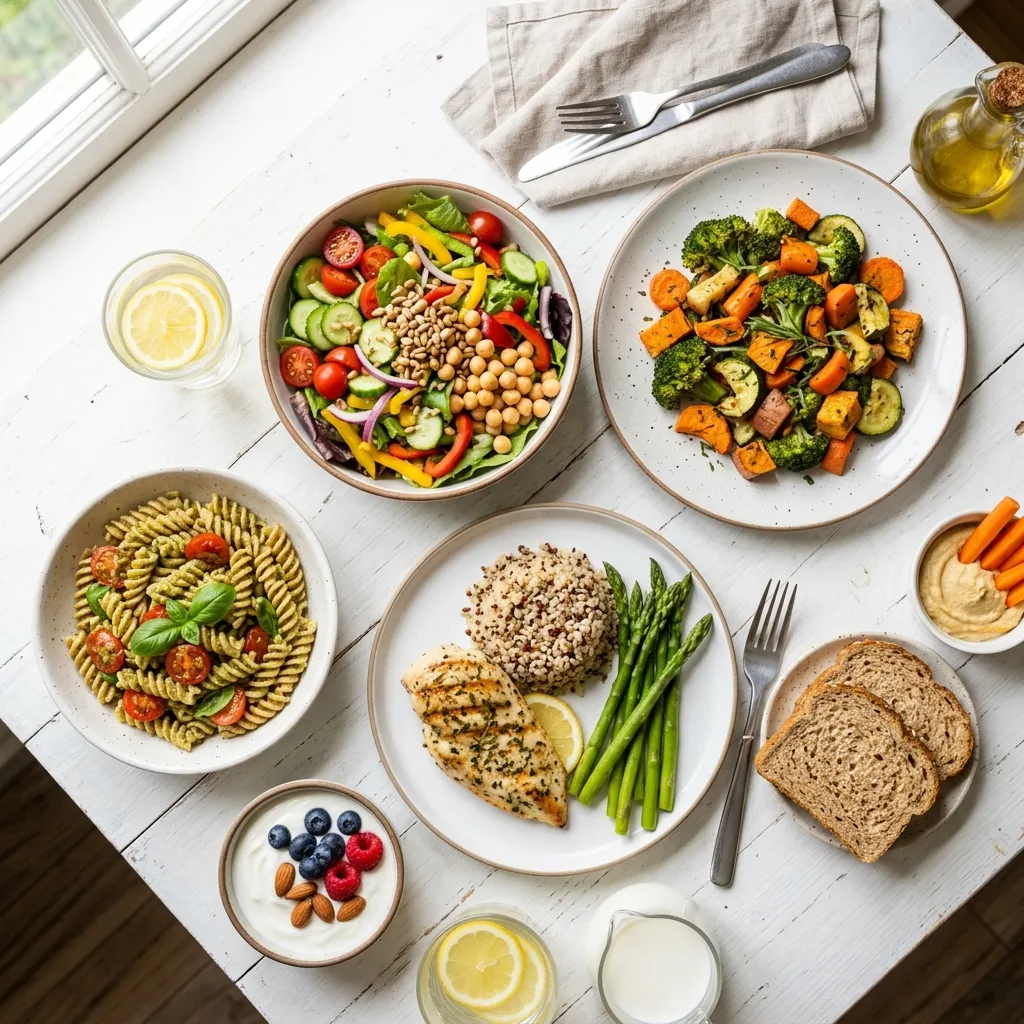
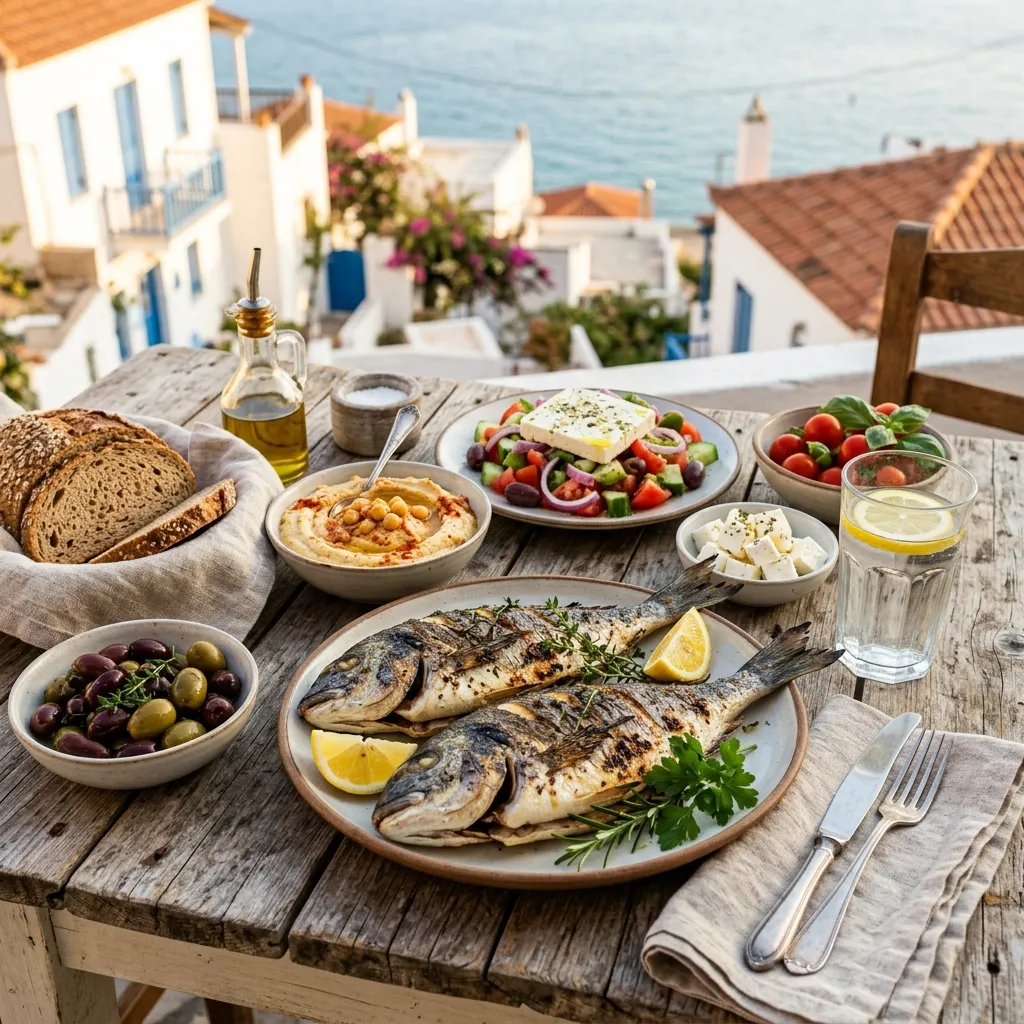
- High consumption of vegetables, fruits, whole grains, legumes, nuts, seeds, and olive oil
- Moderate consumption of fish, seafood, and poultry
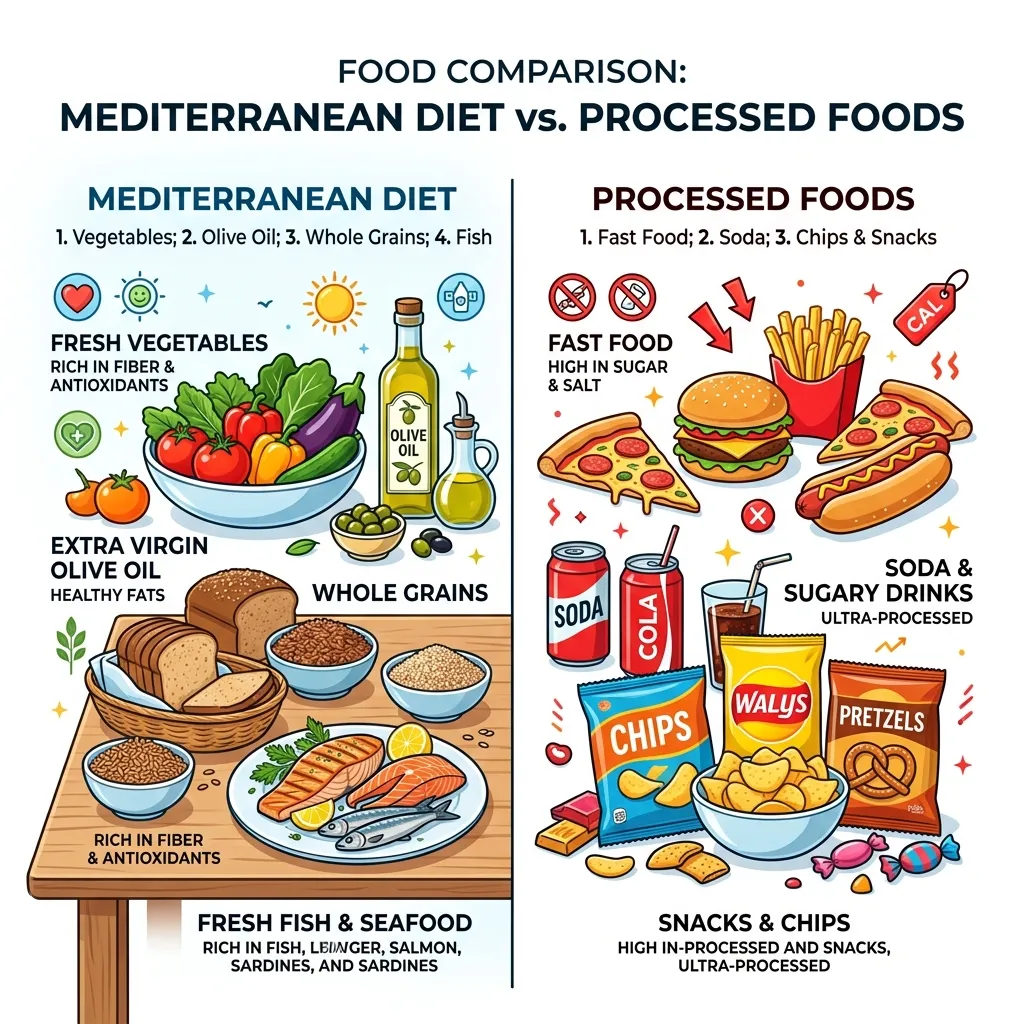
- Low consumption of red meat and processed foods
- Minimal added sugar and refined grains
- Moderate wine consumption (optional — typically with meals, and not medically recommended for those who don't drink)
The diet is as notable for what it doesn't include as for what it does: ultra-processed foods, fast food, and refined carbohydrates are largely absent from traditional Mediterranean eating.
Does the Mediterranean Diet Cause Weight Loss?
Yes — but with an important nuance: the Mediterranean diet supports weight loss primarily through food quality and satiety, not caloric restriction.
Several major trials confirm its weight-loss efficacy:
- The PREDIMED trial (7,447 participants, Spain) found Mediterranean diet participants had significantly lower rates of obesity than control groups over 5 years.
- A 2020 systematic review in Nutrients of 30 studies found the Mediterranean diet produced consistent, moderate weight loss (average 2–4 kg over 12 months) without explicit calorie counting.
- Compared to low-fat diets, the Mediterranean diet produces equal or superior weight loss outcomes, with better adherence rates due to its palatability.
The mechanism is largely satiety-driven: the high fiber from vegetables and legumes, combined with satisfying healthy fats from olive oil and nuts, naturally reduces caloric intake without hunger.
How Many Calories Should You Eat?
The Mediterranean diet is not traditionally a calorie-counting diet. However, for intentional weight loss, a modest caloric deficit is necessary. General guidelines:
- Women: 1,400–1,700 calories/day for a ~500 cal/day deficit
- Men: 1,800–2,200 calories/day for a ~500 cal/day deficit
- Target a rate of loss of 0.5–1 lb (0.25–0.5 kg) per week for sustainable fat loss
Within a Mediterranean framework, calorie management happens naturally through food choices. One study found Mediterranean diet followers consumed ~200–300 fewer calories per day than their usual diet without being told to reduce intake.
Sample Mediterranean Weight Loss Meal Plan
The following plan is structured around approximately 1,600 calories per day — suitable for moderate weight loss in most women and lighter-framed men.
| Day | Breakfast | Lunch | Dinner |
|---|---|---|---|
| Monday | Greek yogurt with walnuts and berries | Large Greek salad with grilled chicken and olive oil | Baked sea bass, roasted vegetables, small portion of whole grain bread |
| Tuesday | Whole grain toast with avocado and a poached egg | Lentil soup with fresh herbs and crusty whole grain bread | Grilled shrimp skewers, quinoa, cucumber tomato salad |
| Wednesday | Overnight oats with almonds, cinnamon, and apple | Hummus and veggie wrap in whole wheat flatbread | Pan-seared salmon with steamed broccoli and olive oil |
| Thursday | Smoothie with spinach, banana, low-fat yogurt, flaxseed | Tuna Nicoise salad with olive oil dressing, egg, green beans | Baked chicken thigh with roasted peppers and farro |
| Friday | Omelet with tomatoes, spinach, and feta (light) | White bean and vegetable minestrone | Grilled sardines with lemon, arugula salad, olives |
| Saturday | Fresh fruit platter with a small handful of mixed nuts | Quinoa bowl with roasted eggplant, chickpeas, and tahini | Chicken shawarma bowl with brown rice, cucumber, and tzatziki |
| Sunday | Whole grain toast with smoked salmon and capers | Stuffed portobello mushrooms with feta and herbs | Lamb meatballs with tomato sauce and whole grain pasta (small portion) |
Snacks: Olives (10–15), small handful of almonds, apple slices with almond butter, carrot sticks with hummus.
What Foods to Emphasize and Limit
Emphasize:
- Extra virgin olive oil (use as primary cooking fat)
- Vegetables at every meal
- Legumes 3–4 times per week (chickpeas, lentils, white beans)
- Fish and seafood 2–3 times per week
- Whole grains in controlled portions
- Fresh fruit as dessert
Limit:
- Red meat (maximum 2 servings/week)
- Processed and cured meats (salami, deli meat)
- Added sugars and pastries
- Refined grains (white bread, white pasta)
- Sugary beverages
- Commercially fried foods
How Long Until You See Results?
Most people following the Mediterranean diet for weight loss begin to see measurable changes within 4–8 weeks. The rate of loss tends to be gradual — around 0.5–1 lb per week — which is slower than very low-calorie diets or ketogenic approaches but tends to be more durable.
Research shows that the Mediterranean diet produces among the highest dietary adherence rates of any major diet, meaning that long-term success is more likely than with more restrictive protocols. A 2-year study published in the New England Journal of Medicine found Mediterranean diet participants maintained greater weight loss than low-fat diet participants at the 2-year mark.
The Mediterranean diet's value for weight loss is less about dramatic rapid results and more about building a sustainable eating pattern that keeps weight off for life — which, clinically, is the only form of weight management that matters.