The Paleo diet has been one of the most debated eating patterns of the past two decades. Proponents call it the original human diet. Critics call it oversimplified. The truth, as usual, lies somewhere in between — and the practical version of Paleo is more flexible and evidence-informed than the headlines suggest.
What Is the Paleo Diet?
The Paleo diet — short for Paleolithic diet — is modeled on the presumed eating habits of our hunter-gatherer ancestors from roughly 2.5 million to 10,000 years ago. The premise: human genetics evolved to thrive on whole, unprocessed foods that were available before the advent of agriculture. Foods introduced by farming (grains, legumes, dairy) are theorized to be at odds with our biology.
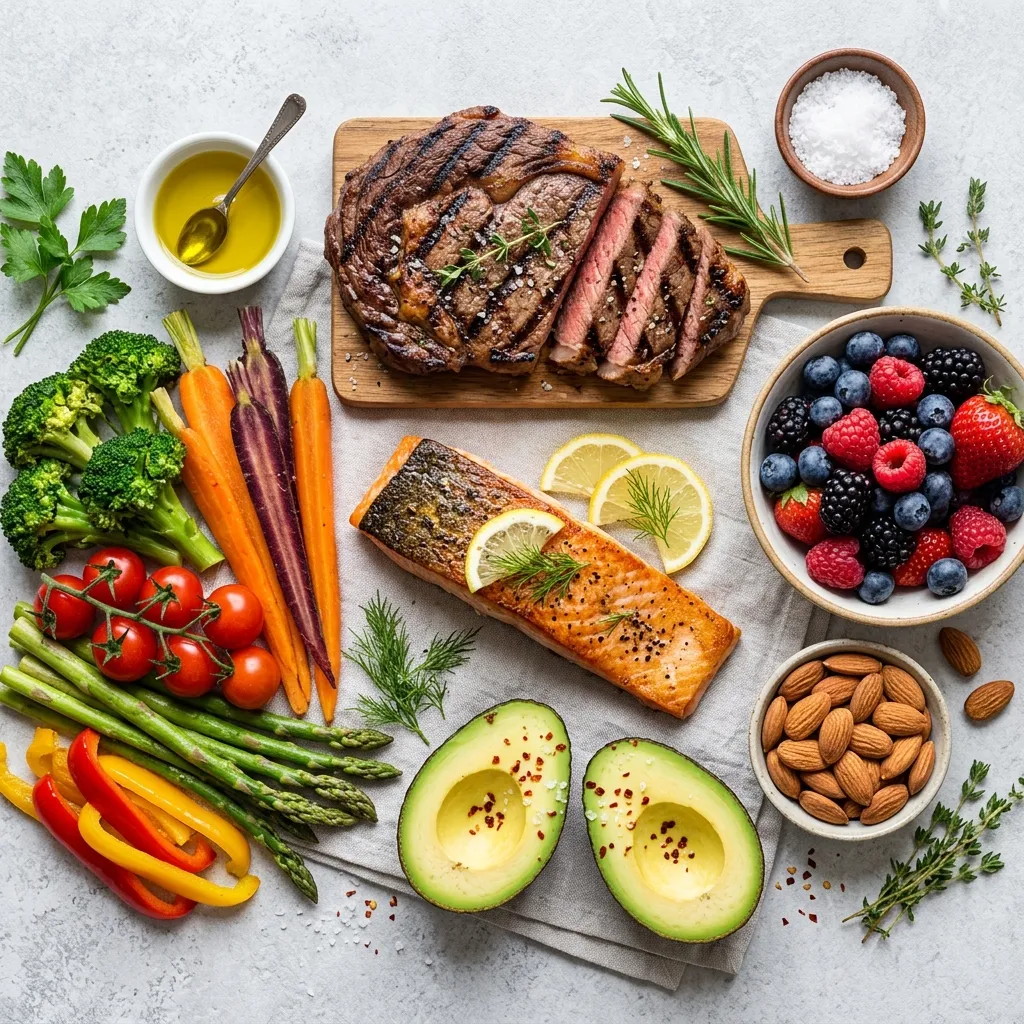
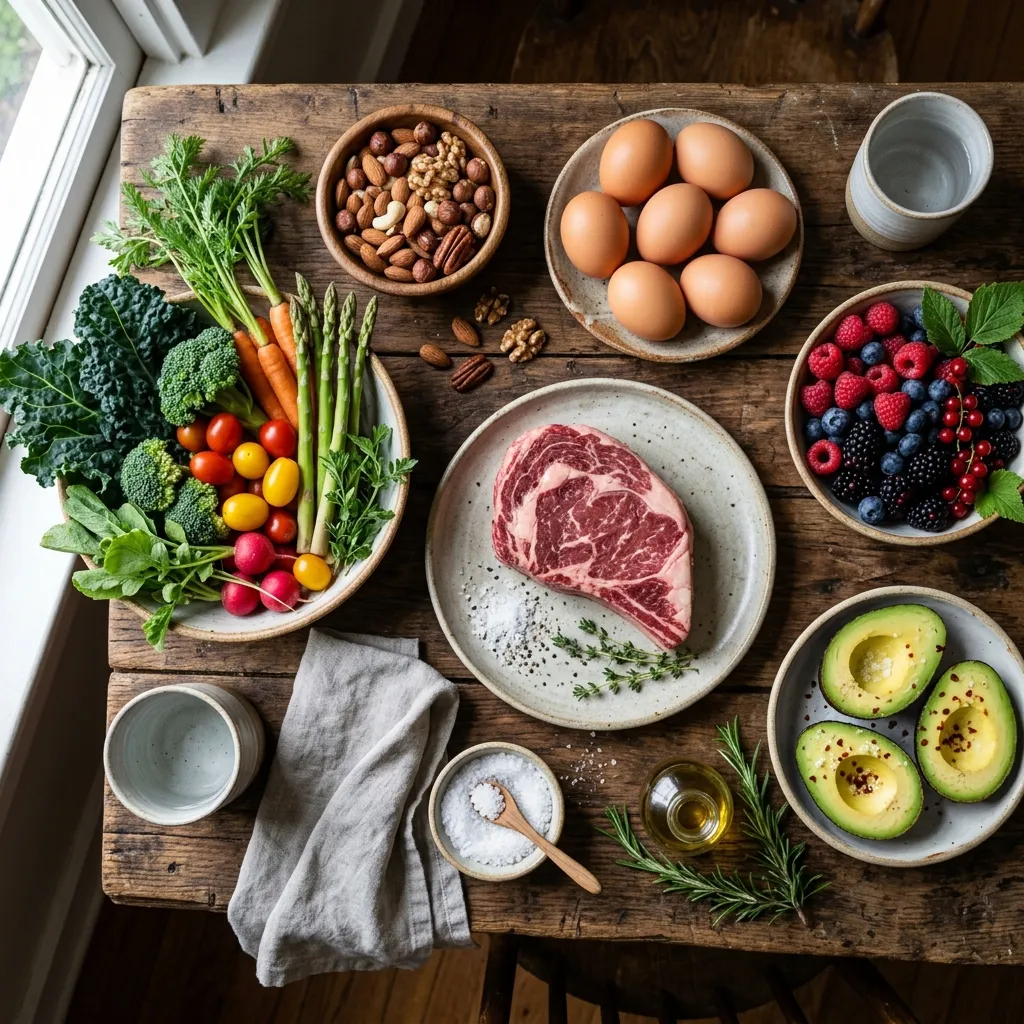
In modern practice, Paleo means prioritizing lean meats, fish, vegetables, fruits, nuts, and seeds while eliminating processed foods, refined sugars, grains, and dairy.
What Foods Are Allowed on Paleo?
The Paleo food list centers on anything a hunter-gatherer could have theoretically hunted or gathered:
Eat freely:
- Meats: Grass-fed beef, pork, lamb, venison, bison
- Poultry: Chicken, turkey, duck
- Seafood: Wild-caught salmon, sardines, shrimp, cod, tuna
- Eggs: Pasture-raised preferred
- Vegetables: All non-starchy vegetables — leafy greens, broccoli, peppers, carrots, onions, sweet potatoes
- Fruits: Berries, apples, citrus, bananas, melon (in moderation due to sugar content)
- Nuts & seeds: Almonds, walnuts, pecans, chia seeds, flaxseed (not peanuts — they're legumes)
- Healthy fats: Avocado, olive oil, coconut oil, avocado oil
Avoid:
- Grains (wheat, oats, rice, corn, barley)
- Legumes (beans, lentils, peanuts, soy)
- Dairy products
- Refined sugar and artificial sweeteners
- Processed and packaged foods
- Vegetable and seed oils (canola, sunflower, soybean)
What Are the Benefits of the Paleo Diet?
Research on the Paleo diet, while still developing, shows several potential benefits:
- Weight loss: Paleo is naturally high in protein and fiber, which are satiating. Multiple studies show significant short-term weight loss compared to standard dietary guidelines.
- Improved blood sugar control: Eliminating refined carbohydrates reduces blood sugar spikes. A 2015 study in Cardiovascular Diabetology found Paleo superior to diabetes dietary guidelines for blood glucose management.
- Reduced inflammation: The emphasis on omega-3-rich fish and the elimination of refined seed oils may reduce inflammatory markers.
- Better lipid profiles: Some studies report improved triglycerides and HDL ("good") cholesterol in Paleo followers.
- Gut health improvements: Removing processed food additives and focusing on whole foods can support a healthier gut microbiome.
It's worth noting that most studies are short-term and involve small sample sizes. Long-term outcomes beyond 2 years are not yet well-established.
Who Should Avoid the Paleo Diet?
While Paleo suits many people, it may not be ideal for everyone:
- Athletes with high carbohydrate needs: Endurance athletes in particular rely heavily on glycogen from grains. Strict Paleo may impair performance without strategic carbohydrate timing.
- People with certain medical conditions: Those with kidney disease may need to moderate high-protein intake. Always consult a physician.
- Budget-conscious individuals: Grass-fed meat and wild-caught fish are significantly more expensive than conventional alternatives.
- Long-term vegans or vegetarians: Paleo is heavily animal-protein-centric and difficult to adapt to plant-based preferences.
Paleo Diet Food List
| Category | Yes | No |
|---|---|---|
| Protein | Beef, chicken, fish, eggs | Beans, soy, peanuts, lentils |
| Vegetables | All non-starchy vegetables, sweet potatoes | Corn, white potatoes (debated) |
| Fruit | All fruits | Dried fruit in excess |
| Fats | Olive oil, avocado, coconut oil | Vegetable oils, margarine |
| Grains | None | Wheat, rice, oats, barley |
| Dairy | None (some allow grass-fed butter) | Milk, cheese, yogurt |
| Sweeteners | Raw honey, maple syrup (sparingly) | Refined sugar, artificial sweeteners |
Sample Paleo Meal Plan
Day 1:
- Breakfast: Scrambled eggs with spinach and avocado, black coffee
- Lunch: Grilled chicken salad with olive oil, lemon, and mixed greens
- Dinner: Baked salmon with roasted sweet potato and steamed asparagus
- Snack: Apple with almond butter
Day 2:
- Breakfast: Banana pancakes (eggs + banana only), blueberries
- Lunch: Turkey lettuce wraps with sliced vegetables and guacamole
- Dinner: Grass-fed beef stir-fry with zucchini noodles and bell peppers
- Snack: Handful of mixed nuts and fresh berries
Paleo vs Keto: What's the Difference?
Both diets eliminate grains, legumes, and processed foods — but their core philosophies diverge:
| Feature | Paleo | Keto |
|---|---|---|
| Primary goal | Ancestral, whole-food eating | Nutritional ketosis |
| Carbohydrates | Moderate (from fruit, sweet potatoes) | Very low (20–50g/day) |
| Dairy | Excluded (usually) | Included (butter, cheese) |
| Legumes | Excluded | Excluded |
| Fat emphasis | Moderate (quality over quantity) | Very high |
| Flexibility | More flexible | Stricter macro tracking needed |
In short, Paleo is a food-quality framework while Keto is a metabolic strategy. Many people combine elements of both — sometimes called the "Ketogenic Paleo" approach — to maximize both food quality and metabolic benefits.
The Paleo diet isn't about perfectly replicating Paleolithic life. It's a practical framework for eating whole, nutrient-dense foods while minimizing the ultra-processed products that dominate modern diets. For many people, that shift alone — regardless of the evolutionary rationale — produces meaningful health improvements.