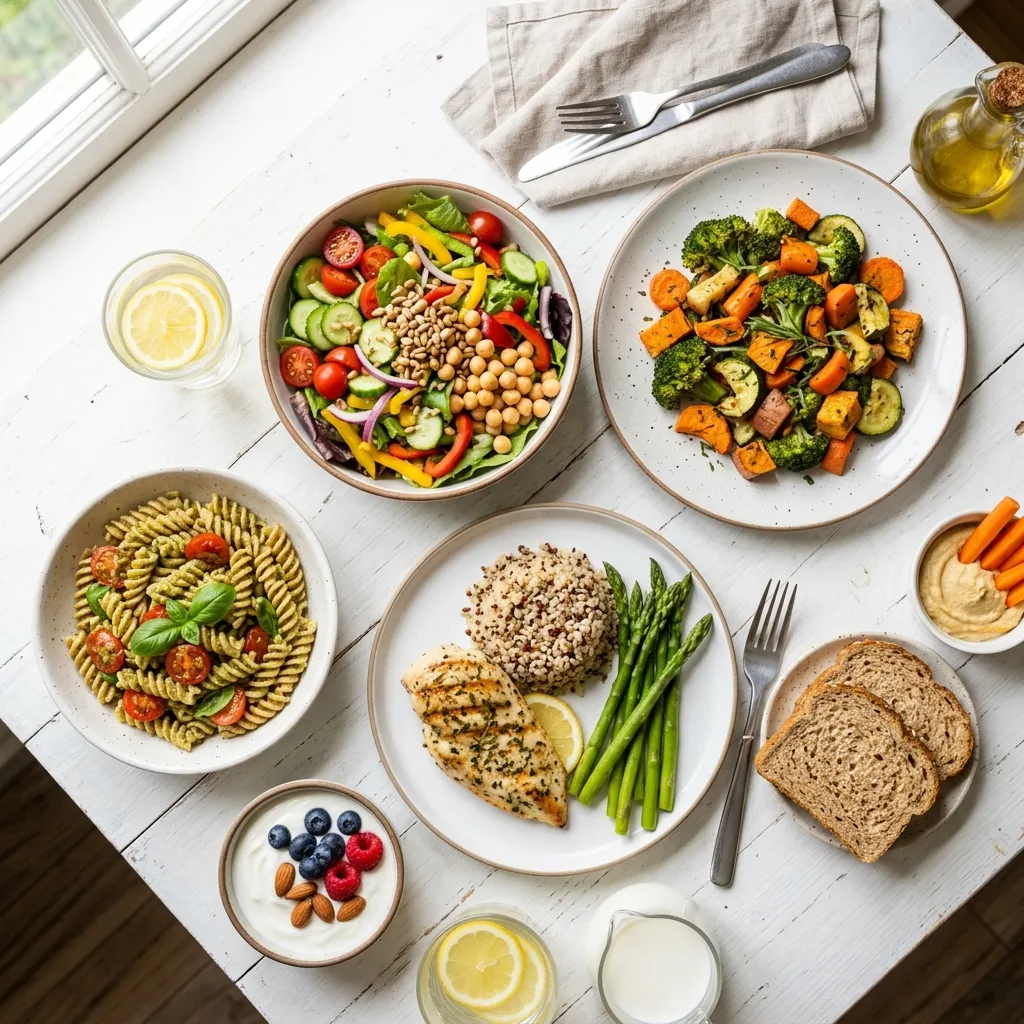
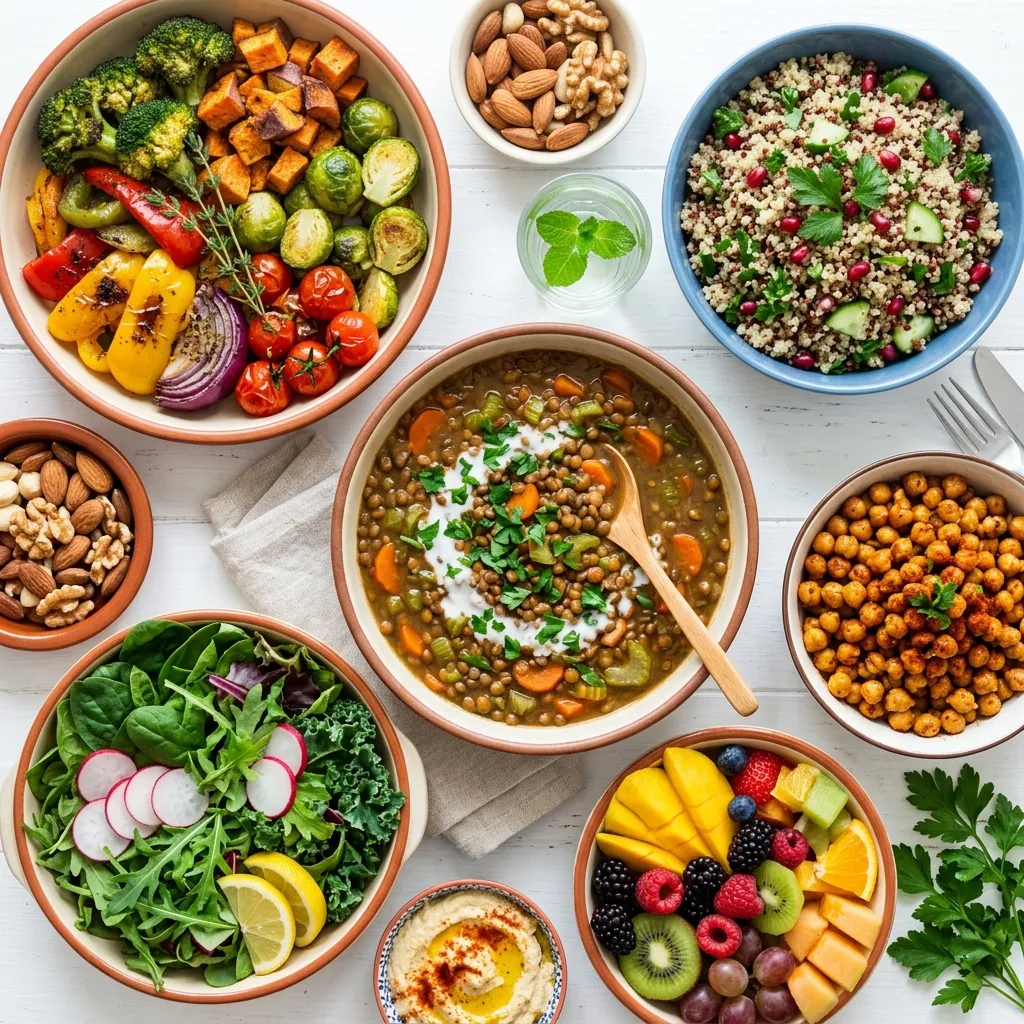
Interest in plant-based eating has surged dramatically over the past decade — driven by research on chronic disease prevention, growing environmental awareness, and the sheer variety of delicious plant-based foods now accessible to home cooks. But "plant-based" has become a catch-all term that often causes confusion. Understanding the specific framework of a whole food plant-based (WFPB) diet is key to getting the most out of it.
What Is a Whole Food Plant-Based Diet?
A whole food plant-based diet is a dietary pattern centered on unprocessed or minimally processed plant foods in their natural form. The two defining characteristics are:
- Plant-based: The vast majority of food comes from plants — vegetables, fruits, whole grains, legumes, nuts, and seeds.
- Whole food: Foods are eaten as close to their natural state as possible. This excludes refined flour, processed oils, added sugars, and highly engineered plant-based "junk foods" like vegan cheese or meat alternatives.
The WFPB diet is not defined by what it excludes (as a vegan diet is) but by what it emphasizes: nutrient density, fiber, and minimal processing.
How Is It Different From Vegan?
Many people conflate WFPB with veganism, but they are meaningfully distinct:
| Feature | Whole Food Plant-Based | Vegan |
|---|---|---|
| Animal products | Avoided or minimized | Strictly excluded |
| Processed foods | Minimized | No restriction |
| Added oils | Minimized or excluded | Allowed |
| Motivation | Primarily health | Often ethics/environment |
| Refined flour and sugar | Minimized | Allowed |
| Flexibility | Can include small amounts of animal foods | Strict by definition |
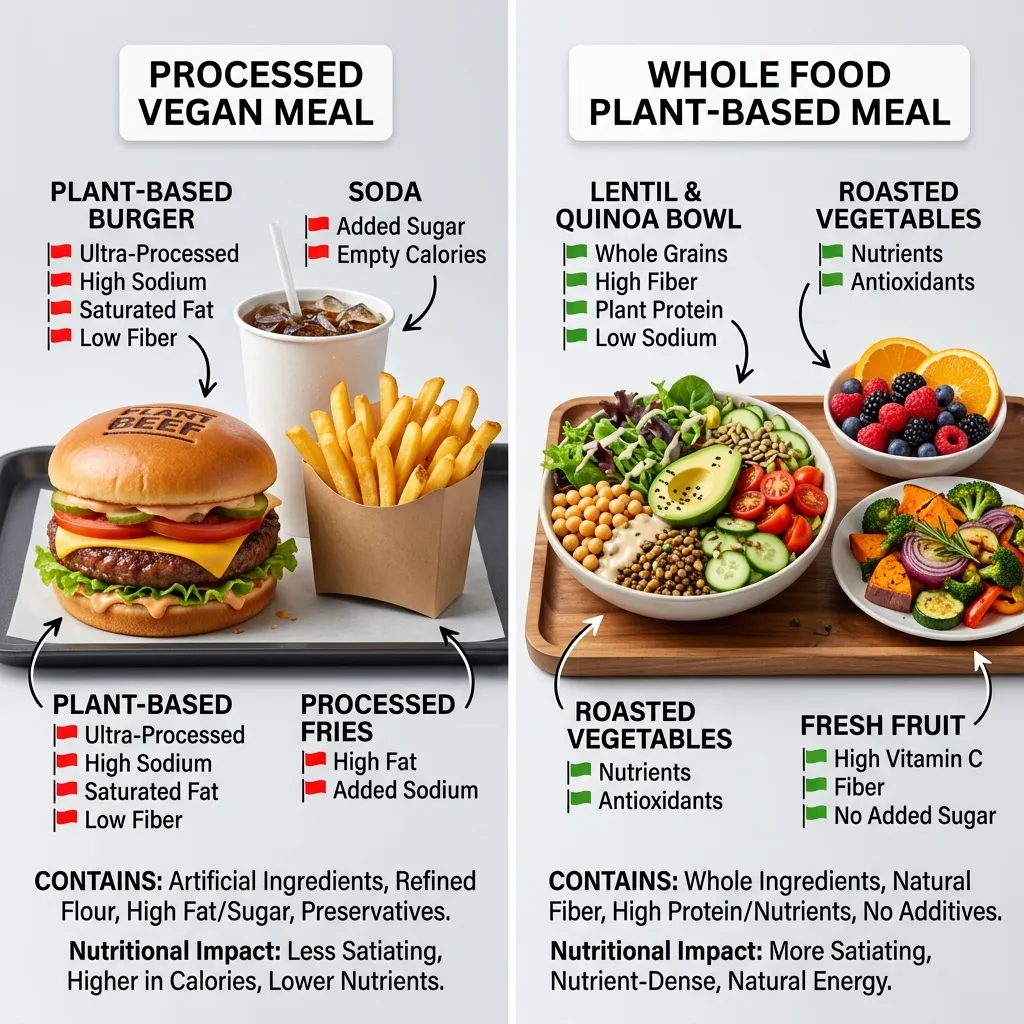
A vegan who lives on french fries, Oreos, and plant-based burgers is technically vegan but not whole food plant-based. Conversely, some WFPB practitioners include small amounts of fish, eggs, or dairy — especially if they follow a flexible "plant-predominant" approach.
What Can You Eat on This Diet?
Freely include:
- Vegetables: All varieties — leafy greens, cruciferous vegetables, root vegetables, alliums
- Legumes: Lentils, chickpeas, black beans, kidney beans, edamame, peas
- Whole grains: Brown rice, oats, quinoa, barley, farro, whole wheat (minimally processed)
- Fruits: All whole fruits — berries, citrus, apples, bananas, mangoes
- Nuts and seeds: Walnuts, almonds, flaxseed, chia seeds, hemp seeds (portion-aware)
- Starchy vegetables: Potatoes, sweet potatoes, corn, winter squash
Minimize or avoid:
- Refined grains (white bread, white rice, white pasta)
- Added oils and refined fats
- Added sugars (including natural sweeteners in excess)
- Highly processed plant foods
- Animal products (or minimized significantly)
What Are the Health Benefits?
The scientific evidence supporting WFPB eating is robust:
- Cardiovascular disease: Large-scale studies show WFPB diets reduce the risk of heart disease by up to 40% compared to omnivorous diets high in processed foods.
- Type 2 diabetes prevention and reversal: High fiber intake improves insulin sensitivity. Several clinical trials have shown WFPB diets to significantly improve glycemic control, even reversing early-stage diabetes in some cases.
- Weight management: WFPB diets are naturally low in calorie density and high in satiety-promoting fiber, supporting effortless weight management without calorie counting.
- Cancer risk reduction: The World Cancer Research Fund links high plant food intake to reduced risk of colorectal, breast, and prostate cancers.
- Longevity: Blue Zone research consistently finds that the longest-lived populations eat predominantly plant-based, whole food diets.
- Gut microbiome diversity: High fiber intake nourishes beneficial gut bacteria, supporting immune function, mood, and metabolic health.
Sample Meal Plan for Beginners
Day 1:
- Breakfast: Overnight oats with chia seeds, banana, and berries
- Lunch: Large lentil and vegetable soup with whole grain bread
- Dinner: Chickpea and vegetable curry over brown rice
- Snack: Apple with almond butter (1 tbsp)
Day 2:
- Breakfast: Green smoothie (spinach, frozen banana, oat milk, flaxseed)
- Lunch: Quinoa bowl with roasted sweet potato, black beans, and tahini dressing
- Dinner: Stuffed bell peppers with brown rice, black beans, and tomato sauce
- Snack: Carrot sticks and hummus
Day 3:
- Breakfast: Avocado toast on whole grain bread with sliced tomato
- Lunch: Lentil and kale salad with lemon-olive oil dressing
- Dinner: Bean tacos with corn tortillas, salsa, and shredded cabbage
- Snack: Mixed berries with a handful of walnuts
Common Nutrient Gaps to Watch For
A well-planned WFPB diet meets virtually all nutrient needs, but a few require attention:
| Nutrient | Why It Matters | Best WFPB Sources |
|---|---|---|
| Vitamin B12 | Not found in plants; critical for neurological function | Requires supplementation |
| Vitamin D | Limited in all dietary sources | Sunlight + supplementation |
| Omega-3 fatty acids | EPA/DHA less bioavailable from plants | Ground flaxseed, chia, walnuts; algae-based supplement for DHA |
| Iron | Plant iron (non-heme) is less absorbable | Lentils, tofu, pumpkin seeds; pair with vitamin C |
| Calcium | No dairy source | Fortified plant milks, kale, broccoli, bok choy |
| Zinc | Lower bioavailability from plants | Legumes, pumpkin seeds, oats |
| Iodine | Often from dairy in omnivores | Use iodized salt or a supplement |
Vitamin B12 supplementation is non-negotiable for anyone eating a strictly plant-based diet. All other nutrients can be met through thoughtful food choices and, where needed, targeted supplementation.
Transitioning to a whole food plant-based diet doesn't have to happen overnight. Starting with one plant-based meal per day, then expanding from there, is a sustainable strategy that allows your palate, microbiome, and meal-planning skills to adapt gradually.